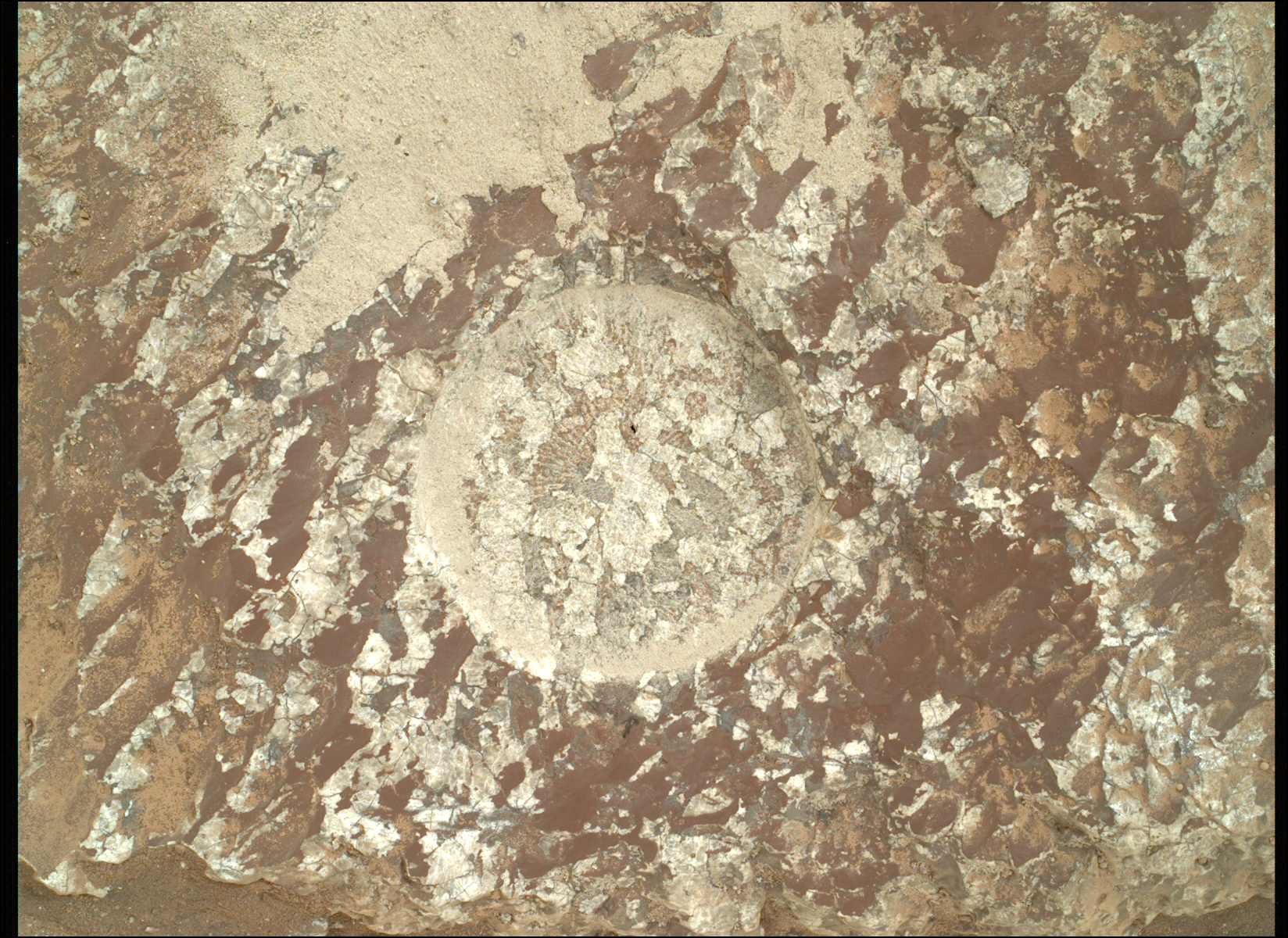
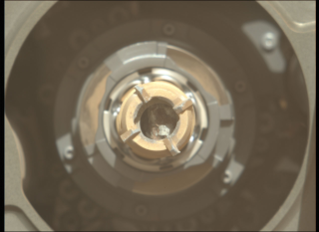
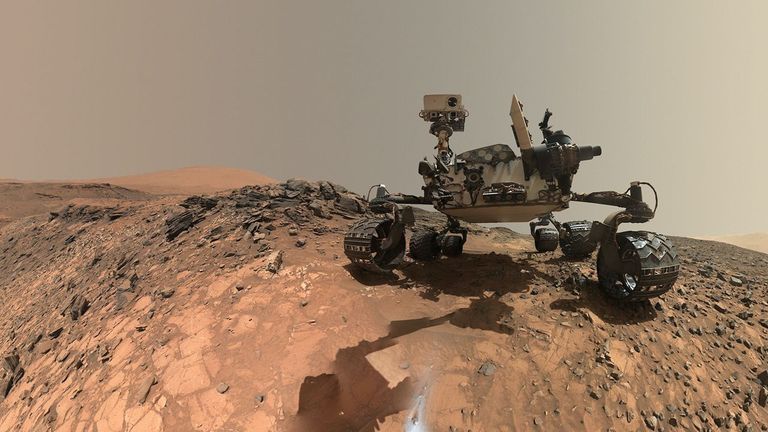
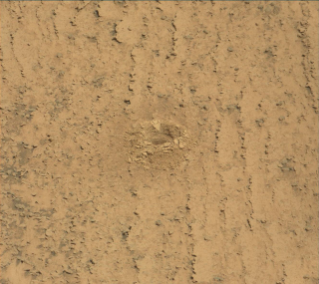
NASA’s Mars Perseverance rover acquired this image of the rock sample “Singita” inside the rover’s coring bit using its left Mastcam-Z camera. The image was acquired on Oct. 24, 2026 (Sol 2018), at a local mean solar time of 12:56:57, shortly after the coring operation.
NASA/JPL-Caltech/ASU
Written by Tasha Coelho, Mastcam-Z Student Collaborator at Arizona State University
Nov. 1, 2026
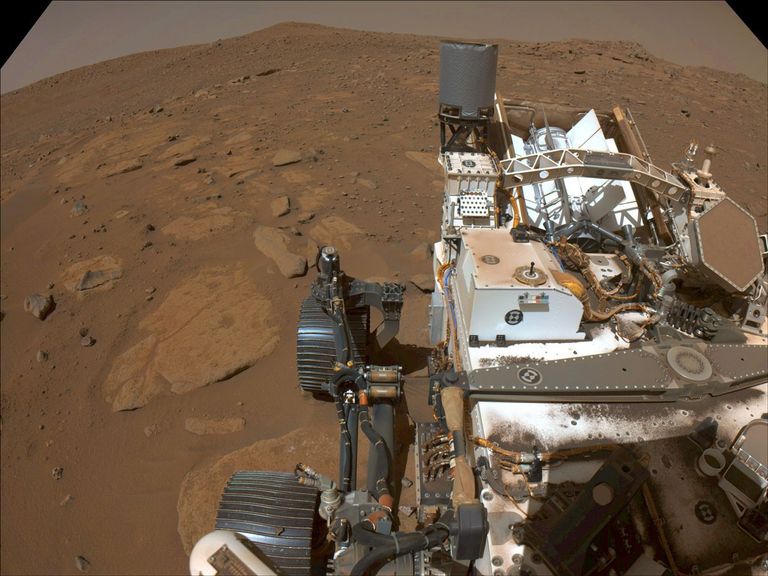
Perseverance’s most recent abrasion “Pumbe” bears a striking resemblance to an earlier abrasion, “Badger Peak.” That’s no coincidence. As previously reported, that rock had a hardness too high to core. However, the team felt strongly that it was worth the effort to add a gabbro, an igneous rock made mostly of calcium-rich plagioclase feldspar and pyroxene crystals, to Perseverance’s sample collection. In search of a new local gabbroic candidate to sample, Perseverance traveled about 100 meters (330 feet) to a different patch of light-toned rocks. Indeed, visual and chemical data from the light-toned rocks in the new workspace revealed a composition similar to that of “Badger Peak.”
NASA’s Mars Perseverance rover acquired this image of the abrasion patch “Pumbe” using its SHERLOC WATSON camera, located on the turret at the end of the rover’s robotic arm. The image was acquired on Oct. 17, 2026 (Sol 2011), at a local mean solar time of 16:14:35. The abrasion patch is about 5 centimeters (2 inches) across.
NASA/JPL-Caltech
To improve the odds of collecting a sample this time, the team made prudent decisions: choosing a neighboring rock with a flatter surface better oriented for the drill stabilizers to press against, and using a coring bit with less wear. At last, in a display of the rover’s namesake quality, the drill made it about 3.1 centimeters (1.2 inches) into the rock. Sample acquisition activities followed, making “Singita” the rover’s first sample in more than a year. While Singita is the newest sample, it may be among the oldest rocks in Perseverance’s collection. Textures in the rock suggest that it likely formed deep in the crust and was modified and excavated by at least one, and possibly multiple, large impact events.
Perseverance has now completed its 66th successful abrasion and collected an intriguing new sample alongside it. The latest mission status report opens with “Perseverance remains healthy and stable on Mars” and lists “Spacecraft Status: Nominal.” Translation: the rover remains capable of continued fruitful exploration, with many more abrasions to come.
Want to read more posts from the Perseverance team?
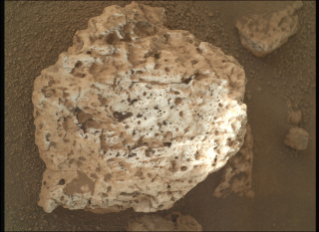
This heavily pitted, light-toned float rock “Nhlanguleni” was imaged by SHERLOC’s WATSON camera on Sol 2023, October 29, 2026, at “Kapama Karula” in the “South Idubi” region.
NASA/JPL-Caltech
Written by Roger C. Wiens, SuperCam Principal Investigator for NASA’s Perseverance rover at Purdue University
Nov. 4, 2026
Exploration on Mars turns up the unexpected. Perseverance is equipped with a fantastic set of instruments for studying the rock record of this ancient planet. Both PIXL and SuperCam have great capabilities for detecting all kinds of elements. SHERLOC, SuperCam, and PIXL can detect minerals using various techniques including x-ray fluorescence, Raman, and infrared spectroscopies. As a side benefit of the way SuperCam performs its Raman spectroscopy, it can also study time-resolved luminescence. Normally luminescence occurs over a broad wavelength range (most of Earth’s commercial lighting uses luminescence in some way or another). Two years ago, the SuperCam team was startled to find strong, narrow luminescence peaks at two wavelengths of 692.7 and 694.1 nanometers when they shot a light-colored rock with the laser. This luminescence comes from delayed atomic transitions in chromium atoms present in a corundum mineral structure. SuperCam can time the delay of the atomic transitions via the resulting photons, and so we could verify that this emission came from chromium in corundum. The results were published in Geophysical Research Letters by a team led by Ann Ollila earlier this year, so you can read all about it. The gemstone version of chromium-containing corundum is ruby. Prior to installing SuperCam on Perseverance, we placed a ruby in the laser beam and watched the entire room pulse a brilliant red as SuperCam’s laser beam hit the gemstone; it was extremely bright.
While we haven’t found collectable rubies on Mars yet, the little corundum crystals are helping us learn more about Mars’ past. Corundum is a metamorphic and pegmatitic mineral which we would not expect to find on Mars, a planet that lacks plate tectonics. However, large meteor and asteroid impacts can create local metamorphism due to long-term heating from the impact. Because we are in a very ancient terrain near the rim of Jezero crater, we can expect some evidence of localized metamorphism. As the first mission in such terrain, we are learning new things. Earlier in the mission we tried this technique only rarely; lately we have carried out the time-resolved luminescence observations frequently on light-toned rocks to look for more evidence of impact effects. It’s great to have this unexpected tool on board as we delve further into Mars’ deep past.
Want to read more posts from the Perseverance team?
This image of the Nazca drill hole was taken by Mast Camera (Mastcam) onboard NASA’s Mars rover Curiosity on Sol 5050 (2026-10-20 23:56:20 UTC).
NASA/JPL-Caltech/MSSS
Written by Susanne P. Schwenzer, Professor of Planetary Mineralogy at The Open University, UK
Earth planning date: Friday, Oct. 23, 2026
As regular readers of this blog will know, we returned to the area where we found disc shaped inclusions in the rocks, which we interpreted as potential crystals. If they are indeed crystals, and we compare them to Earth, they could be very interesting indicators of the environmental conditions. Hence, the excitement in the team is high that we found a good block to drill. Good means first and foremost that it contains abundant potential crystals, but of course there is more before we drill. We passed the rover’s stability test, as all wheels have to be on solid ground before we extend the arm. Then we passed the preload test, which tests the stability of the rock and the forces the arm experiences when the drill bit presses into the rock.
With all those tests passed, we successfully drilled our 49th drill hole, called “Nazca.”
The drill campaign comes with many investigations before and after the drilling itself. Before the drill, we investigated the block with APXS, MAHLI and ChemCam – all on the target Nazca. After drilling, the sample was dropped off to CheMin, with the results still making their way from Mars to Earth. They are eagerly anticipated to reach us over the coming weekend. ChemCam obtained both passive spectral and active LIBS of the tailings and a LIBS measurement down the drill hole wall.
Other ChemCam activities this week included a LIBS investigation of “Palpala,” which is a dark pebble. We are on the lookout for those pebbles for a while and find that not all of them have the same composition. To make sure we understand their origin, we are measuring them when there are some in reach that are big enough. If a pebble is too small, it can move when it is being hit by the laser. Hence, we need to look out for some that are big enough.
Another such pebble was the target “Puna” identified in Friday’s planning. ChemCam LIBS on the target “Llama” is to get another depth profile to check whether our observations in the first such depth profile are consistently observed or whether they vary between locations.
The target “Pacaya” is another measurement of the disc shaped forms that drew us back to this region. In addition to the LIBS measurements, ChemCam has several long distance RMIs in the plan. They are all focused on the two buttes that have drawn a long-standing interest of the team for the various sedimentary structures and textures they reveal: Mishe Mokwa and Cordillera.
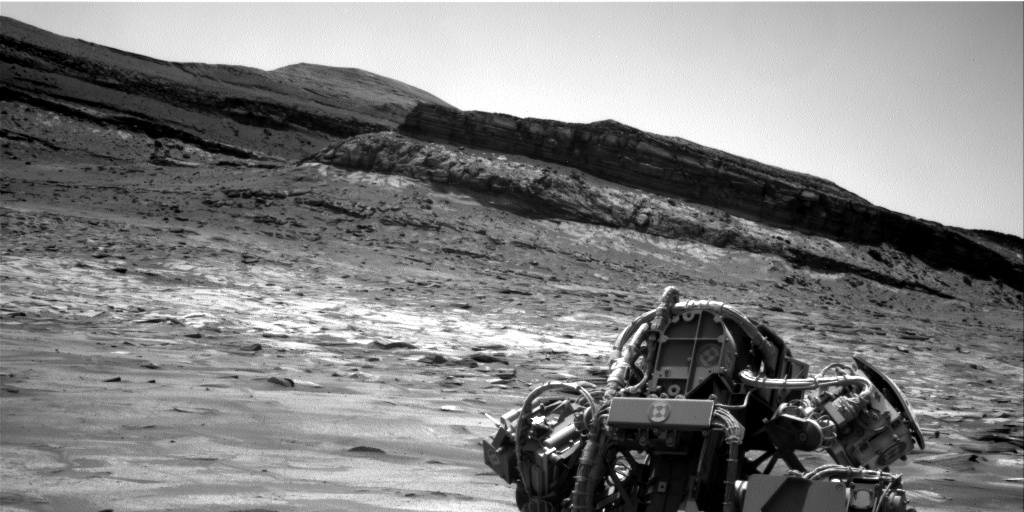
This image was taken by Right Navigation Camera onboard NASA’s Mars rover Curiosity on Sol 5062 (2026-11-02 05:40:15 UTC).
NASA/JPL-Caltech/MSSS
By Remington Free, Operations Systems Engineer, NASA-JPL
Earth planning date: Friday, Oct. 30, 2026
Today’s plan covered 3 sols, 5060, 5061, and 5062, as we take a few recharging sols before getting back to our normal drilling activities. As you may know if you have been following the blog closely, we are in the middle of a drilling campaign on our target called “Nazca.” We’ve already drilled the hole, characterized the tailings from the drill hole with ChemCam, and have now done several sample dropoffs, both to our SAM and CheMin instruments within the belly of the rover. We still have a number of activities left to do as part of the campaign, including another dropoff to SAM for a different kind of analysis, and drilling cleanup activities. One of those activities is called “RAGE” (Rotate to Agitate for Granule Expulsion, a very fun acronym) where we essentially shake the drill to get any remaining sample out of it. We’ll also make sure to take lots of imaging to continue document the drill hole and tailings.
In any case, those activities are very power-hungry for our rover! So today’s plan purposefully did not have a lot of activities in it so we could get a nice few power positive sols before we get back to drilling. Each of our three sols had a standard morning science block, with an extra exciting brand-new activity on 5061 (more on that shortly!).
Over the three sols, we conducted remote science with ChemCam active and Remote Micro-Imager mosaics on some interesting targets (“Titicaca,” “Pampas,” and “Salta”), some Mastcam imaging of our calibration target and our drill target, several Navcam dust devil studies and Mastcam tau observations, and twilight imaging. Despite this plan being recharging/waiting, we got in lots of exciting science to continue to study the Nazca crystal formations and the nearby layered rocks and bedrock.
On 5061, we also conducted a brand-new engineering activity to test parallelism over one of our downlink communications windows. As the rover gets older and our power output slowly decreases over the length of the mission, we are continuously looking for new ways to execute activities with less power use. One of our strategies is parallelism – having two activities execute at the same time will save power due to the rover being awake for less time. However, we need to vet pairs of activities ahead of time to ensure they are safe to run together. This is a test of one of those pairs – running our CheMin “Get Data” activity at the same time as we are sending data to one of our orbiters. CheMin Get Data is a high CPU activity which transfers science data from the instrument to our flight computers. The test seems to have gone well, but we’ll have to wait to hear back from our engineering team to analyze the results!
Overall, it was an exciting plan full of great remote science as we wait to be able to wrap up our drill campaign. Stay tuned to hear more about how the rest of the Nazca campaign went!
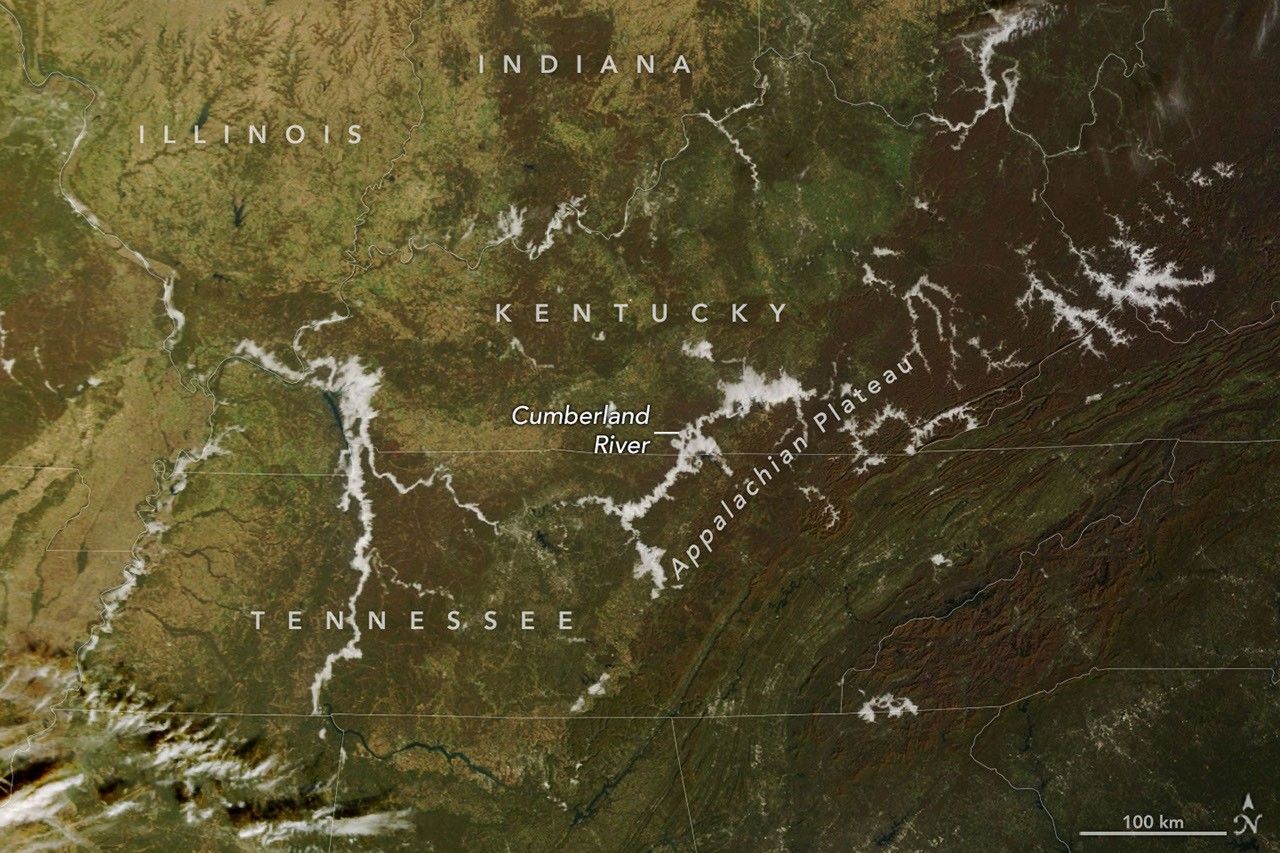
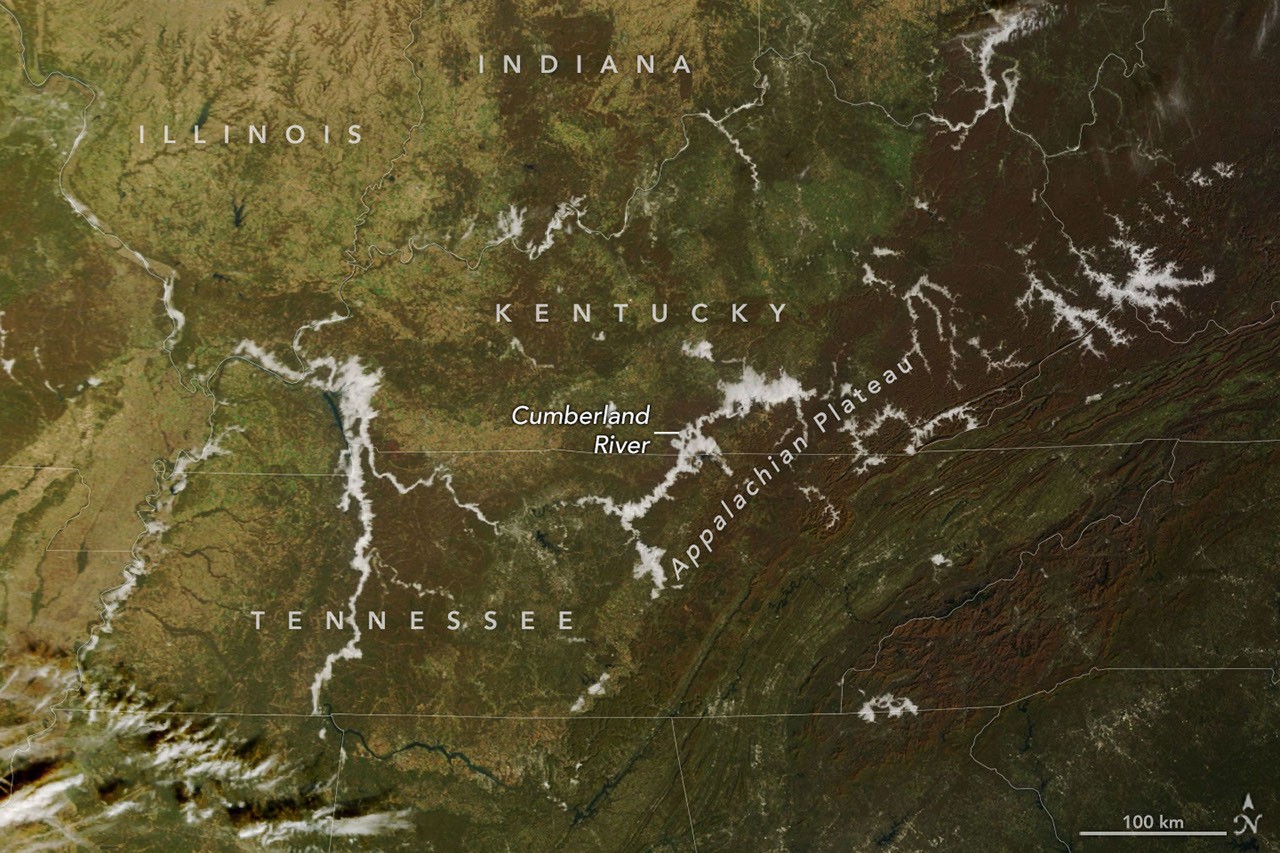
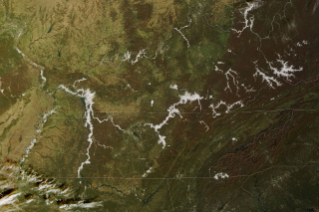
A natural-color satellite image from the morning shows white fog filling a branching network of river valleys, surrounded by brown and green terrain.
NASA Earth Observatory / Lauren Dauphin
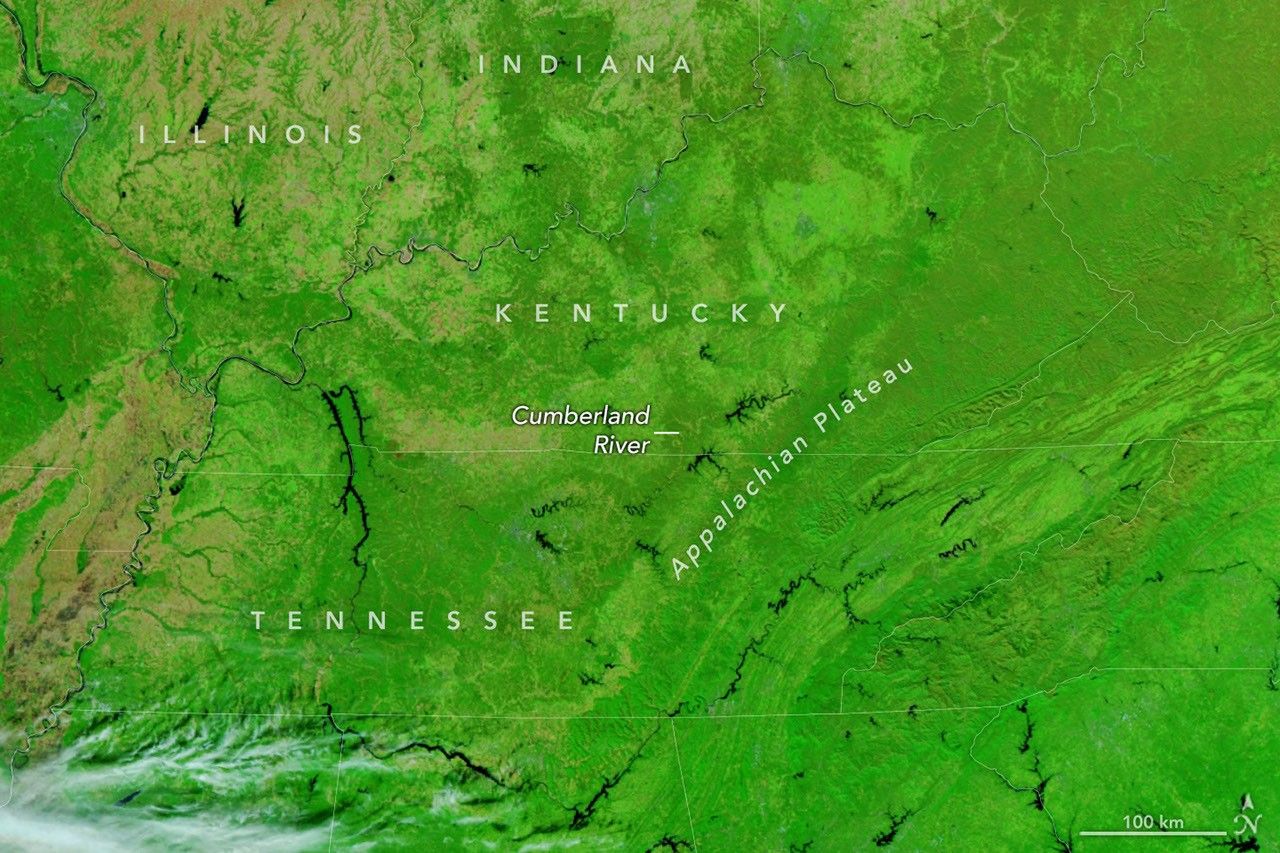
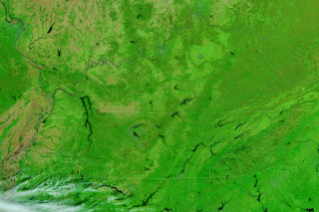
A false-color satellite image from the afternoon shows the same area clear of fog, with rivers and lakes in dark blue winding through bright green vegetation.
NASA Earth Observatory / Lauren Dauphin
morning
afternoon
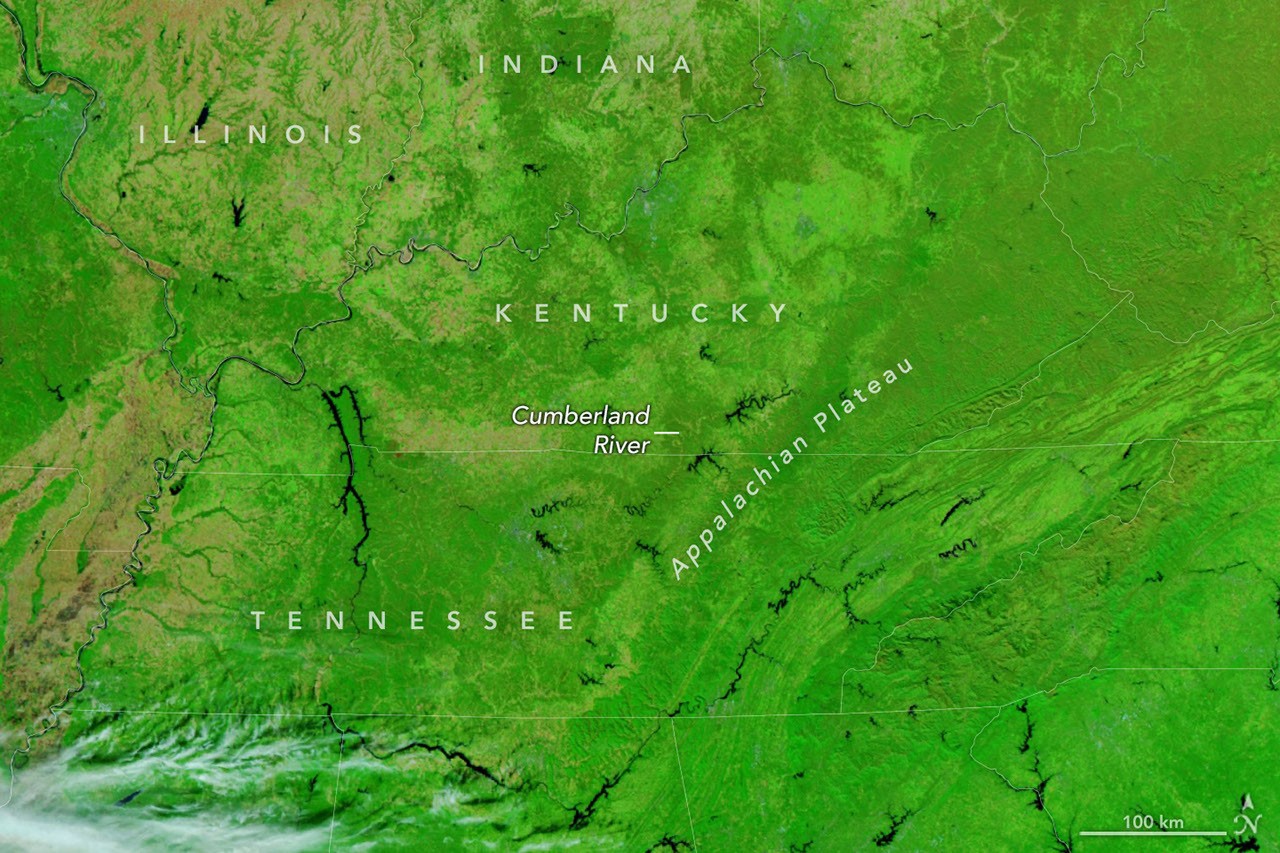
On November 8, 2026, low clouds traced the branching valleys of the Appalachian Plateau and the Cumberland River in the morning (left, natural color) then burned off by afternoon (right, false color). The images were acquired with the MODIS (Moderate Resolution Imaging Spectroradiometer) on NASA’s Terra satellite and the VIIRS (Visible Infrared Imaging Radiometer Suite) on NOAA-21, respectively. NASA Earth Observatory images by Lauren Dauphin.
On a cool November morning, low clouds traced the branching valleys of the Appalachian Plateau and the Cumberland River. By afternoon, they had faded, leaving clear skies over the autumn landscape.
The change is visible in this pair of images from November 8, 2026. The MODIS (Moderate Resolution Imaging Spectroradiometer) on NASA’s Terra satellite acquired the left image that morning. In this natural-color view, low clouds appear white as they fill many of the valleys. Autumn vegetation appears in shades of brown and green.
The VIIRS (Visible Infrared Imaging Radiometer Suite) on NOAA-21 acquired the right image that afternoon, after the clouds had dissipated and exposed the rivers and lakes beneath them. This false-color view makes it easier to distinguish water (dark blue) from vegetation (bright green).
The clouds appear to be fog, a type of cloud that forms near the ground. Foggy mornings in the region are common this time of year. As nights lengthen, the ground has more time to radiate away the day’s heat, and the air just above it cools to the dew point—the temperature at which air becomes saturated and water vapor begins condensing into the tiny droplets that make up fog.
Because cold air is denser than warm air, it flows downslope and pools in valleys, so fog tends to form there first. Notice the fog filling the branching valleys across part of the Appalachian Plateau in eastern Kentucky and southwestern West Virginia. Rivers and streams that run along many of the valley floors add to the effect by supplying extra moisture. The same pattern is visible along the Cumberland River and its reservoirs in north-central Tennessee and south-central Kentucky.
According to the National Weather Service, temperatures in many places on the morning of November 8 dipped into the 30s Fahrenheit before giving way to a mild, sunny afternoon. Forecasters reported locally dense valley fog that morning. Dense fog had also blanketed a wider part of the region earlier in the week, prompting advisories for hazardous travel conditions.
Discover the cosmos! Each day a different image or photograph of our fascinating universe is featured, along with a brief explanation written by a professional astronomer.
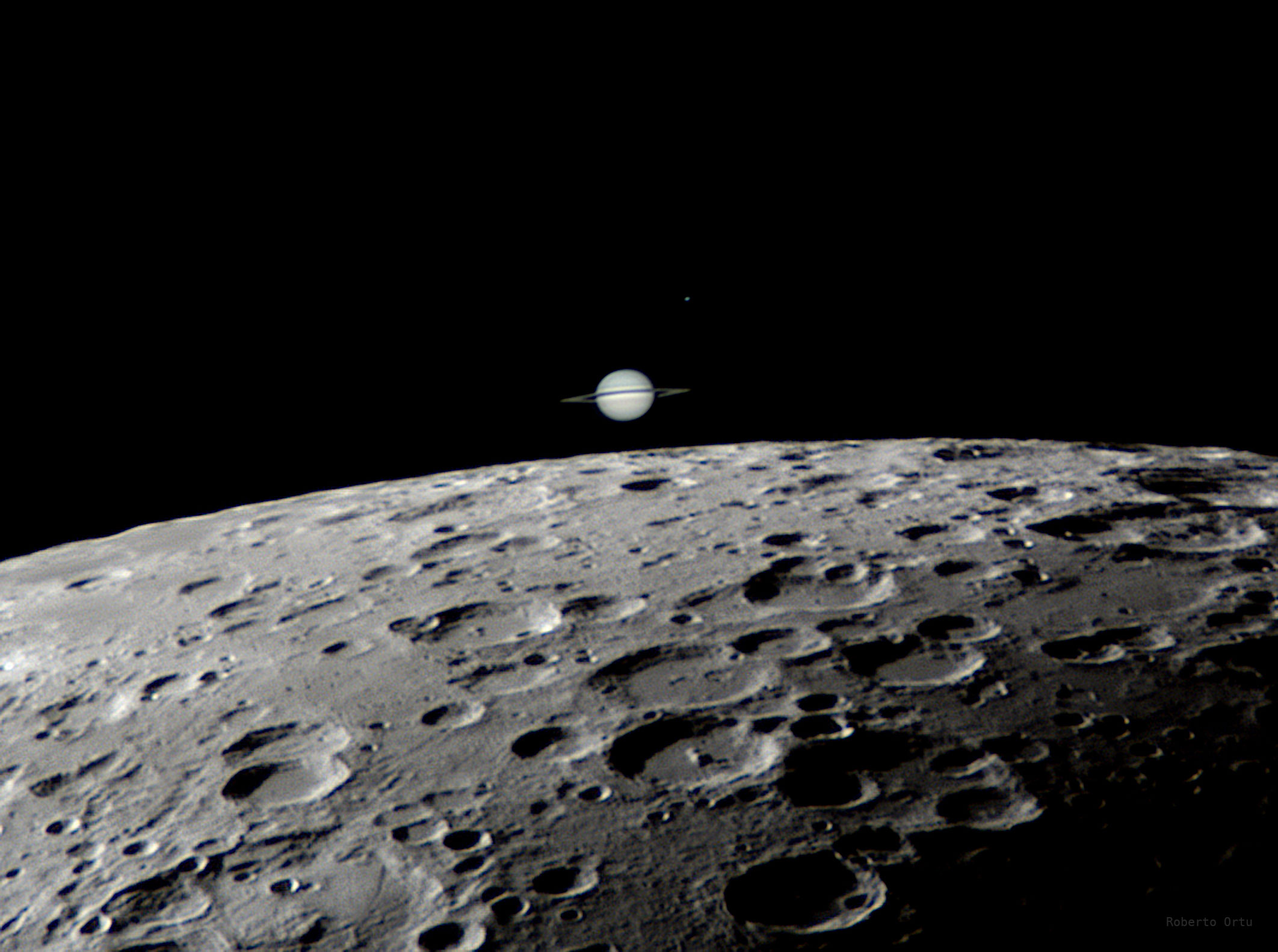
Saturn Behind the Moon
Explanation: Sometimes Saturn disappears. It doesn’t really go away, of course — it just disappears from our view when Earth’s Moon moves in front. Such a Saturnian eclipse, more formally called an occultation, was visible in early 2025 along a small swath of Earth — from Greenland through central Europe and into northern Africa. The featured image is a digital fusion of three images, the first of just Saturn before it disappeared, and then two more of the Moon with different exposure lengths. The images were taken from Sardinia, Italy, after sunset. The bright dot near Saturn is not a moon of Saturn, but rather the star 85 Aquarii, which is further behind Saturn than Saturn is behind the Moon. The next time the Moon moves in front of Saturn, as visible from some place on Earth, will be in 2031.
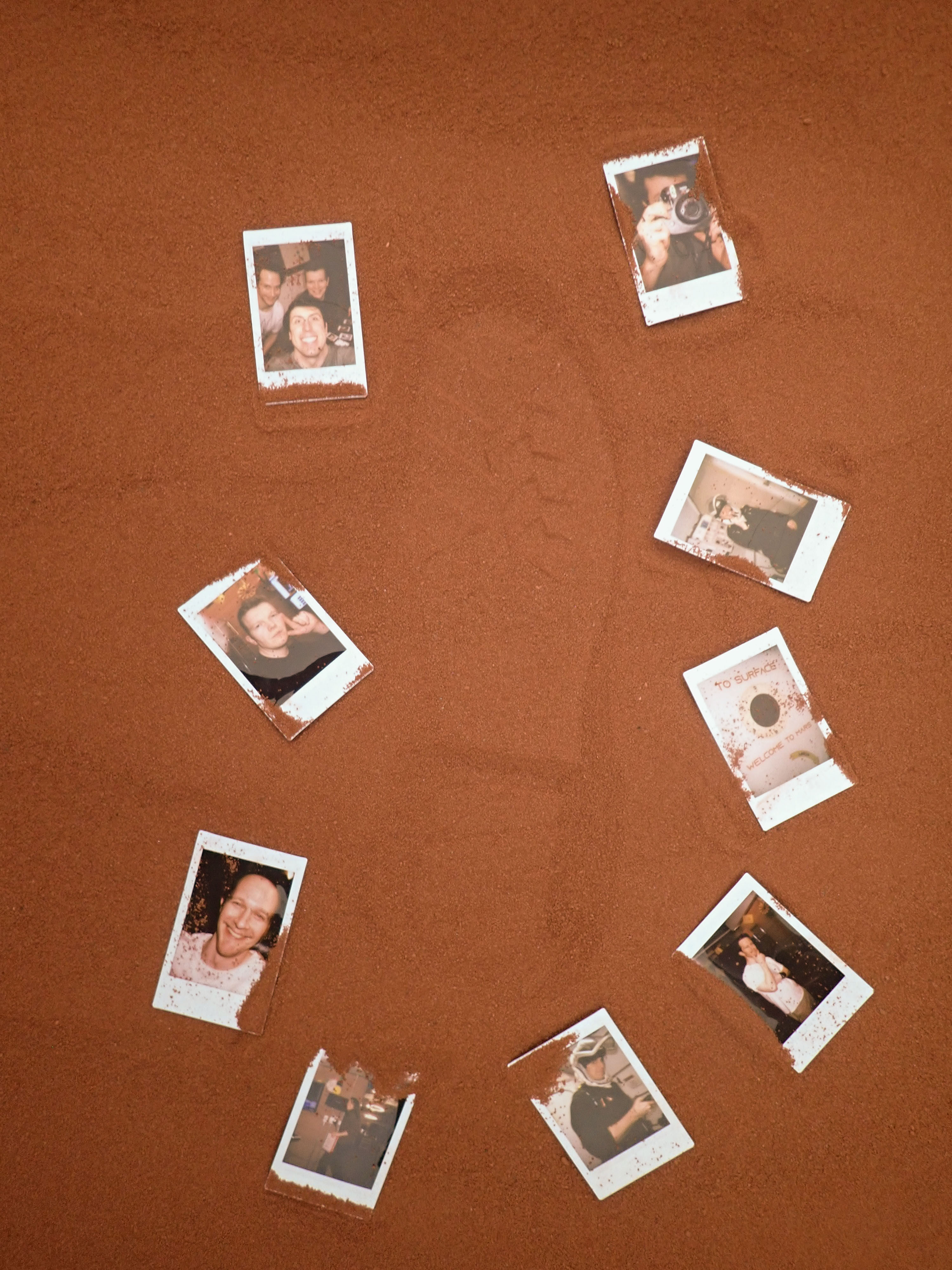
The Crew Health and Performance Exploration Analog (CHAPEA) Mission 2 crew arranged photos around a boot print in the simulated Martian sand outside their habitat on Aug. 31, 2026.
The crew recently exited their habitat on Saturday, Oct. 31, after 378 days of isolation in a facility at the agency’s Johnson Space Center in Houston. Health and performance data collected from the simulation can help NASA develop methods to counter human spaceflight risks for future Artemis and Moon Base missions.
NASA Scientists Show How Gravitational Waves Can Reveal New Worlds
The LISA (Laser Interferometer Space Antenna) observatory, now in development, will detect gravitational waves, the tiny ripples in space-time caused by orbiting masses. Now two studies led by NASA astrophysicists show in new detail how LISA could reveal a new and unique population of exoplanets — worlds beyond our solar system — throughout our galaxy.
Watch to learn how the presence of a planet modifies the gravitational wave signal from tightly orbiting white dwarfs. The LISA (Laser Interferometer Space Antenna) observatory could detect a Jupiter-mass planet in such systems up to thousands of light-years away. NASA’s Goddard Space Flight Center
“The most common source for LISA is expected to be double white dwarf systems, which are binaries composed of white dwarfs in tight orbits,” said Casey McGrath, a postdoctoral researcher at the University of Maryland, Baltimore County and NASA’s Goddard Space Flight Center in Greenbelt, Maryland. “If an exoplanet also orbits within one of these systems, its presence becomes imprinted on the gravitational wave signal in a way we’ll be able to uncover.”
Two papers published Tuesday in The Astrophysical Journal detail the findings. The first, authored solely by McGrath, examines the detection method and determines the planet masses and orbital periods where it would work best. The second paper, by McGrath and coauthors, investigates how such planets could be confirmed using NASA’s James Webb Space Telescope.
The possibility of detecting exoplanets around LISA double white dwarf systems was first proposed by Japanese astronomer Naoki Seto in 2008.
Led by ESA (European Space Agency), the LISA mission is slated for launch in the mid-2030s. As a collaborative partner, NASA is contributing the telescopes, other critical hardware, and engineering and scientific support as part of its mission to better understand how the universe works.
The LISA detection method is similar to one called radial velocity that uses light and is already employed to find exoplanets around nearby stars. As a planet orbits, its gravity tugs on its host star, imparting a small reflex motion, or wobble, onto it. This wobble causes the star’s spectrum to oscillate, with spectral lines shifting from redder wavelengths as the star moves away from us to bluer ones as the star moves toward us. The shift is due to a phenomenon called the Doppler effect.
“Something similar occurs with gravitational waves,” said Scott Noble, a theoretical astrophysicist at NASA Goddard and a coauthor on the confirmation paper. “By themselves, double white dwarfs will emit gravitational waves at a nearly continuous frequency. Add a sufficiently massive planet to the system, and its presence causes the binary to experience reflex motion, adding a Doppler modulation to the gravitational signal.”
For LISA, this modulation will appear as sidebands, secondary signals at both higher and lower frequencies than the primary one.
McGrath likens the situation to modern radio communication, where some of the energy of a main radio carrier frequency goes into forming sidebands at adjacent upper and lower frequencies that carry messages (like voices or music). For gravitational waves, the sidebands carry messages about the presence of a planet.
White dwarfs are the Earth-sized remnants of stars like the Sun. While exoplanets have been detected around a few isolated white dwarfs, none have yet been found around a binary white dwarf, which means the LISA detections would represent a distinct new exoplanet population.
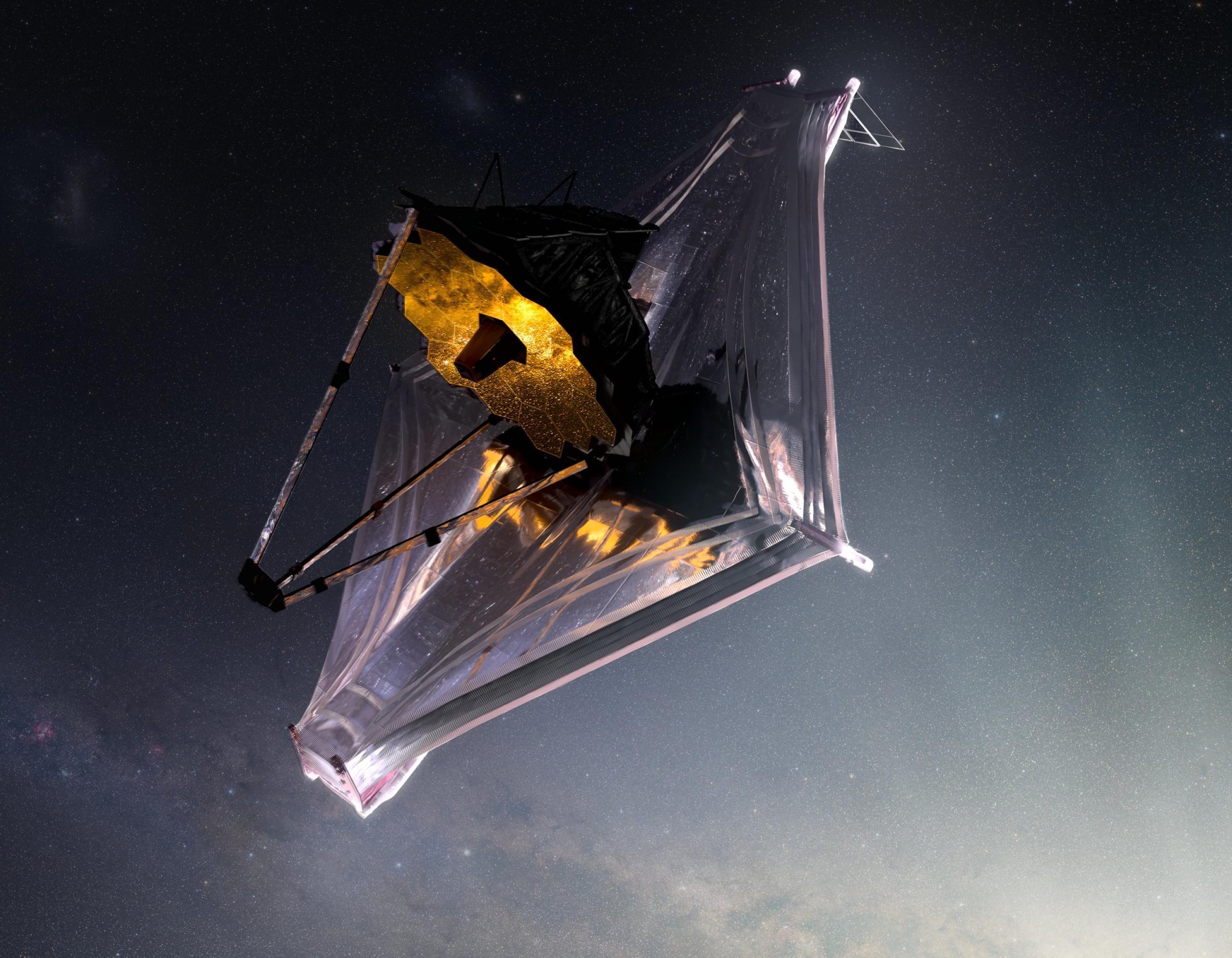
NASA’s infrared-sensitive James Webb Space Telescope, shown in this artist’s concept, will be able to confirm planets detected by gravitational waves in binary white dwarf systems located within a few hundred light-years.
NASA’s Goddard Space Flight Center Conceptual Image Lab
Astronomers estimate that our Milky Way galaxy contains 10 million double white dwarf systems with orbital periods of less than an hour, which generate gravitational waves in the right range for LISA to find. They expect LISA will resolve about 10,000 individual systems, as well as around 100 mixed binaries — with white dwarfs, neutron stars, or black holes — orbiting in similar periods.
“Once LISA captures its first exoplanet detections, it will be critical for us to validate some of them,” said Mary Anne Limbach, an assistant research scientist at the University of Michigan and a co-author on the confirmation paper. “These joint detections will allow us to establish that the gravitational signals correspond to genuine planets rather than false positives.”
The team described a new method for confirming these planets by taking advantage of the Webb telescope’s infrared sensitivity. A planet in a double white dwarf system produces a larger portion of infrared light than what’s expected from the stars themselves. Webb’s instruments can easily detect this infrared excess out to a distance of at least 500 light-years.
Using this technique for a test case system at this distance, the researchers find that Webb could detect an exoplanet about five times Jupiter’s mass, while LISA could detect a sub-Jupiter exoplanet under ideal circumstances.
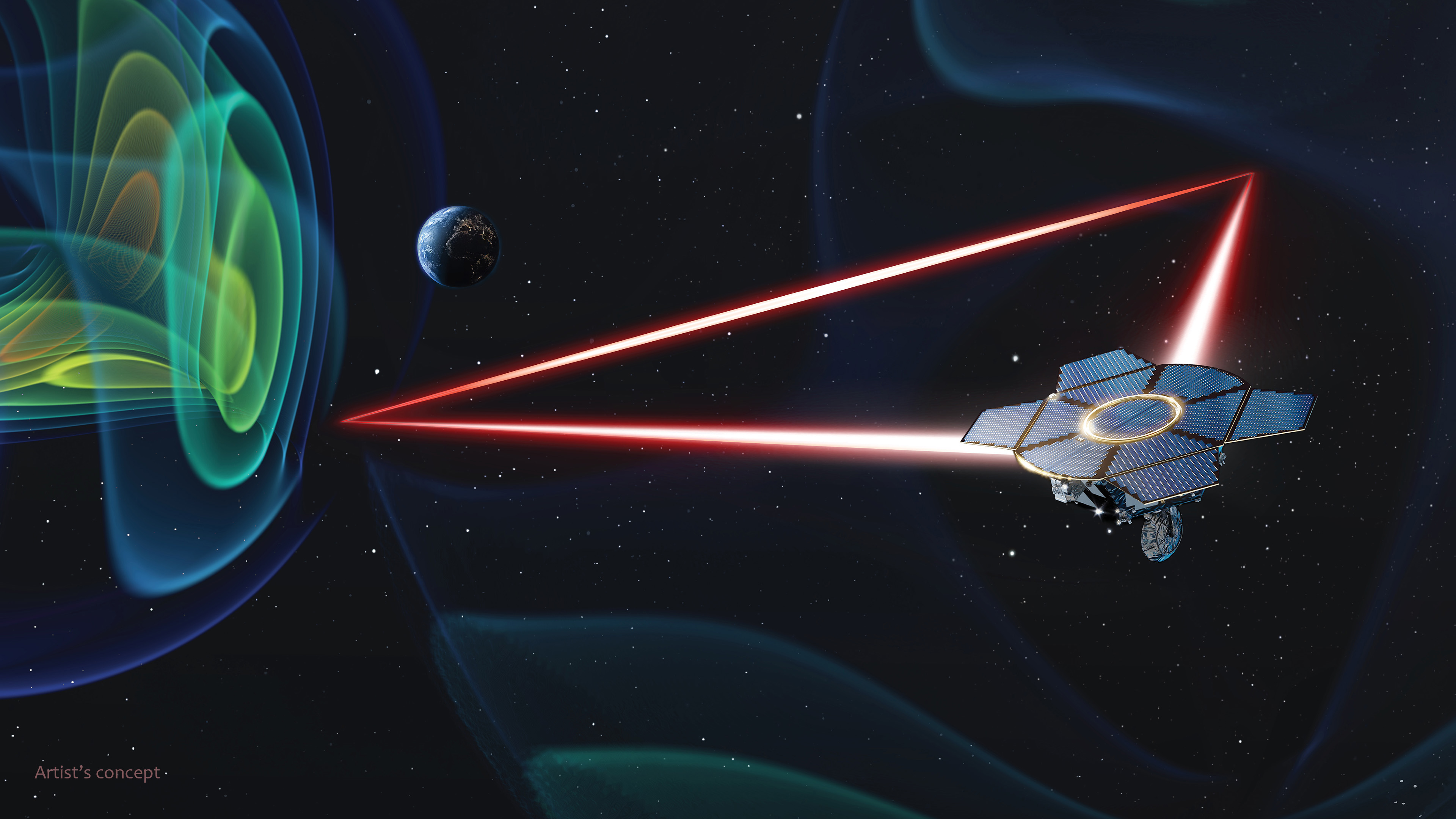
The LISA observatory will consist of a trio of spacecraft following Earth as it orbits the Sun. They will form a vast triangular array stretching 1.6 million miles (2.5 million kilometers) on each side. Each spacecraft will include two telescopes that will use infrared laser beams to simultaneously transmit and receive signals between adjacent spacecraft. Through these telescopes, the spacecraft will measure miniscule changes — smaller than the width of a helium atom — in their relative distances, the signals of passing gravitational waves.
This artist’s concept shows the LISA mission at work. Telescopes aboard each of the three spacecraft simultaneously transmit and receive infrared laser beams, measuring their mutual distances to extremely high precision across 1.6 million miles (2.5 million kilometers).
ESA
Gravitational waves were predicted by Albert Einstein’s 1916 general theory of relativity and first detected by ground-based observatories in 2015. The waves form whenever massive objects accelerate, such as two stars in orbit around each other. They travel through space-time, moving at the speed of light, and are unaffected by objects they encounter along the way. These properties make them a valuable tool for probing the cosmos.
Additional NASA contributions to the mission include the laser system, devices to manage the buildup of electric charge on the proof masses, data analysis for identifying and characterizing individual gravitational wave sources, and additional scientific and engineering expertise.
(March 15, 2026) — The International Space Station orbits 267 miles above a cloudy Atlantic Ocean southwest of Cape Town, South Africa. The Kibo laboratory module’s External Platform and the Canadarm2 robotic arm highlight the top foreground above Earth’s terminator—the line between night and day—in this photograph taken at approximately 6:36 a.m. local time. Credit: ESA/Sophie Adenot
NASA will welcome home the Expedition 74 crew during a public event at Space Center Houston following their return from a long-duration mission aboard the International Space Station.
NASA astronauts Jessica Meir, Jack Hathaway, and Chris Williams; ESA (European Space Agency) astronaut Sophie Adenot; and Roscosmos cosmonauts Sergey Kud‑Sverchkov and Sergei Mikaev will share mission highlights at 6 p.m. CST Tuesday, Nov. 17, at NASA Johnson Space Center’s visitor center. An awards ceremony recognizing key mission contributors will follow the presentation.
The astronauts will be available for media interviews before the event. Media may request an in-person interview no later than 5 p.m. Monday, Nov. 16, by emailing the JSC Newsroom at [email protected].
Williams, Kud‑Sverchkov, and Mikaev launched aboard the Soyuz MS-28 spacecraft from the Baikonur Cosmodrome in Kazakhstan on Nov. 27, 2025. The trio returned to Earth on July 26, making a parachute-assisted landing southeast of Dzhezkazgan, Kazakhstan. The crew was in space for 241 days, orbiting the Earth 3,856 times and traveling more than 102 million miles. The mission was the first for Williams and Mikaev and the second for Kud-Sverchkov.
Meir, Hathaway, and Adenot launched aboard a Dragon spacecraft on Feb. 13 as part of NASA’s SpaceX Crew-12 mission from Space Launch Complex 40 at Cape Canaveral Space Force Station in Florida. After more than seven months aboard the space station, Meir, Hathaway, and Adenot safely splashed down on Oct. 8 in the Pacific Ocean off the coast of Los Angeles.
During their 237-day mission, the four crew members traveled more than 100 million miles and completed more than 3,792 orbits around Earth. The mission was the second for Meir and the first for Hathaway and Adenot. Roscosmos cosmonaut Andrey Fedyaev also flew as part of Crew-12 but is unavailable for the event.
The Expedition 74 crew dedicated more than 1,400 hours to scientific research and technology demonstrations aboard the International Space Station. Its work advanced in-space manufacturing by testing metal and tissue 3D-printing technologies and supported human health studies examining the effects of long-duration spaceflight. Research included blood flow studies, assessments of piloting capabilities under changing gravitational conditions, and activation of a new compact exercise system. The crew also evaluated life-support and environmental systems critical to future exploration missions under NASA’s Artemis program.
In addition, the crew members conducted pharmaceutical research to crystalize proteins for cancer medications, advance tumor targeting treatments, and grow stem cells for therapeutics. They cared for the first set of plants studied outside of curated systems, upgraded an instrument used to advance our understanding of matter and develop new quantum technologies, managed visiting spacecraft, and performed essential maintenance to support the continued operation of the orbiting laboratory.
Beyond research and operational achievements, Expedition 74 engaged students and audiences around the world through live educational events, outreach activities, and the sharing of stunning imagery that highlights the importance of scientific discovery and international collaboration in space.
For more than 26 years, people have lived and worked continuously aboard the International Space Station, advancing scientific knowledge and making research breakthroughs not possible on Earth. The space station helps NASA understand and overcome the challenges of human spaceflight, expand commercial opportunities in low Earth orbit, and build on the foundation for long-duration missions to the Moon, as part of the Artemis program, and to Mars.
Learn more about International Space Station research and operations at:
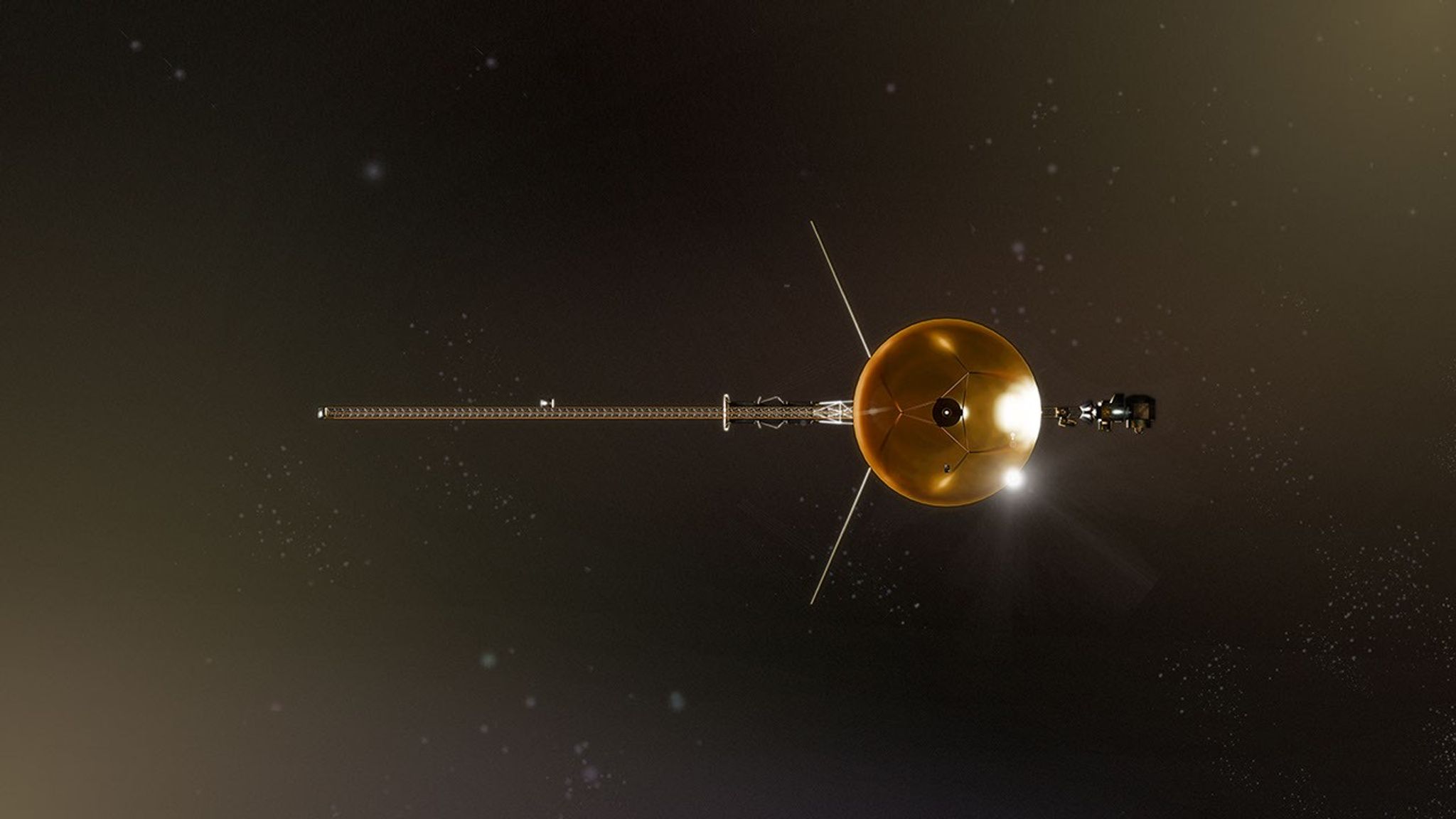
An artist’s concept depicting a Voyager spacecraft.
Credit: NASA/JPL-Caltech
Launched nearly 50 years ago in 1977, NASA’s Voyager 1 on Wednesday, Nov. 18 will have traveled one light-day from Earth, which is more than 16 billion miles (25.9 billion kilometers). Voyager 1 is the most distant human-made object, and any light from Earth would take 24 hours to reach the spacecraft. NASA will highlight this historic milestone with two events.
On Tuesday, Nov. 17, NASA invites the world to participate in “Shine Bright for Voyager’s Light-Day” by creating a symbolic wave of golden light encircling the planet after sunset. NASA has created a website that enables smart phones and tablets to flash “VGR”, Voyager’s call sign, in morse code.
For more information about how to participate in “Shine Bright for Voyager Light-Day,” visit:
Everyone is encouraged to capture photos or videos of their light-day signal and share it on social platforms, tagging @NASA.
On Thursday, Nov. 19 at 12 p.m. EST (9 a.m. PST), NASA’s Jet Propulsion Laboratory (JPL) in Southern California will host a moderated discussion with mission members and NASA leadership about the status of Voyager 1 and 2, the unique science the twin probes continue to gather in interstellar space, and the challenges of keeping the spacecraft operating for so long over such vast distances. A Q&A with media and other audience members will follow. In addition, there also will be a preview of the upcoming NASA+ Voyager documentary, planned for release in 2027 for the mission’s 50th anniversary.
The event will take place in NASA JPL’s von Kármán Auditorium, where JPL hosted Voyager briefings during the spacecraft’s grand tour of the outer planets.
The participants will be:
Nicky Fox, associate administrator, Science Mission Directorate, Washington
Jonathan Lunine, chief scientist, NASA’s Jet Propulsion Laboratory, Southern California, and professor of planetary science, Caltech
Suzanne Dodd, Voyager project manager, NASA JPL
Kareem Badaruddin, Voyager mission manager, NASA JPL
Jamie Rankin, Voyager deputy project scientist, Princeton University
U.S. media interested in attending the event in person must RSVP by Monday, Nov. 16 to Josh Smooha at: [email protected]. To be considered for onsite credentials, foreign national media must RSVP no later than Thursday, Nov. 12. Media interested in participating virtually must RSVP no later than two hours before the event. NASA’s media accreditation policy is available online.
For almost half a century, the agency’s Voyager mission has blazed a trail through space. Voyager 1 and Voyager 2 were designed to explore the outer planets by taking advantage of a planetary alignment that occurs once every 176 years. Voyager 1 entered interstellar space in 2012. Following a different trajectory, Voyager 2 entered in 2018. Both spacecraft continue to provide unique scientific observations of the environment beyond the heliosphere, the protective bubble created by the Sun.
Managed by Caltech in Pasadena, California, NASA JPL built and operates the Voyager spacecraft. NASA’s Deep Space Network, also managed by NASA JPL, enables communication with the distant probes. The Voyager mission is funded by NASA’s Heliophysics Division at NASA Headquarters in Washington.
For more information about NASA’s Voyager mission, visit: