Army Cpl. Luther H. Story, an infantryman, posthumously received the Medal of Honor for his heroic actions during the Korean War.
Source: www.war.gov
Army Cpl. Luther H. Story, an infantryman, posthumously received the Medal of Honor for his heroic actions during the Korean War.
Source: www.war.gov
More than 9,000 people across 50 states registered for the 2026 Air Force Marathon, testing their mental and physical endurance across several race categories.
Source: www.war.gov

NASA’s Perseverance Mars rover used its Mastcam-Z camera to capture this 360-degree panorama of “Turquoise Bay,” a geologic area of interest in the “Margin Unit.” The 818 images used to create the natural-color panorama were captured between Oct. 5 and Oct. 16, 2023, the 933rd to 944th Martian days, or sols, of the mission.
Figure A is an enhanced-color version, in which color bands were processed to improve visual contrast and accentuate color differences.
NASA’s Jet Propulsion Laboratory, which is managed for the agency by Caltech in Pasadena, California, built and manages operations of the Perseverance rover. Arizona State University leads the operations of the Mastcam-Z instrument, working in collaboration with Malin Space Science Systems in San Diego, on the design, fabrication, testing, and operation of the cameras, and in collaboration with the Niels Bohr Institute of the University of Copenhagen on the design, fabrication, and testing of the calibration targets.
For more about Perseverance: science.nasa.gov/mission/mars-2020-perseverance/
Source: science.nasa.gov




For decades, Arctic sea ice has been melting earlier in spring and freezing later in fall, extending the melt season and contributing to widespread ice loss. A new NASA-led study has found that while the Arctic melt season has lengthened dramatically since satellite records began, that trend unexpectedly stabilized around 2010.
The Arctic sea ice melt season is now about 40 days longer than it was in 1979, according to the study. Most of the increase occurred before 2010. Since then, the average melt season length has remained relatively unchanged, despite large year-to-year fluctuations.
Researchers analyzed satellite observations between 1979 and 2023 to track when sea ice begins to melt each spring and refreezes each autumn. They found that the change was driven primarily by sea ice freezing later in the year rather than melting earlier in the spring.
“Previously, there was more of this multiyear ice that didn’t melt away each summer,” said Linette Boisvert, a co-author on the study and ice scientist at NASA’s Goddard Space Flight Center. “Now that the ice is thinner and there’s less of it, there’s a lot more variability.” On average, though, the decline in sea ice thickness and extent that occurred during the 2000s appears to have stopped for the time being.
To understand why, the team examined changes in the Arctic’s energy balance—the net difference between incoming heat from the Sun, atmosphere, and ocean and the outgoing infrared radiation emitted back to space.
During the period of rapid ice loss in the 2000s, reduced ice cover exposed darker ocean water, which absorbed more sunlight. The additional solar energy delayed freezing and helped extend the melt season. In the left map above, the reddest areas mark where the melt season grew fastest that decade, by up to 5 days per year. Much of the Arctic ice today is younger and thinner than the multiyear ice that was once more widespread in the Arctic Ocean, leaving it more vulnerable to variations in cloud cover, storms, and winds.
Since 2010, changing cloud patterns have reduced the amount of sunlight reaching parts of the Arctic Ocean. The result has been a melt season that fluctuates from one year to the next but remains relatively stable over longer periods. The right map above reflects this shift, with the lighter blues and reds showing the more modest rates of change during that decade.
These findings don’t suggest that shifts in Earth’s climate have stopped affecting the Arctic. The region continues to warm nearly four times faster than the global average, and the remaining sea ice is substantially thinner than it was several decades ago. Instead, the study suggests that the Arctic may have entered a new phase, in which annual weather patterns exert a stronger influence on melt season than they once did.
“Melt season length is much more dependent on atmospheric effects,” Boisvert said. “They seem to be playing a bigger role because the ice is generally thinner and more vulnerable to begin with.”
The researchers caution that the apparent stabilization may prove temporary. Thick Arctic ice still exists throughout the year to the north of Greenland and the Canadian Arctic Archipelago. Continued thinning of ice in those regions could trigger another period of rapid sea ice loss, with the potential to further extend the melt season.
For now, the study highlights the importance of continued satellite observations of Arctic sea ice and the energy balance that controls its growth and melting. Whether the recent stabilization represents a lasting change in the melt season or a pause before another period of rapid change remains an open question.
NASA Earth Observatory images by Michala Garrison, using data from Boisvert, L., et al. (2026). Story by James Riordon/NASA’s Earth Science News Team.
Stay up-to-date with the latest content from NASA as we explore the universe and discover more about our home planet.

Experts are analyzing decades of images from Landsat satellites for clues about how the iconic birds have responded to sea…

The expanse of glacial ice on Canada’s Baffin Island lost its snow cover quickly and early in summer 2026, revealing…

The color of Adélie penguin droppings reveals what the birds are eating, offering scientists a way to track how sea…
Source: science.nasa.gov
APOD
Astronomy Picture of the Day
Discover the cosmos! Each day a different image or photograph of our fascinating universe is featured, along with a brief explanation written by a professional astronomer.
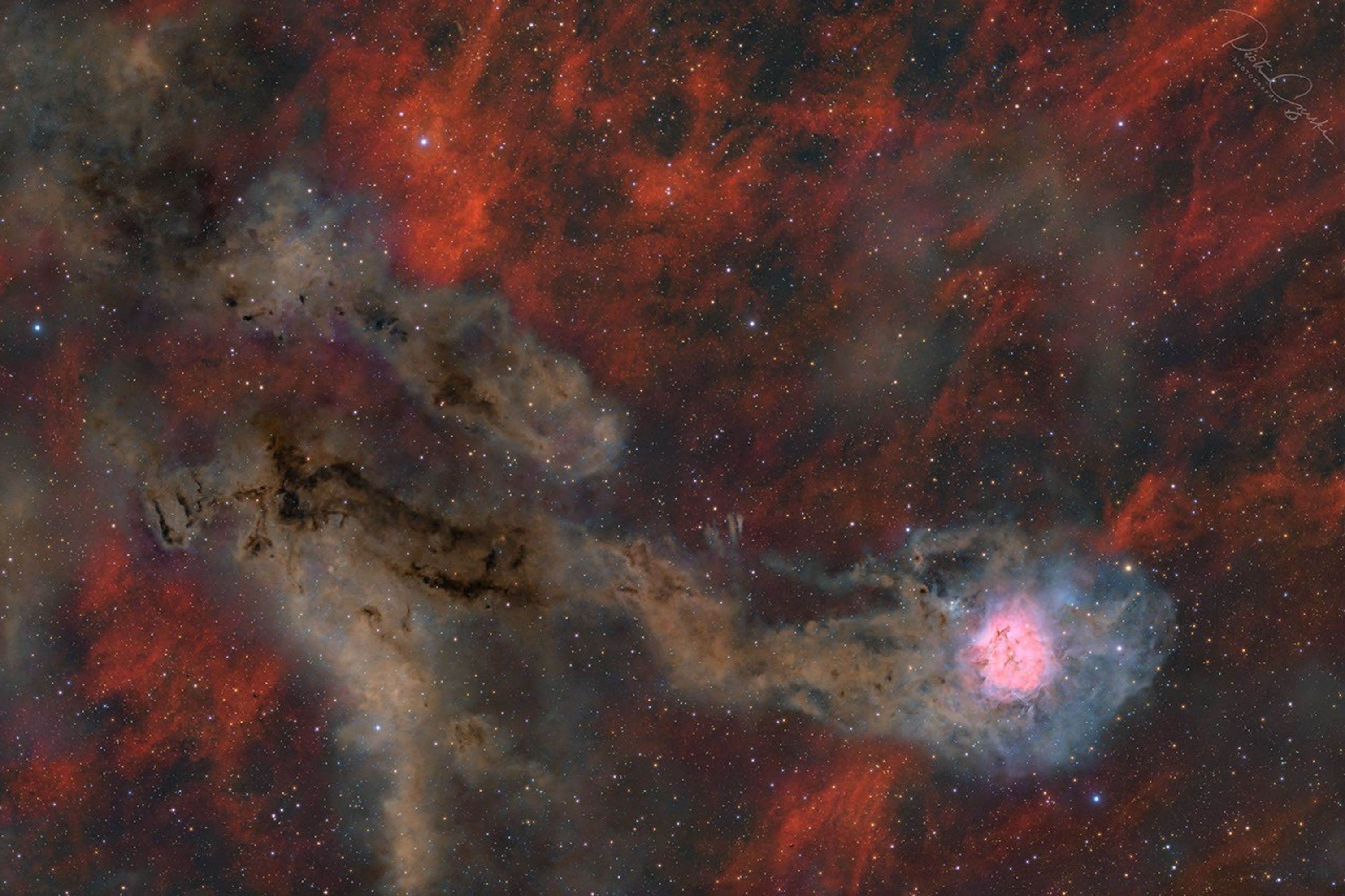
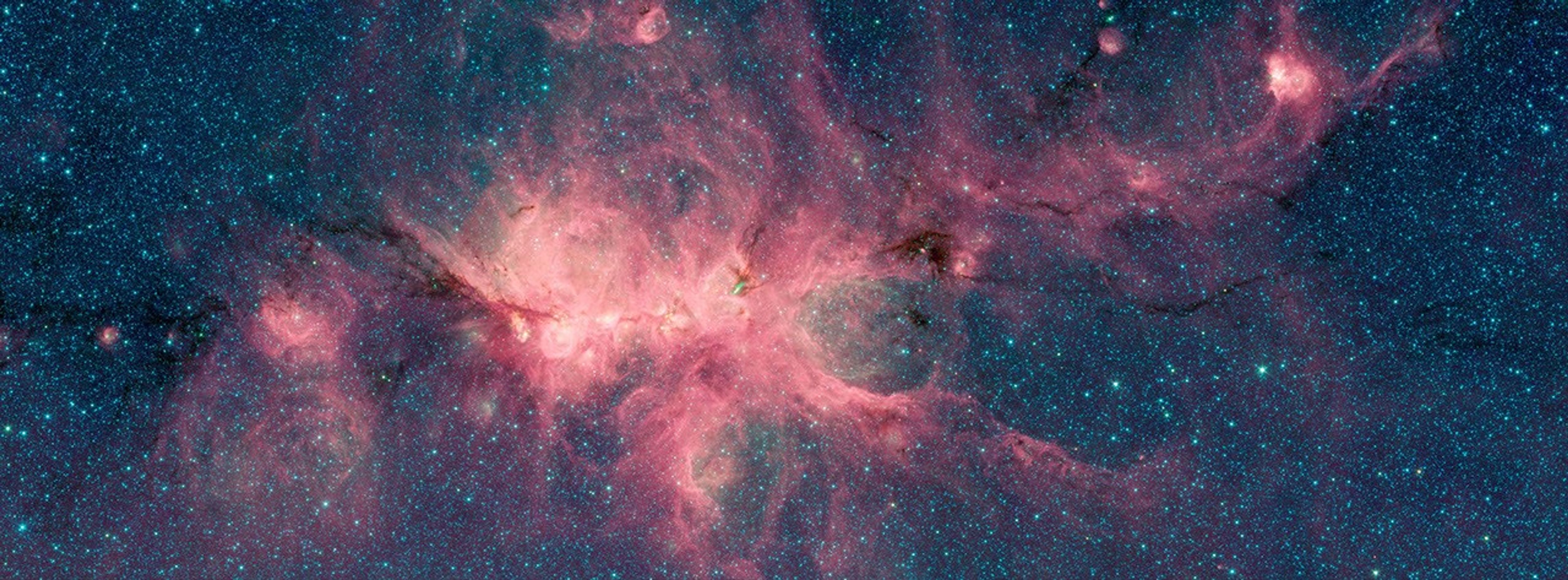
Explanation: When does a nebula look like a comet? In this crowded starfield covering over two degrees within the high-flying constellation of the Swan (Cygnus), the eye is drawn to the Cocoon Nebula. A compact star forming region, the cosmic Cocoon punctuates a nebula bright in emission and reflection on the lower right, with a long trail of interstellar dust clouds to the left, making the entire complex appear a bit like a comet. Cataloged as IC 5146, the central bright head of the nebula spans about 10 light years, while the dark dusty tail spans nearly 100 light years. Both are located about 2,500 light years away. A bright star near the colorful nebula’s center likely supplies power and helps clear out a cavity. The long dusty filaments of the tail, although dark in this visible light image, hide stars in the process of formation. The featured image was captured in July from Death Valley, California, USA.
APOD’s main NASA site is moving: From apod.nasa.gov to science.nasa.gov/apod
Tomorrow’s picture: triple eclipse
| Date: | September 21, 2026 |
|---|---|
| Credit & Copyright: | Piotr Czerski |
| Authors & editors: | Robert Nemiroff, Jerry Bonnell, Cecilia Chirenti, Keighley Rockcliffe |
| A service of: |
ASD at NASA / GSFC, NASA Science Activation & Michigan Tech. U. |
Source: science.nasa.gov
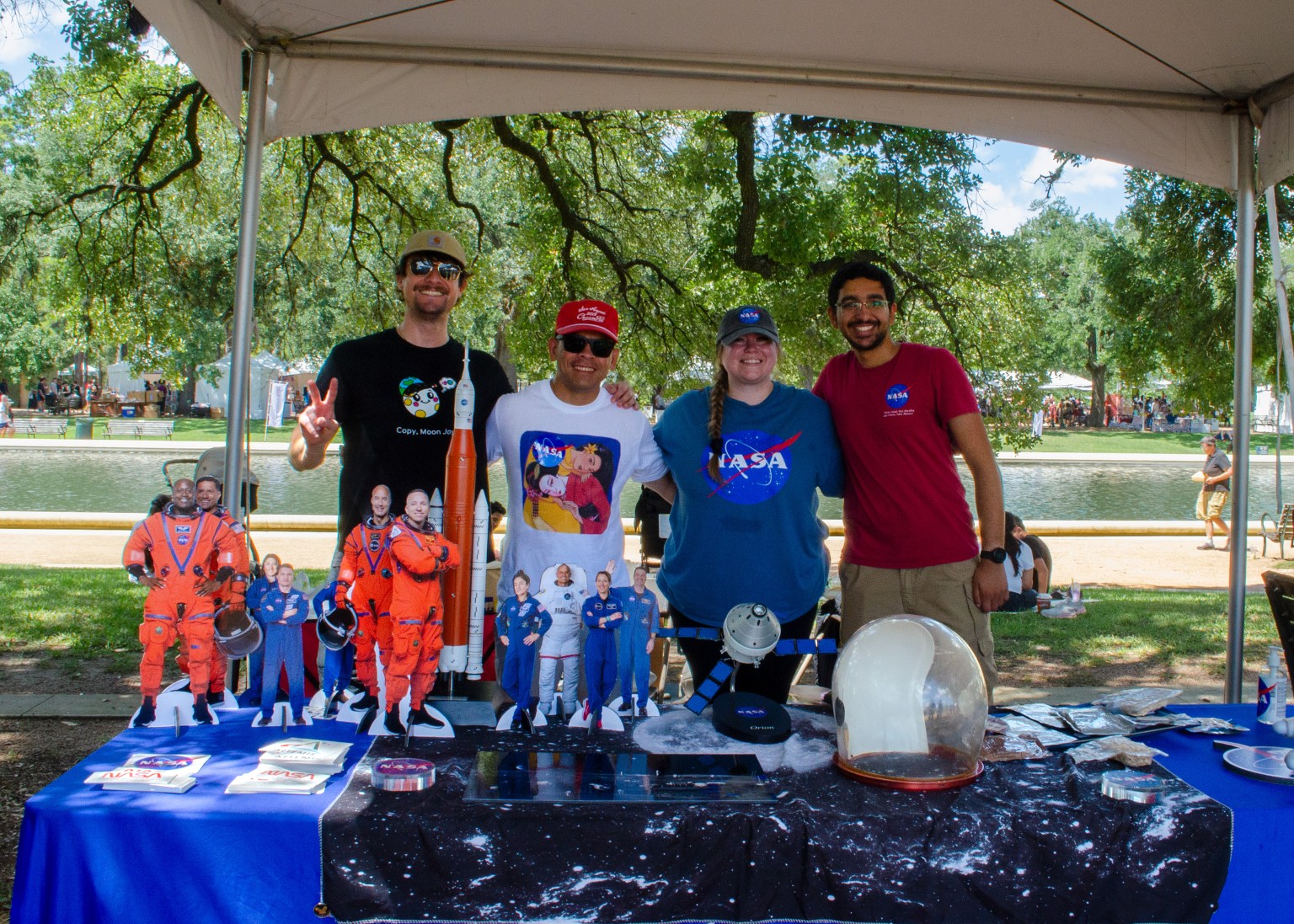
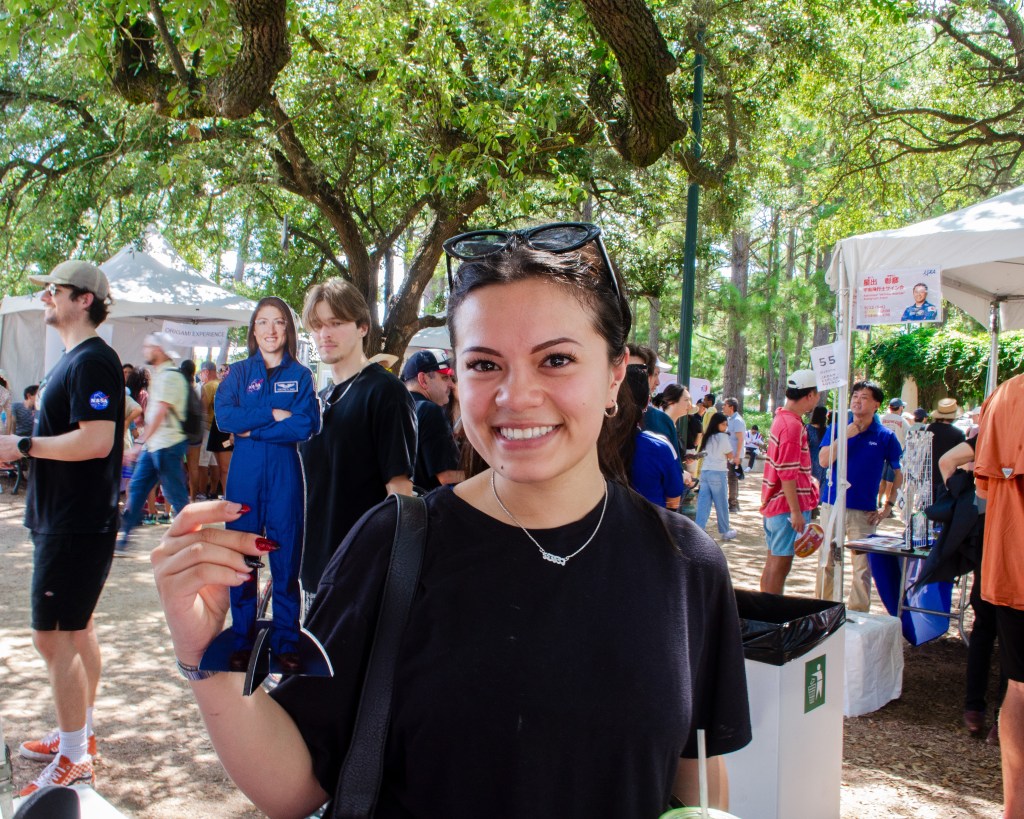
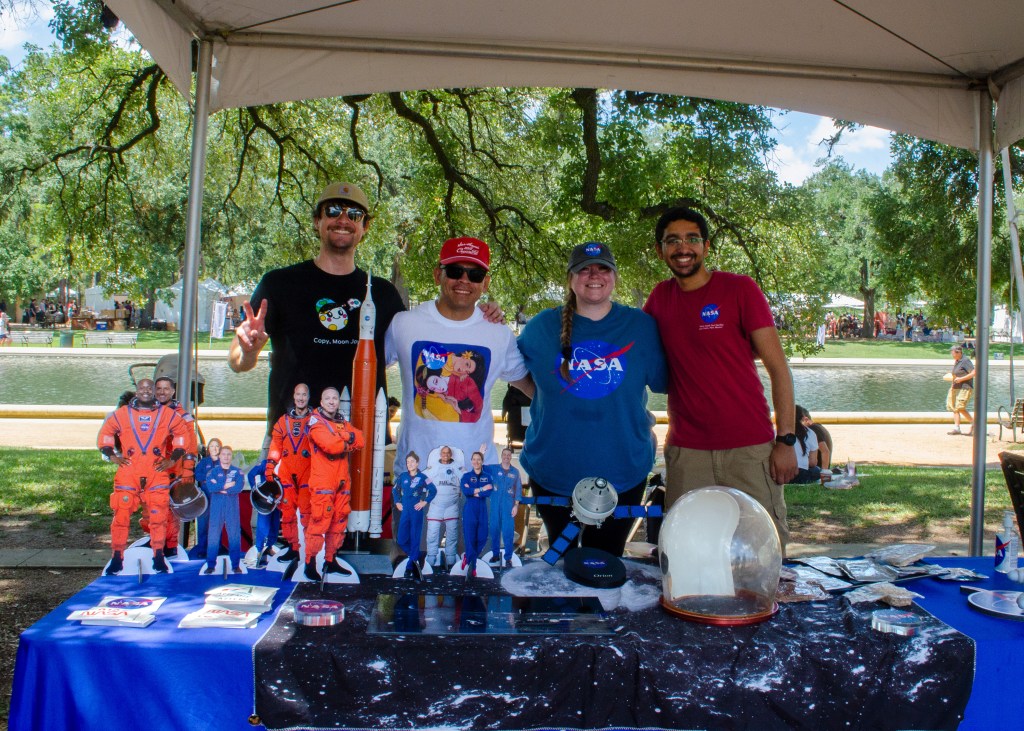
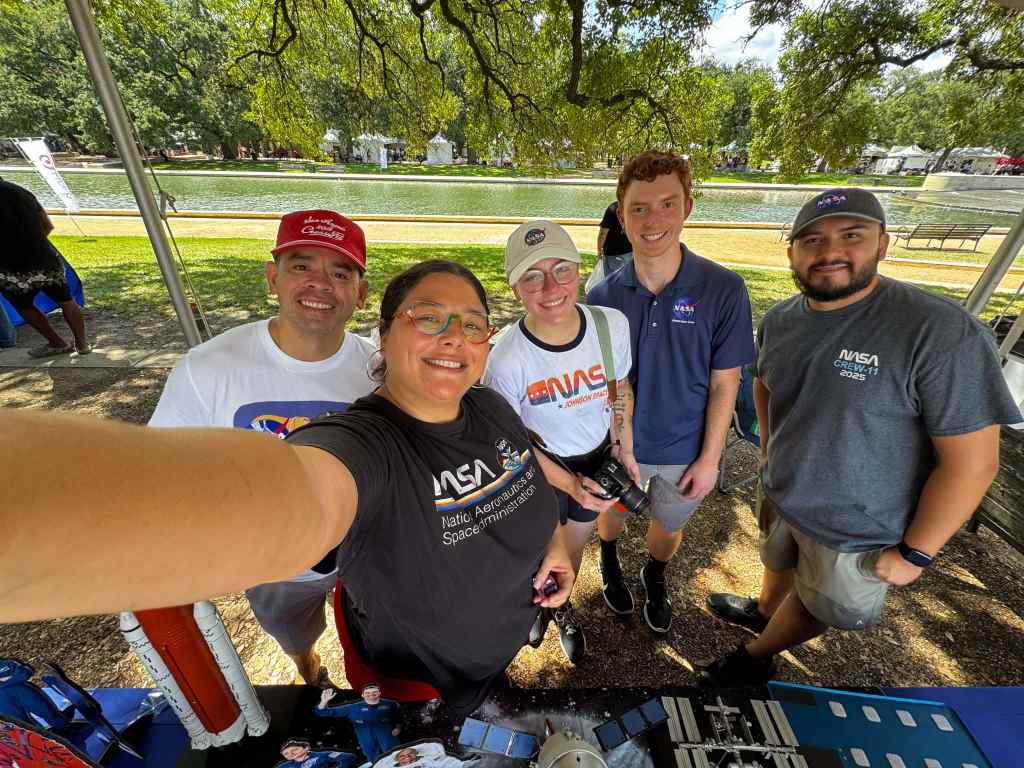
On Sept. 12-13, NASA’s Johnson Space Center employees brought the excitement and wonder of space exploration to Houston’s Japan Festival at Hermann Park.
For more than 30 years, the festival has immersed guests in traditional Japanese culture through food, dance, martial arts, music, and more, Johnson has supported the festival as an exhibitor for the past four years.
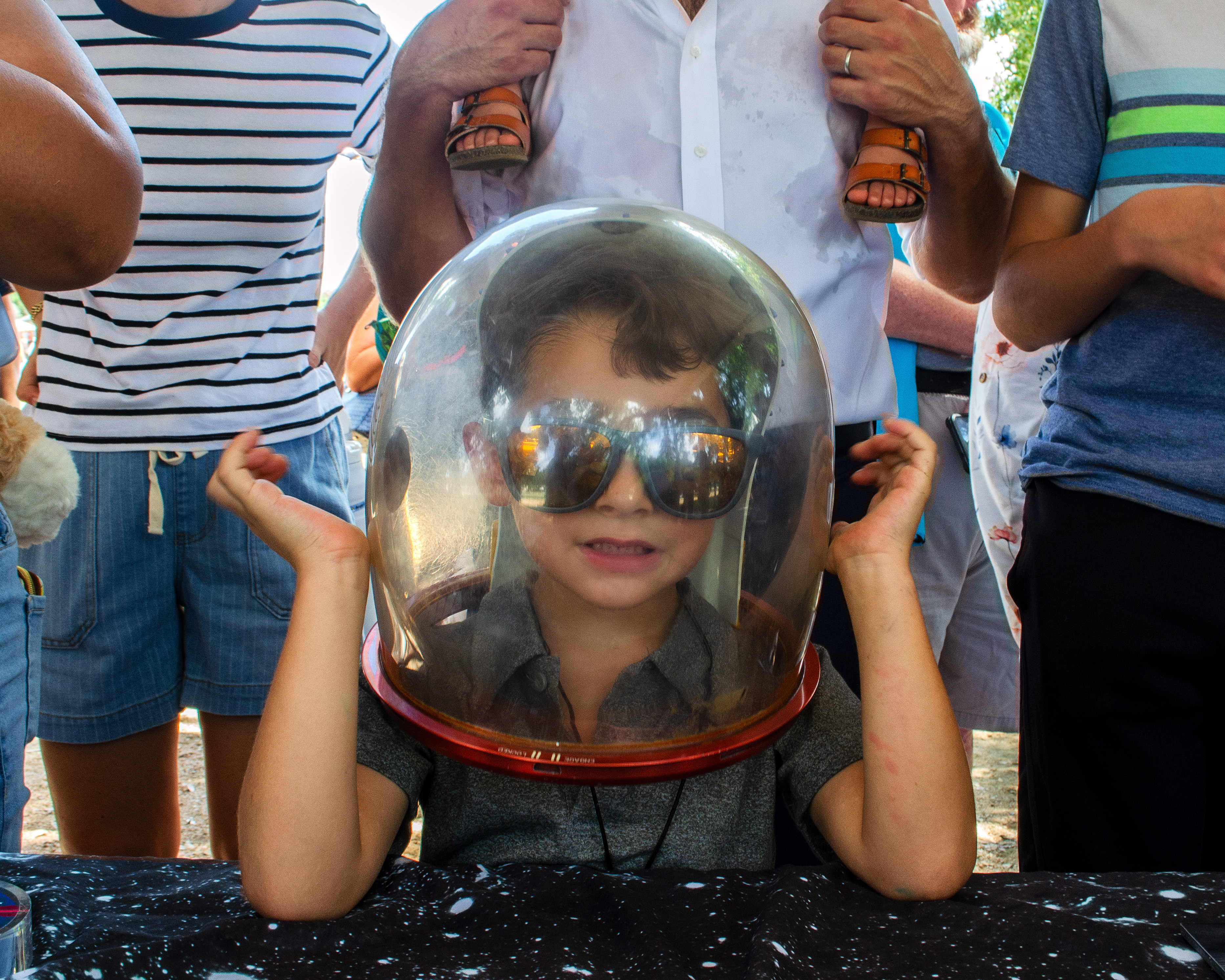
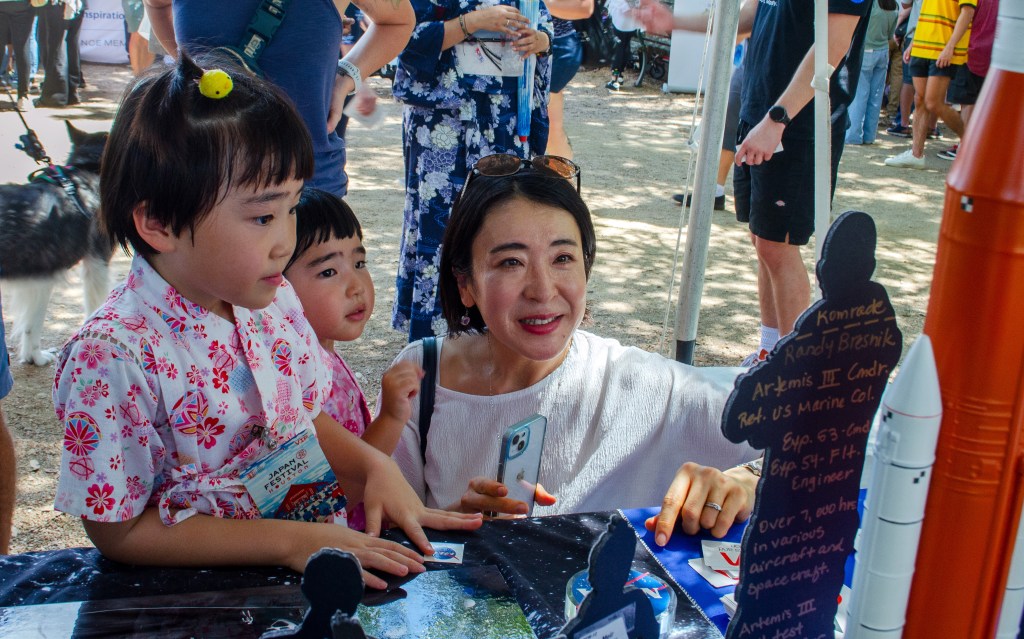
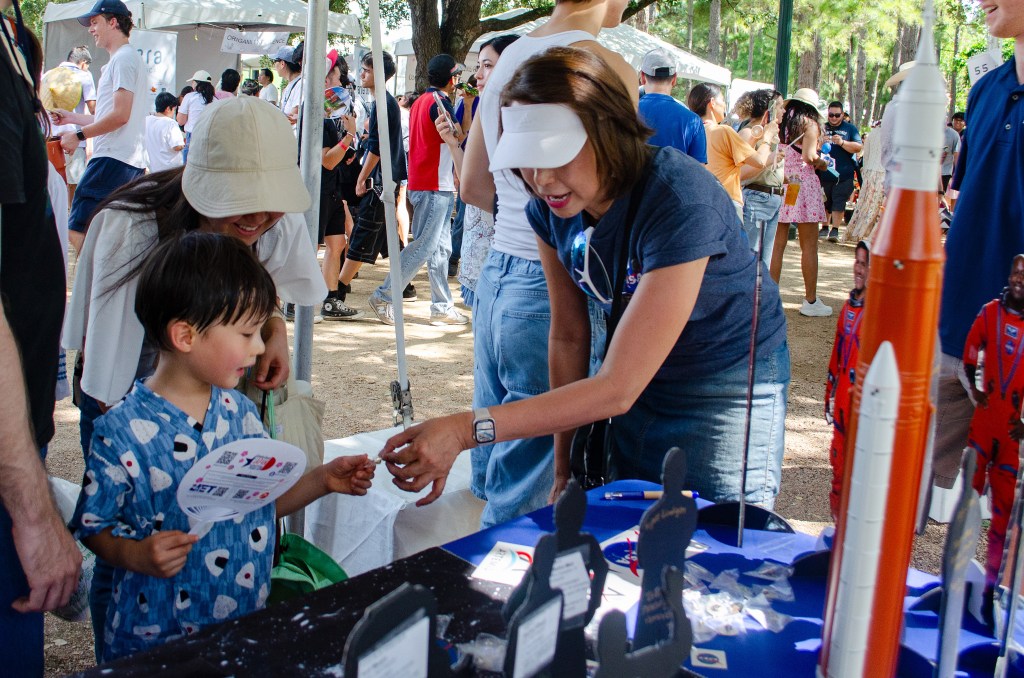
Johnson’s booth showcased the upcoming Artemis III mission and its crew, as well as NASA’s plans for the Moon Base. Display included models of NASA’s Orion spacecraft and the International Space Station, along with interactive exhibits featuring space food and a real astronaut glove and helmet for attendees to try on.
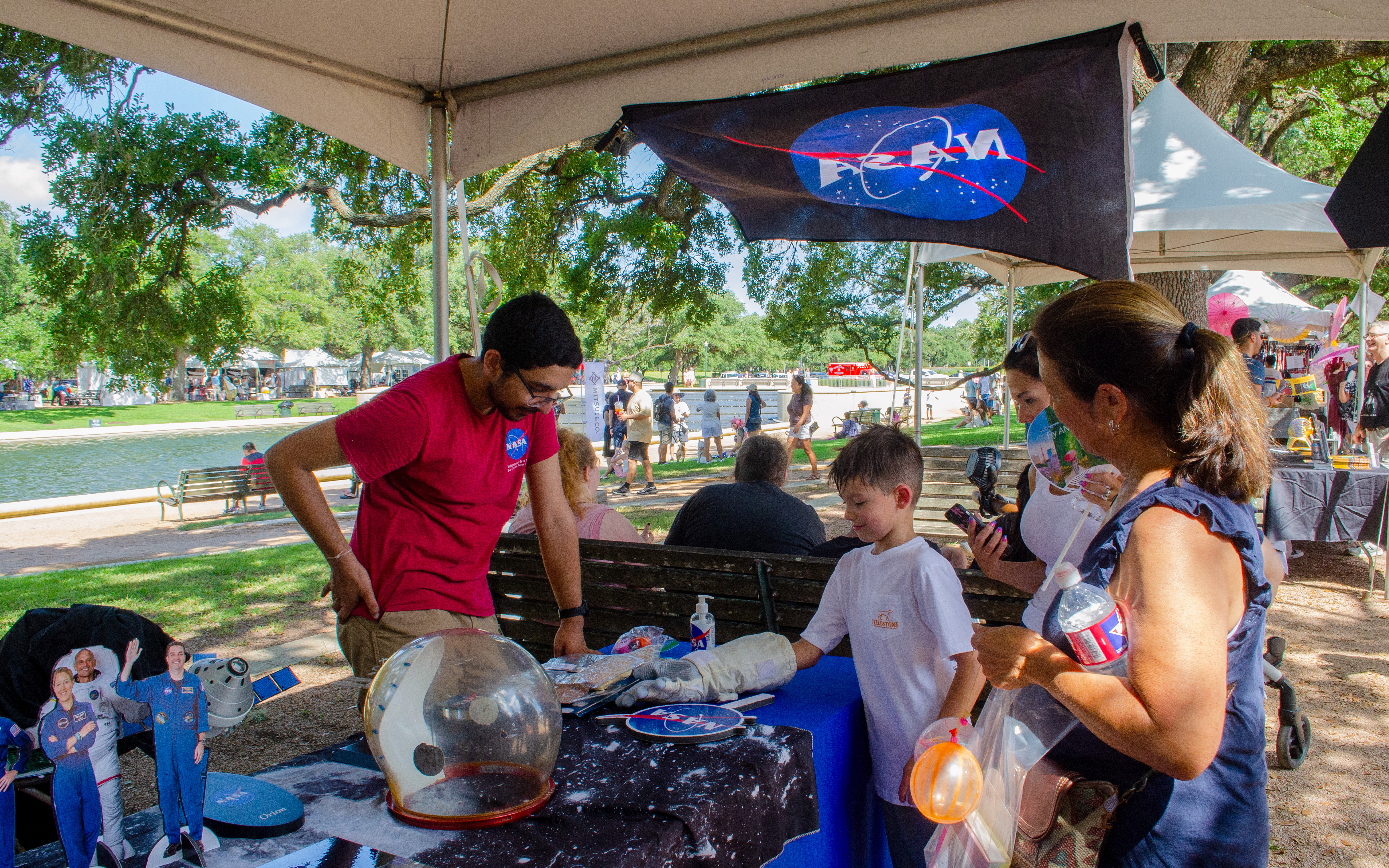
Johnson employees interacted with over 3,000 festivalgoers, informing them about the agency’s current initiatives, handing out NASA stickers and pins, and inspiring the next generation of space explorers. According to Johnson employees, the highlight of the weekend was seeing the joy and excitement on the faces of children and adults as they explored the exhibits.
“It was amazing to see students as early as high school so passionate about NASA and asking questions on how to prepare for a NASA career,” said Brendan King, software engineer for Johnson’s Flight Dynamics Division.
Next to Johnson’s booth, JAXA (Japanese Aerospace Exploration Agency), displayed a model of the HTV-X1 cargo spacecraft, space food, and images of JAXA’s pressurized rover, which could support future crewed and uncrewed exploration on the Moon. JAXA astronaut Akihiko Hoshide also signed autographs and posed for pictures with festival attendees.
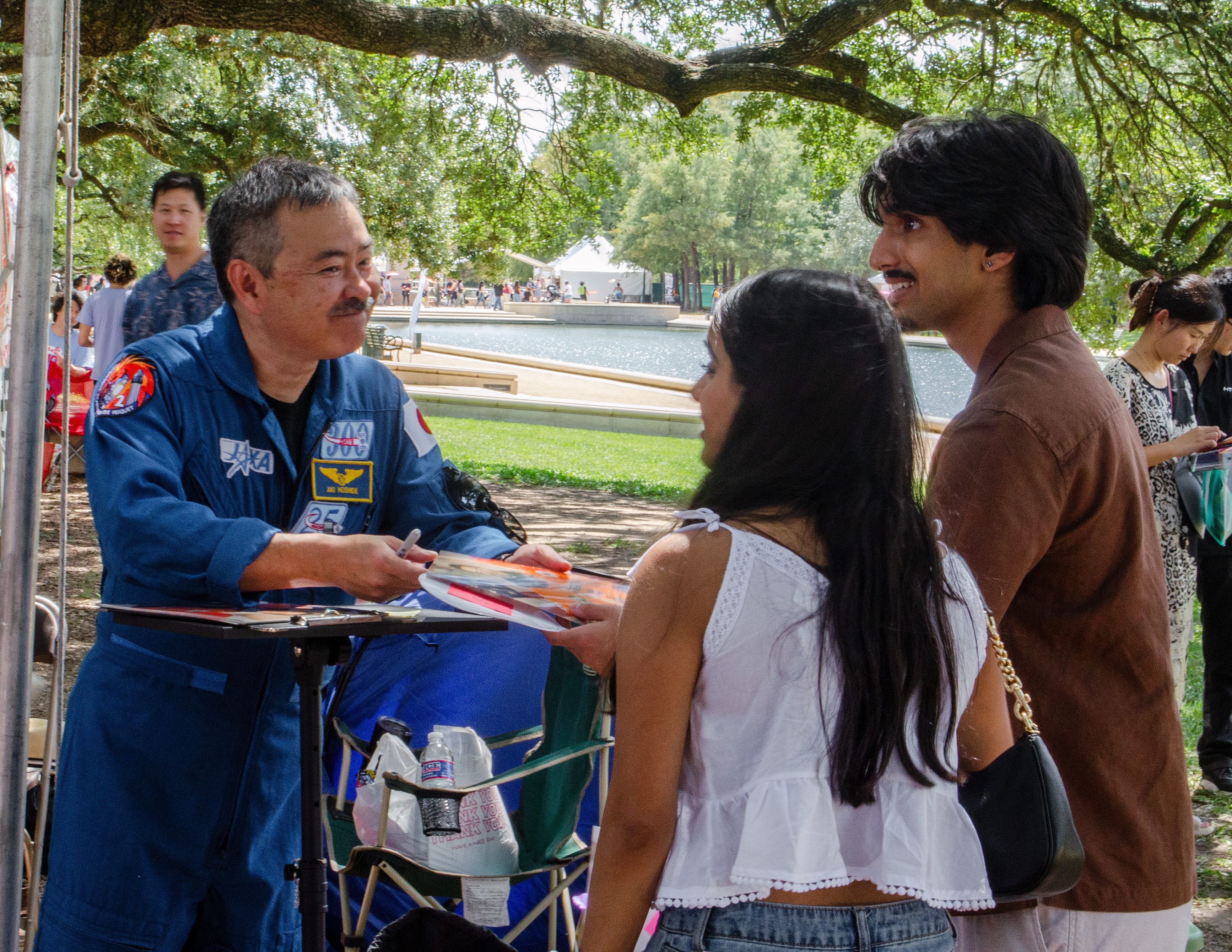
The proximity of the booths was no mistake, reflecting the long-standing partnership between NASA and JAXA. From the addition of the Kibo laboratory aboard the space station to Japan’s signing of the Artemis Accords and development of lunar surface hardware. NASA and JAXA’s commitment to innovation and international collaboration continues to advance exploration.
As the hub of human spaceflight, Johnson engages with the public through events like Japan Festival. These events give the Johnson community opportunities to share NASA’s history, ongoing work, and future missions. They also remind Houstonians that Giant Leaps Start Here, right in the heart of Houston.
Source: www.nasa.gov
2026
NAHF Enshrinement Ceremony 9.24.26.pdf
An Evening with the Stars EWTS 9.16.26.pdf
Maryland Space Business Roundtable 9.9.26
Virginia Aerospace Business Association (VASBA) Gala 9.24.26.pdf
Roman Space Telescope Event 8.28.26.pdf
The Planetary Society_Celebrating Viking 7.20.26.pdf
Farnborough Airshow Events 7.18-19.26
University of Maryland Acres 7.14.26.pdf
Smithsonian National Air and Space Museum_Blue Origin 7.14.26.pdf
Space Business Roundtable_MSBR 7.22.2026.pdf
USA Rockets Red Glare Reception 6-25-26
Northrop Grumman Event 6.17.26.pdf
Greater Cleveland Partnership 6.10.26.pdf
NAA Firefly Aerospace and AE Industrial Partners 6.11.26
Maryland Space Business Roundtable (MSBR) 5.20.26.pdf
Congressional Reception for Artemis II Crew 5.12.26.pdf
2026 Skyward Careers Award Luncheon 05.01.26.pdf
US Astronaut Hall of Fama Gala 5.16.26.pdf
RNASA Awards Dinner and Stellar Awards Luncheon 4.26.26.pdf
Space Policy Institute 4.29.26.pdf
Planetary Society APLU and AAU 4.21.26.pdf
41st Space Symposium-suppl 04.13-16.26
Space Symposium 2026 Events 4.13-16.26
2026 NSCFL Space Heroes and Legends Award Banquet 4.18.26
Newport News State of the City Event 4.13.26
Space Policy Institute Event 4.6.26
SpaceX Networking Reception 3.24.26
Maryland Space Business Roundtable (MSBR) 3.26.26
SIA_27th Annual Leadership Dinner 3.23.26
2026 Artemis Suppliers Conference 3.23-25.26
Ansys Government Initiatives Event_AGI 3.19.26
Homeland Security Week 3.17-18.26
Amazon Smithsonian and Space for Humanity Event 3.16.26
HLSR_NASA Night at the Rodeo 3.7.26
WIF Leadership Luncheon 3.4.26
2026 National Space Club Florida Committee Monthly Luncheon
Space Policy Institute Event 2.17.26
Maryland Space Business Roundtable_MSBR 2.11.26
2026 TSC Artemis II Pre-launch Reception 2.5.26
2026 VABA AAAAM Legislative Reception 2.4.26
Chamber of Commerce Summit 2.2.26
Cheniere Energy at the National Portrait Gallery 1.28.26
Leaders for a Better Louisiana at Adams and Reese 1.28.26
California Manufacturers and Technology Association Reception 1.23.26
Goddard Memorial Dinner 3.13.26
2026 Amentum Artemis II Rollout Reception 1.14.26
Maryland Space Business Roundtable 1.14.26
2025
Commercial Space Federation 12.9.25
Ansys Government Initiatives (AGI) 12.16.25
Maryland Space Business Roundtable (MSBR) 12.10.25
Space Policy Institute 10.21.2025
MSBR Space Business Roundtable 10.15.2025
76th International Astronautical Congress_IAC 9.29.25
2025 Von Braun Memorial Dinner 10.29.25
Space Foundation Reception 9.16.25
Evening with the Stars 9.10.25
Greater Houston Partnership Reception 6.12.25
Space Foundation and German Embassy Reception 6.5.25
H2M Conference and Events 5.28-29.25
American Rocketry Challenge Reception 5.17.25
Rockets on the Hill Reception 5.16.25
Dayton Development Coalition Event 5.13.25
2025 Space Heroes and Legends Gala
Thunderbird School and Global Management Reception
40th Space Symposium Main Events
SPI/GWU/USRA Symposium.3.27.25
Goddard Memorial Dinner.3.21.25
2025 Satellite Exhibition Event.3.10.25 to 3.13.25
67th Laureate Awards Dinner.3.6.25
Bae Systems SPHEREx Launch.2.27.25
2025 Artemis Suppliers Conference
Creole-Queen NOLA Reception.1.13.25
2025 New Glenn Mission 1 Launch Event
2025 Firefly Blue Origin Launch Reception
2024
Aero Club Award Dinner.12.13.24
Space Foundation Event.12.13.24
Commercial Space Federation Joint Event.12.9.24
The Arthur C. Clarke Foundation Event.11.21.24
Planet Labs PBC Reception.11.20.24
Blue Origin and KBR Dinner.10.30.24
36th Annual Dr. Wernher von Braun Memorial Dinner
2024 Keystone Space Conference
WIA Reception and Awards Dinner.10.10.24
2024 JPL Europa Clipper Launch Reception.10.8.24
AIA & Amazon Reception.8.26.24
Farnborough Air Show.7.20-21.24
Artemis II SLS Roll Out Reception.7.15.24
Astroscale Reception Tokyo.7.12.24
Brooke Owens Fellowship Dinner.7.11.24
Greater Cleveland Partnership.6.13-14.24
Coalition for Deep Space Exploration Return to the Moon.6.5.24
The 2024 Infinite Exhibit Grand Opening
AIA and German Embassy Reception.6.4.24
AIA and British Embassy Reception.5.22.24
Space Foundation Event.5.16.24
Foundation Fratelli Tutti Dinners.5.10-11.24
H2M Conference and Event.5.7-8.24
Crowell & Moring Reception.4.16.24
2024 Space Heroes and Legends Awards Dinner
SpaceX Symposium Reception.4.10.24
39th Space Symposium Supplemental
39th Space Symposium Main Events
Goddard Memorial Dinner.3.22.24
AIA and Amazon Reception.3.19.24
Embassy of Australia and Space Foundation.2.29.24
2024 Artemis Suppliers Conference
2024 Aerospace Days Legislative Reception
IDGA 17th Annual Event.1.23 – 24.24
Latino Biden-Harris Appointees Reception.1.11.24
2024 Axiom Space AX-3 Launch Reception
2023
2023 Astrobotic PM1 PreLaunch Reception
AERO Club Awards Dinner.12.15.23
SCL and GBM Foundation Reception.12.11.23
LASP and Ball Aerospace Reception.12.11.23
L Oreal USA for Women Event.11.16.23
KBR Welcome Reception.11.14.23
Museum of Natural History Board Events 11.2.23
2023 Von Braun Memorial Dinner
Planet Labs PBC Reception.10.26.23
WIA Reception and Award Dinner.10.12.23
National Space Club Banquet 2023
Space Foundation and Airbus.10.3.23
2023 VASBA HR AUVSI Gala and Symposium
AIA Congress Space Reception.9.7.23
Space Foundation Reception 7.19.23
Chamber of Commerce Reception.7.13.23
ECI Fellows Meeting.7.12 to 7.14.23
Embassy of Italy and Virgin Galactic.7.12.23
Brook Owens Fellowship Dinner 7.13.23
Comteck and Airbus Space Defense 07.11.23.
2023 Axiom Space AX-2 Launch Event WAG
AIAA Awards Gala Event 5.18.23
38th Space Symposium 4.16 to 4.20.23
Planet Labs PGC Reception.4.13.23
2023 TEMPO Pre-Launch Reception
Coalition for Deep Space Exploration SLS Orion EGS Gateway Suppliers 3.26.23
Orion SLS Conference 3.27 to 3.28.23
2023 Agency WAG Debus Award Banquet
VHMC And Boeing Reception 3.18.23
Ball Aerospace Kinship Reception 3.15.23
SpaceX Satellite Reception 3.13.23
Goddard Memorial Dinner 3.10.23
Space Foundation Event 2.16.23
BDB National Engineers Week 2023 Banquet
MSBR Lunch 2.28.23
STA Luncheon 2.7.23
WSBR Reception 2.1.23
SPI GWU SWF Reception 1.31.23
Artemis I Splashdown 01.17.23
MSBR Lunch 1.17.23
2022
GRC An Evening With the Stars 8.30.22
JPL 25 Years on Mars Reception 7.27.22
SPI GWU Dinner 7.6.22
Berlin Air Show 6.22-26.22
MSBR Lunch 6.21.22
KSC Gateway VIP Rception 6.14.22
MSBR Dinner Gala 6.10.22
NAA Robert J. Collier Awards Dinner 6.9.22
Advanced Space and Rocket Lab Capstone Event 6.8.22
AIA Challenger Center Reception 6.2.22
2022 H2M Summit 5.17-19.22
MSBR Lunch 5.17.22
FCW GovExec Awards Dinner 5.12.22
Meta Reception 5.4.22
JSC RNASA Luncheon and Dinner 4.29.22
Coalition for Deep Space Reception 4.28.22
SLS Orion EGS Suppliers Conference 4.28-29.22
SPI GWU Dinner 4.27.22
AIAA Awards Gala Dinner 4.27.22
MSBR Luncheon 4.19.2022
Arianespace Northrop Grumman JWST Reception 4.5.22
37th Space Symposium 4.4 to 7.22
Axiom Space Launch Event 3.30.22
Heinrich Boell Foundation Dinner 3.30.22
Aarianespace Reception 3.23.22
SIA Conference Events 3.21-23.22 Revised
Satellite Industry Association Reception 3.21.22
Goddard Memorial Dinner 3.18.22
GOES-T Post-Launch Reception 3.1.22
Goes-T L3 Harris Reception 3.1.22
Christopher Newport University Dinner 02.23.22
NG-17 CRS Launch Events VA 2.19.22
SPI GWU Dinner 02.04.2022
MSBR Dinner 01.18.2022
KSC CCTS Spaceport Summit 1.11-12.22
2021
JWST Launch 12.25.21
Aero Club Awards Reception 12.17.21
KSC NSC Celebrate Space 12.10.21
AGI Ansys Reception 12.10.21
KSC Ball Aerospace IXPE Launch Celebration Reception 12.7.21
WIA Awards Dinner 12.2.21
National Space Council Recognition Reception 12.1.21
SPI Dinner 11.16.21
AIAA ASCEND Event 11.15.21
AIAA Ascend 2021 Reception Dinner Las Vegs 11.14.21
KSC Astronaut Hall of Fame Event 11.13.21
KSC DNC Taste of Space Event 11.5.21
SPI Dinner 11.2.21
IAC Closing Gala 10.29.21
GRC Evening With The Stars 10.27.21
Goddard Memorial Awards Dinner 10.22.21
IAC 2021
Lucy Post Launch Dinner 10.16.21
KSC Lucy Launch Mission Events 10.12-13.21
United Airlines Reception 10.12.21
Blue Origin Launch 10.12.21
SPI Dinner on or about 9.28.21
Goddard Memorial Dinner 9.17.21 CANCELLED
SPI Dinner 9.7.21
RNASA Awards Dinner and Luncheon 9.3.21
GRC Evening With the Stars 8.31.21
FED100 Gala Awards Dinner 8.27.21
Addendum to 36th Space Symposium 8.22-26.21
36th Space Symposium 8.22-26.21
KSC ASF Innovators Gala 8.14.21
NG16 Launch Events 8.10.21
LaRC Virginia Space Reception 7.30.21
KSC 2021 Debus Award Dinner 7.30.21
Coalition for Deep Space 07.22.21
KSC Lockheed WAS Star Center Reception 7.15.21
2020
United Launch Alliance Satellite 2020 Reception 3.10.20
SpaceX Reception 3.9.20
U.S. Chamber of Commerce 2020 Aviation Summit 3.5.20
Maryland Space Business Roundtable Lunch 2.18.20
SLS Orion Suppliers Conference 2.12.20
Coalition for Deep Space Exploration Reception 2.11.20
Northrop Grumman NG-13 CRS Launch Events 2.9.20
VA UAS AeroSpace Legislative Reception 1.29.20
MSBR Lunch 1.21.20
Guidance Keough School of Global Affairs 1.16.20
Boeing Orbital Flight Test Launch Events 12.20.19
Virgin Space Reception 12.17.19
SEA Summit 12.17.19
Wright Memorial Dinner 12.13.19
Analytical Graphics AGI Reception 12.13.19
Ball Reception 12.10.19
MSBR Lunch 12.3.19
Plant Reception 11.20.19
JSC Spacecom Conference VIP Reception 11.20.19
JSC Spacecom Conference Reception 11.19.19
SAIC BSU STEM Roundtable 11.07.19
Apollo UK Productions Ltd 7.10.19
SpaceX Satellite Reception 5.6.19
SPI GWU Dinner 5.1.19
AIAA Reception 4.30.19
MSBR Lunch 1.21.20
MSBR Lunch 1.21.20
Source: www.nasa.gov
5 min read
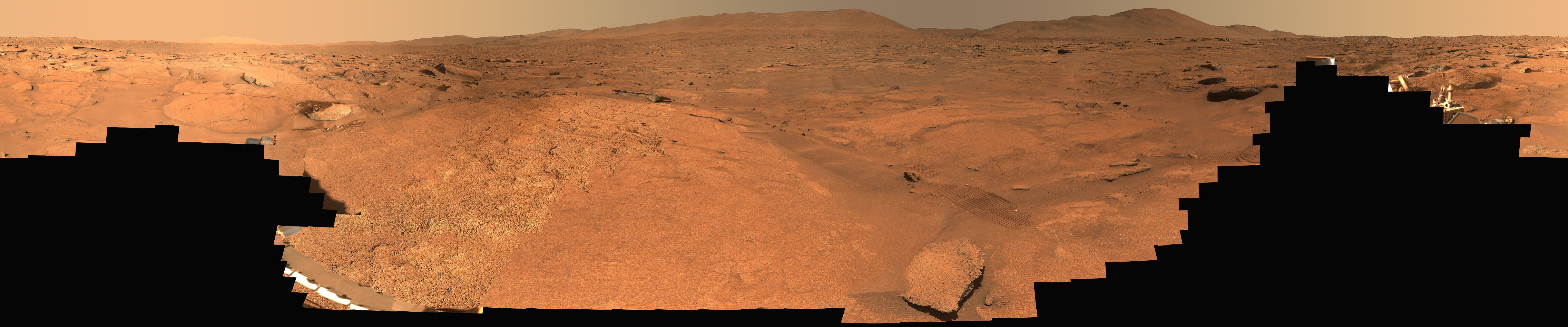
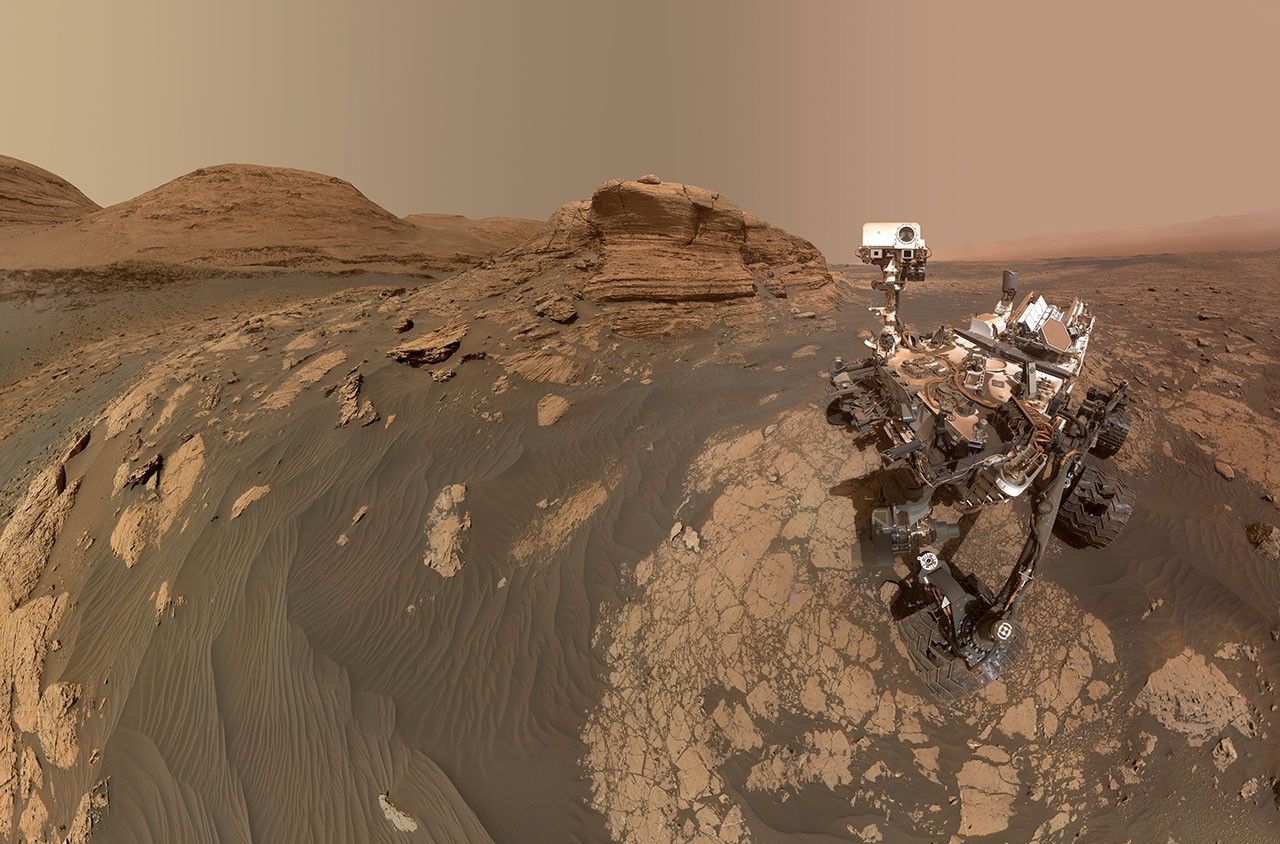
When NASA’s Perseverance rover reached the inner edge of Mars’ Jezero Crater in September 2023, mission scientists were surprised by what they found. Called the “Margin Unit,” the geologic area stretches along the shoreline of an ancient Martian lake, so they expected sedimentary rocks, which would have formed as layers of sand piled on top of each other over millennia. Composed of clay and silt, sedimentary rocks on Earth are good at preserving past microbial life. The scientists were especially intrigued by strong signals of carbonate minerals detected by Mars orbiters. On Earth, carbonates frequently form in shallow ocean and lake environments capable of supporting life.
Instead, the rover team found igneous rock, which can form deep underground from magma or from volcanic activity at the surface. Igneous rocks are excellent record-keepers, particularly because mineral crystals within them preserve details about the precise moment they formed. In this case, they preserved an astonishingly complex record of water activity on early Mars. In fact, these rocks showed signs of having interacted with water on at least three separate occasions, with each encounter further altering their chemistry and appearance. The findings were published Monday in the journal Communications Earth & Environment.
The instrument behind the findings is SuperCam, which perches on the rover’s mast and determines the mineralogy of geologic features based on the light they reflect. When the science team spots an intriguing rock, they can send commands for SuperCam to fire its laser up to 21 feet (6.5 meters) away. The spectrum of the resulting plasma reveals the target’s chemistry. Perseverance has analyzed more than 185 bedrock targets across the unit this way.
“Before we arrived at the Margin Unit, the main hypothesis — derived from orbital observations — was that the carbonate seen from orbit formed from interaction with the lake that existed in Jezero Crater,” said Candice Bedford, a research scientist at Purdue University in West Lafayette, Indiana, and the study’s lead author. “But now we know that this location became a sort of crossroads for aqueous systems. The Margin Unit findings are important because Jezero Crater sits inside one of the largest exposures of carbonate on Mars, so what we learn here reaches well beyond this crater.”
Perseverance explored the Margin Unit across approximately 870 feet (265 meters) of elevation. At higher elevations, it found rock that was coarse-grained and crystalline — hallmarks of the mineral olivine — with almost no sign that water had ever touched it. Made of magnesium and iron, the area’s olivine unit formed in a body of magma deep underground, cooling slowly enough for its grains to grow large, and reached the surface only after the ground above it eroded away. Lower in the unit, on the lakebed, the rock looks transformed, as the olivine grains were fractured with silica between them.
Carbonate and silica minerals are an important signpost in the search for ancient life. When water interacts with olivine on Earth, the reaction can release hydrogen, which can be a food source for some microbes, and it leaves behind carbonate and silica, two minerals that lock in traces of the past existence of those microbes.
The Perseverance team can determine the sequence of the Margin Unit’s interactions with water, but not their age. On the first occasion water reached the rocks of the Margin Unit, carbon-dioxide-rich groundwater reacted with olivine, resulting in ridges of carbonate that run through the fractures in bedrock at low elevations. Today, these carbonate-filled fractures are left standing as the softer rock around them wears away.
The second time water reached the rocks may have been related to the lake that once existed in the crater.
“Some of the Margin Unit rocks also contain silica,” said Eleni Ravanis, a planetary scientist at the University of Hawaii at Manoa and a coauthor of the study. “Turning olivine into carbonate can leave silica behind, and we see more of that silica in rocks that sat below the water line.”
Last came a water event that generated mineral veins at one location in the eastern part of the Margin Unit, about 10 inches (25 centimeters) thick, creating minerals like calcium sulfate and fluorite. Finding fluorite is an important clue because it typically forms when hot water circulates through volcanic rocks, revealing that this area experienced a later, heated underground-water event.
“If there is one thing I have learned after 10 years working with Mars rovers, it is that Mars constantly throws surprises at you,” said Bedford. “It is very rare that things are as we expect them to be from orbital data. I hope this work helps reshape how scientists view the history of water in Jezero Crater and across Mars. Ultimately, I hope it helps planetary scientists reconstruct the changing climate and habitability of early Mars.”
A key objective of Perseverance’s mission on Mars is astrobiology, including the search for signs of ancient microbial life. The rover characterizes the planet’s geology and past climate and collects and stores Martian rock and regolith.
Managed for NASA by Caltech, Jet Propulsion Laboratory in Southern California built and manages operations of the Perseverance rover on behalf of the agency’s Science Mission Directorate as part of NASA’s Mars Exploration Program portfolio. SuperCam is co-led by Purdue University in Indiana, Los Alamos National Laboratory in New Mexico, and IRAP (Research Institute in Astrophysics and Planetology) and CNES (Centre National d’Etudes Spatiales) in Toulouse, France.
For more about Perseverance:
https://science.nasa.gov/mission/mars-2020-perseverance
-end-
2026-062
Source: www.nasa.gov

NASA astronaut and commander of the agency’s Artemis II mission, Reid Wiseman, a Baltimore native, takes a selfie with fans at an NFL game between the New Orleans Saints and the Baltimore Ravens at M&T Bank Stadium, Sunday, Sept. 20, 2026, in Baltimore.
NASA’s engagement at NFL games is part of the agency’s Inspiration Tour, aimed at strengthening connections between NASA and its partners and showcasing innovation in air and space in the lead up to the MAX POWER aerospace technology expo and airshow at the agency’s Kennedy Space Center in early November.
Image Credit: NASA/Bill Ingalls
Source: www.nasa.gov