Blog

Travel

5 Min Read

Travel

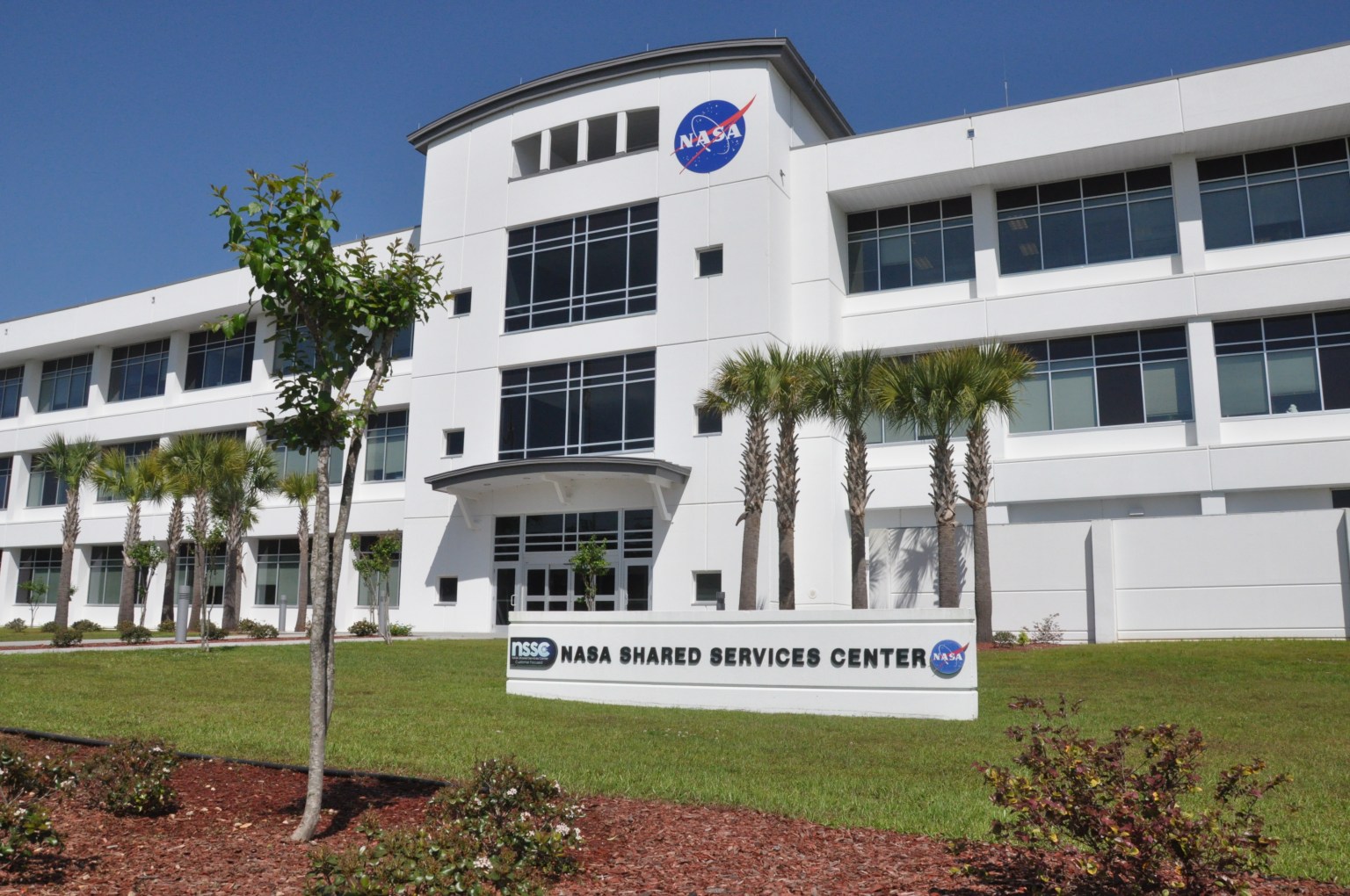
The NSSC provides travel reimbursement services for all authorized Agency travel including: domestic, foreign, local, ETDY, and Change of Station (COS).

References

Federal Travel Regulations (FTR)
Traveler Extended TDY and Taxes
Domestic Per Diem Rates
Foreign Per Diem Rates

Change of Station

NSSC Travel now has another way that a transferee Traveler may submit his or her vouchers. Please see, submitting Change of Station Process Steps

If traveling CONUS, review: NASA’s Guide to a Successful Move (CONUS)

If traveling OCONUS, review: NASA’s Guide to a Successful Move (OCONUS)

Change of Station References

Change of Station Voucher Information And Samples

Allegiance POC Information

GSA Smart Pay State Tax Information

Change of Station and RITA

Change of Station ServiceNow Instructions

Change of Station Forms

NSSC Change of Station Form

OF 1012 Travel Voucher 

SF 1038 Advance of Funds Application and Account

NF420  Service Agreement-First Duty Station Appointment

NF513 Service Agreement and Duplicate Reimbursement Disclosure Statement OCONUS Employment

NF1204 Employee’s Claim for Damage to, or Loss of, Personal Property Incident to Service

NF1337 Service Agreement-Transferred Employee

NF1338 Employee Application for Reimbursement of Expenses Incurred upon Sale or Purchase (or both) of Residence upon Change of Station

NF1449C  CONUS-Information Covering Persons Transferred or Appointed to First Duty Station

NF1449O OCONUS-Information Covering Persons Transferred or Appointed to First Duty Station

NF1450C CONUS Change of Station Authorization

NF1450O OCONUS Change of Station Authorization

NF1500 Claim for Temporary Quarters Subsistence Expense/Temporary Quarters Subsistence Allowance Reimbursement

NF1807 Househunting Trip Binding Decision

NF1808 Property Management Binding Decision

NF1810 Employee Agreement to Repay Withholding Tax Allowance (WTA)

NF 1811 Temporary Quarters Subsistence Allowance (TQSA)

NF1812 Temporary Quarters Subsistence Allowance (TQSA) Preceding Final Departure

NF1813 Temporary Change of Station (TCS) Duplicate Reimbursement Disclosure Statement

NF1814 Temporary Quarters Subsistence Allowance (TQSA) Predeparture Binding Decision

Related Tax Information:

Check out the latest Taxability Change Notice for Change of Station travelers.
To learn more, see: Relocation Income Tax Allowance Information

Domestic Travel

POV Mileage for NASA Travelers
For Privately Owned Vehicle (POV) Mileage Reimbursement Rates for TDY and ETDY Travel please refer to the GSA Web site: http://www.gsa.gov/mileage   

NASA Domestic Travel: Day that Travel Ends
For the day travel ends (the day a traveler returns to the PDS, home, or other authorized point), the per diem allowance is 75% of M&IE. 

NASA Domestic Travel Rental Car Liability

When making a reservation for a rental car, please remember the Government is only responsible to pay for rental car charges for official travel time.  If a traveler decides to take annual leave in conjunction with official travel and keeps the rental car during annual leave, the portion of the rental rate applicable to annual leave is the responsibility of the traveler.  Please refer to 41 CFR 301-10.453

What is my liability for unauthorized use of a rental automobile obtained with Government funds?

You are responsible for any additional cost resulting from the unauthorized use of a commercial rental automobile for other than official travel-related purposes.

NASA Domestic Travel: Tax Exemption

Prior to traveling, refer to the GSA State Tax Information webpage: https://smartpay.gsa.gov/smarttax. Select your State/US territory of interest to see the exemption status and download the appropriate form, if required.

Extended Temporary Duty (ETDY)

Reduced Per Diem rate

NASA’s standard reduced per diem rate for ETDY travel is 65 percent under the current policy as defined in the NASA Procedural Requirements (NPR) 9750.1-3.1.2.

     a.   Consistent with 41 CFR 301-11.200, an ETDY authorization can include reasonable further reductions from this standard rate or limitations on approved lodging for unique circumstances, to the extent it can be  determined in advance that such will substantially lower costs without mission impact.  For example, if lodging is obtained at 50 percent per diem, the ETDY authorization should be adjusted to authorize a lower rate. 

    b.   The reduced rate of reimbursement begins on the first day of travel regardless of the mode of transportation, except as noted in 3.1.3.  Allowances are covered by the reduced per diem rate; therefore, NASA will authorize the employee a per diem rate (up to 65 percent) to reasonably cover expenses for a one bedroom furnished apartment.  For ETDY greater than 90 days, first consideration should be given to long-term lodging facilities.  Long-term lodging facilities are available on the GSA schedule at http://www.gsa.gov.  If a long-term facility is not selected, proper justification should be provided. 

Find more about Allowable ETDY Expenses Included in Reduced Per Diem Rate, please see the following document: 

Allowable ETDY Expenses Included in Reduced Per Diem Rate

GSA Long-term Lodging (Schedule 48)

GSA’s Schedule 48 is designed for lodging needs of 30 days or more. This program provides housing accommodations for temporary or permanent relocation. Typical facilities include apartment or condominium type properties that may be furnished with all the amenities of a regular home. The current list of vendors is available by clicking on the link above. Most of these properties will accommodate NASA Extended TDY travelers within the 65% reduce per diem rate and will allow use of the government charge card.

Foreign Travel

Please consult the Code of Federal Regulations (CFR), NPR 9710.1, and NPR 9750.1. Please call the NSSC Contact Center using this form for additional information.

Source: www.nasa.gov
NASA’s Webb Reveals Dynamic Panorama of Star Formation

5 Min Read

NASA’s Webb Reveals Dynamic Panorama of Star Formation

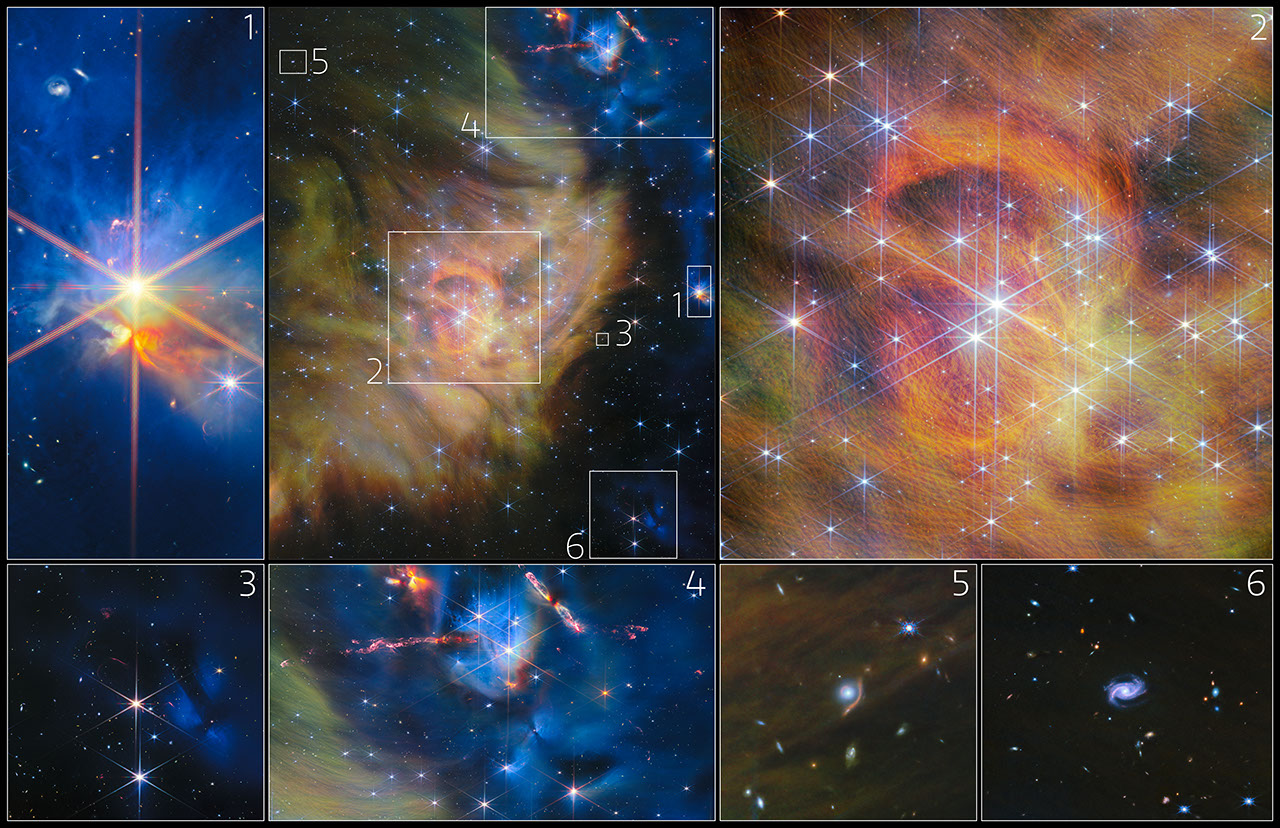
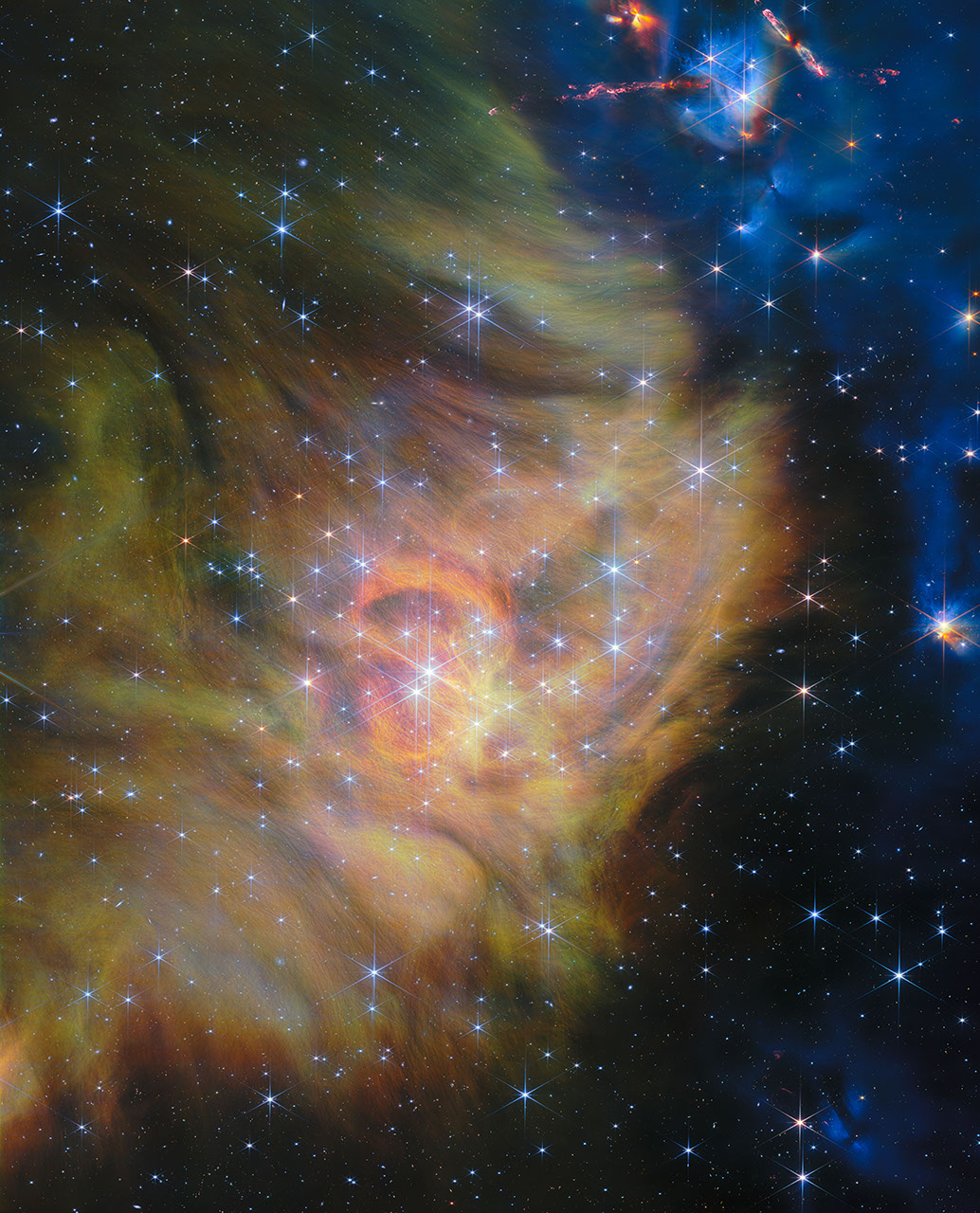
A star-forming region. The left two thirds of the image is blanketed in thick clouds of green and yellow gas and dust that form swirling patterns. Some of the gas is spread into thin, thready wisps. The right third of the image is the black background speckled with stars and multi-colored dots that represent distant galaxies. Bright stars are scattered throughout the clouds, with the densest cluster situated in the center of the scene. Each is crowned with six long spikes and two shorter spikes created by the optics of the telescope’s mirrors. In the upper right, a couple of hidden stars blast out long, glowing jets of material that glow in blue.

NASA’s James Webb Space Telescope recently observed IC 348, a star-forming region just 1,000 light-years away from Earth. Webb’s sharp vision revealed tiny brown dwarfs, some just twice Jupiter’s mass, and young stars ejecting powerful jets crashing into surrounding gas and dust.

Credits:
Image: NASA, ESA, CSA, Kevin Luhman (PSU), Catarina Alves de Oliveira (ESA), Mahdi Zamani (ESA/Webb)

This starry view of the nearby star-forming region IC 348 is one of the largest images released to date from NASA’s James Webb Space Telescope. Using Webb, astronomers searched IC 348 for brown dwarfs, which are less massive than the smallest stars. The researchers discovered brown dwarfs just twice the mass of Jupiter, bringing the study of these curious objects into a new mass range and revealing new insights about the star formation process.

The star-forming region IC 348 is located just 1,000 light-years away in the constellation Perseus. In regions like IC 348, cold clouds of molecular hydrogen gas collapse to form new stars, creating glowing, sculpted scenes like this one. The star-formation process can create widely varied objects, from massive stars that expire after only a few million years in core-collapse supernova explosions to the smallest and most common stars, which are long lived and produce powerful stellar storms.

IC 348 (NIRCam Image)

A star-forming region. The left two thirds of the image is blanketed in thick clouds of green and yellow gas and dust that form swirling patterns. Some of the gas is spread into thin, thready wisps. The right third of the image is the black background speckled with stars and multi-colored dots that represent distant galaxies. Bright stars are scattered throughout the clouds, with the densest cluster situated in the center of the scene. Each is crowned with six long spikes and two shorter spikes created by the optics of the telescope’s mirrors. In the upper right, a couple of hidden stars blast out long, glowing jets of material that glow in blue.
NASA’s James Webb Space Telescope recently observed IC 348, a star-forming region just 1,000 light-years away from Earth. Webb’s sharp vision revealed tiny brown dwarfs, some just twice Jupiter’s mass, and young stars ejecting powerful jets crashing into surrounding gas and dust.
Image: NASA, ESA, CSA, Kevin Luhman (PSU), Catarina Alves de Oliveira (ESA), Mahdi Zamani (ESA/Webb)

The smallest stars weigh in at around 8 percent of the Sun’s mass. Below this mass lies a strange class of objects called brown dwarfs. Brown dwarfs form in the same way stars do, through the collapse of molecular clouds. However, unlike stars, the cores of brown dwarfs never become hot enough to fuse ordinary hydrogen into helium (though many briefly fuse deuterium, or heavy hydrogen, early in their lives).

What’s still not clear, and what researchers hoped to learn by using Webb’s sensitive instruments to study IC 348, is how small the smallest objects created by the star-formation process are. In other words, how small is the smallest brown dwarf?

Researchers seeking to answer this question first used Webb to study IC 348 in 2022, when they discovered brown dwarfs with masses as low as three to four times the mass of Jupiter. Now, the same research team has used Webb to probe even deeper into this region in search of even smaller brown dwarfs. 

The team used Webb’s NIRCam (Near-Infrared Camera) in 2024 to capture the warm glow of young brown dwarfs and newborn stars seen in this new image of IC 348. After selecting candidate brown dwarfs based on their colors and brightness, they followed up with Webb’s NIRSpec (Near-Infrared Spectrograph) in 2025 to conduct spectroscopic observations to study the masses of the brown dwarfs.

These deep Webb observations revealed something remarkable to the researchers: brown dwarfs with masses as low as just twice the mass of Jupiter or only 0.19 percent of the Sun’s mass — far smaller than theory predicts brown dwarfs should be. These are the least massive brown dwarfs known and their existence poses a challenge to models of how stars form.

In addition to the discovery of these unexpectedly lightweight brown dwarfs, the Webb observations contained even more surprises. One of the lightest newfound brown dwarfs showed signs of a disk, suggesting that small planets could be forming around an object that is itself only the mass of a planet.

While inspecting the spectra of IC 348’s brown dwarfs, the research team also found a feature they attributed to an unidentified hydrocarbon — molecules made only of hydrogen and carbon atoms. This specific feature has only been seen in the atmospheres of the lowest-mass brown dwarfs, suggesting that these extreme objects might exist in a spectral class of their own.

The stars and brown dwarfs of IC 348 aren’t the only attractions in this image. A brilliantly detailed collection of protostars occupies the upper right corner. Several of these protostars are accompanied by Herbig-Haro objects, which are luminous regions that form when jets from growing newborn stars crash into the gas and dust around the star.

The long, narrow feature that is oriented horizontally in this corner is the Herbig-Haro object HH 797. Upon close inspection, this source is revealed to be two protostars with nearly parallel outflows. Just to the right of HH 797 is the propeller-shaped source HH 211, which features both narrow jets and broader outflows.

IC 348 Collage

A collage, with three large panels along the top and four smaller ones on the bottom. The middle panel on top shows star-forming region IC 348, which has a blanket of thick clouds of yellow and green dust blanketing most of the image. Six boxes are drawn around features in the region, numbered 1–6. The other six panels are numbered and show these features enlarged. They include bright stars throughout the nebula, protostars shooting jets of gas, a distant spiral galaxy, and a gravitational lens.
This collage features a collection of insets from NASA’s James Webb Space Telescope’s image of star-forming region IC 348: embedded stars, a central star cluster, faint outflows, Herbig-Haro objects, gravitational lensing, and spiral galaxies.
Image: NASA, ESA, CSA, Kevin Luhman (PSU), Catarina Alves de Oliveira (ESA), Mahdi Zamani (ESA/Webb)

The data used to create this image comes from the Webb General Observer Program 4866. In addition to studying the lowest-mass objects created through the star-formation process, this program also seeks to understand how the populations of planetary-mass objects like brown dwarfs vary between star-forming regions, as well as the origins of the hydrocarbon feature in the lowest-mass brown dwarfs.

The James Webb Space Telescope is the world’s premier space science observatory. Webb is solving mysteries in our solar system, looking beyond to distant worlds around other stars, and probing the mysterious structures and origins of our universe and our place in it. Webb is an international program led by NASA with its partners, ESA (European Space Agency) and CSA (Canadian Space Agency).

To learn more about Webb, visit:

https://science.nasa.gov/webb

Downloads & Related Information

The following sections contain links to download this article’s images and videos in all available resolutions followed by related information links, media contacts, and if available, research paper and Spanish translation links.

Read more: NASA’s Webb Identifies Tiniest Free-Floating Brown Dwarf

View more: Star cluster IC 348

View more: Brown Dwarfs in IC 348

Read more: Webb Science: Star Lifecycle

View more: Chandra and Webb composite of the star-forming region IC 348

More Webb: News | Images | Science | Home Page

Details

Last Updated

Sep 15, 2026

Contact

Media

Laura Betz
NASA’s Goddard Space Flight Center
Greenbelt, Maryland
[email protected]

Bethany Downer
ESA/Webb
Baltimore, Maryland

Christine Pulliam
Space Telescope Science Institute
Baltimore, Maryland

Source: science.nasa.gov

Artemis III Crew Visits NASA Kennedy’s Vehicle Assembly Building

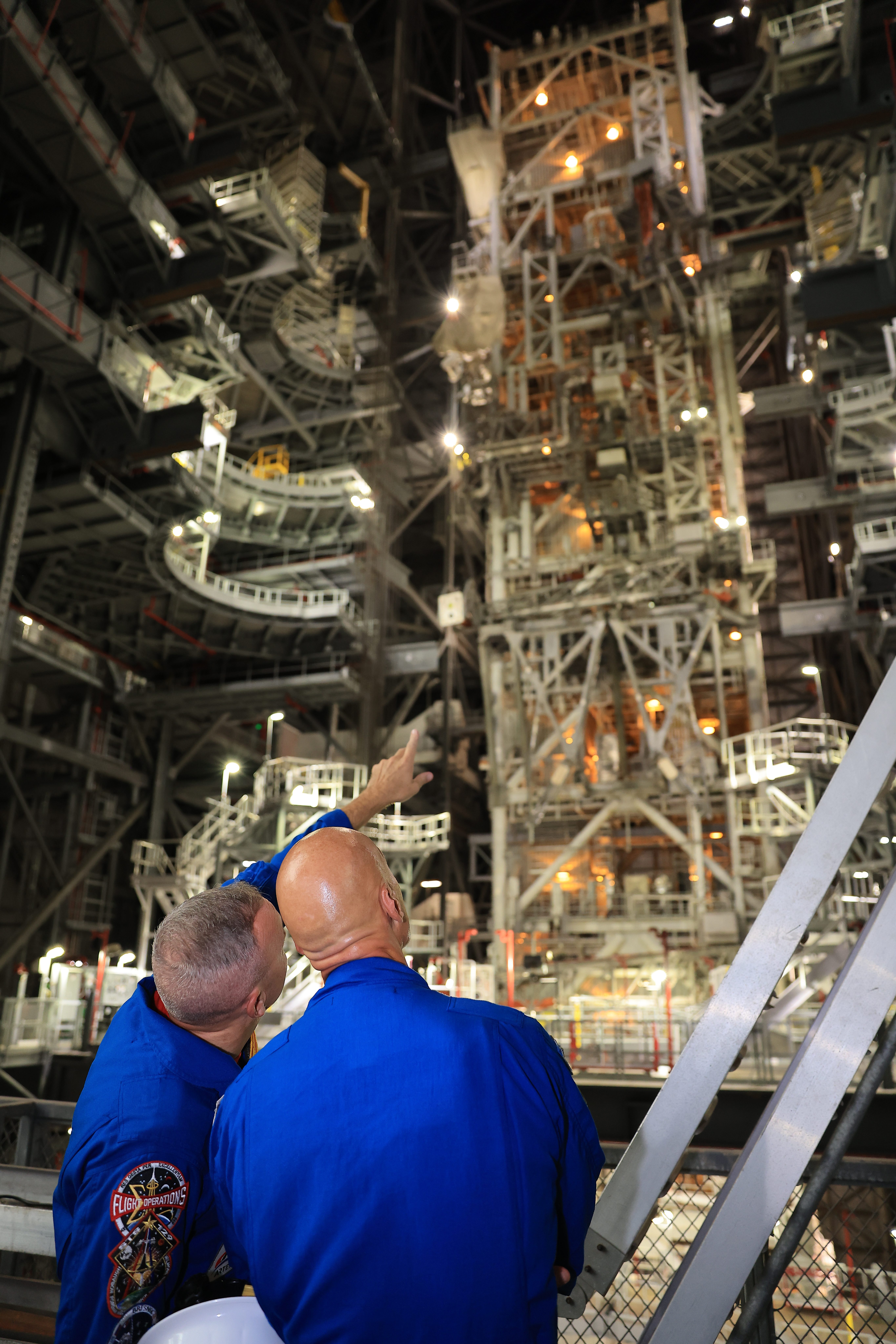
Two people in blue flight suits look upward at a tall, complex structure made of pipes, scaffolding, and machinery.
NASA/Kim Shiflett

NASA astronaut Randy Bresnik (left) and ESA (European Space Agency) astronaut Luca Parmitano view progress on the solid rocket booster integration in High Bay 3 inside the Vehicle Assembly Building at NASA’s Kennedy Space Center in Florida on Wednesday, Sept. 2, 2026.

Bresnik, Parmitano, and NASA astronauts Andre Douglas, Frank Rubio, and Bob Hines made the first visit to Kennedy by the entire crew and backup crew members of the Artemis III mission. Artemis III will launch four crew members aboard the Orion spacecraft to carry out a series of objectives in low Earth orbit designed to demonstrate critical systems needed for future lunar landings, beginning with Artemis IV.

Image credit: NASA/Kim Shiflett

Source: www.nasa.gov
Celebrate International Observe the Moon Night with NASA

In April, the world watched as four humans circled the Moon for the first time in over 50 years with NASA’s Artemis II mission. On Saturday, Sept. 19, the public is invited to look up again with NASA events across the country, including the International Observe the Moon Night celebration held at NASA’s Goddard Space Flight Center Visitor Center in Greenbelt, Maryland.

Graphic advertising International Observe the Moon Night.
This year, NASA will celebrate International Observe the Moon Night with people around the world on Sept. 19.
NASA/Vi Nguyen

International Observe the Moon Night is an annual celebration that brings people together to learn about the Moon and explore our connection to Earth’s nearest celestial neighbor. Since the program began in 2010, people around the world have participated through lunar observations, hands-on activities, artwork, music, and more.
 
At NASA Goddard, this year’s celebration will highlight the agency’s ongoing exploration of the Moon, including the historic Artemis II mission. Visitors can peer behind the scenes to learn more about what it took to make Artemis II’s journey around the Moon a success and discover how Goddard scientists and engineers are helping advance our understanding of the Moon, solar system, and beyond.
 
The event will run from 6 p.m. to 9 p.m. EDT.
 
Throughout the event at NASA Goddard, visitors can take part in interactive hands-on activities, create artwork and crafts, and capture selfies at a photo kiosk. Telescopes will also be set up outside (depending on weather), giving attendees an opportunity to observe the Moon and other astronomical objects up close. Inside the Visitor Center, guests can even see a real Apollo 14 Moon rock on display.

  • At 6:30 p.m., Dr. Amanda Nahm, planetary scientist at NASA Headquarters, will explore the lunar science and Moon joy from Artemis II.
  • At 7:30 p.m., Ernie Wright, scientific visualizer at NASA Goddard, will offer a more technical look at how scientists use real data to create videos and visualizations of the Moon.
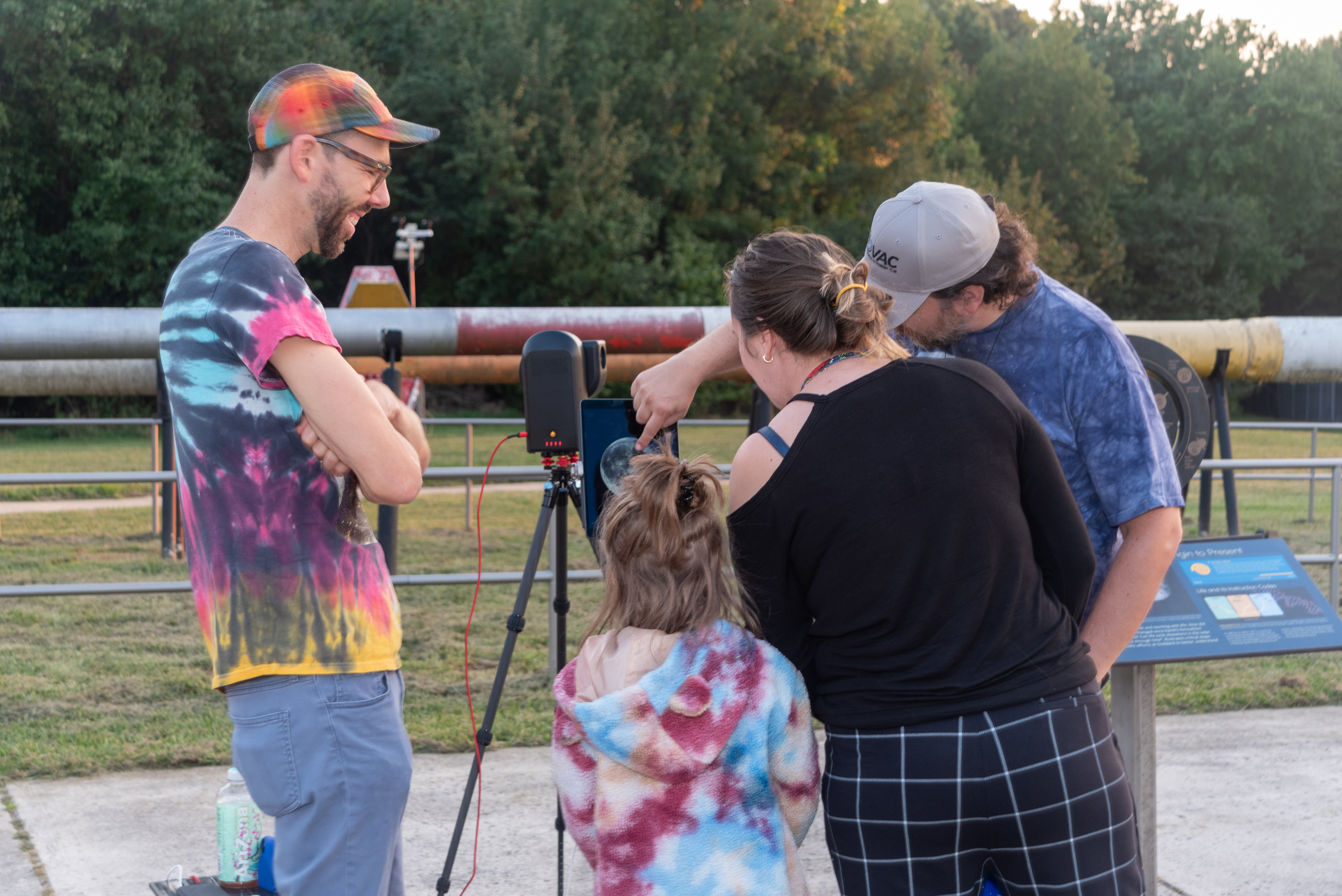
A child and two adults look at a tablet screen with a telescope’s display showing the full Moon. Another person stands to the left, smiling and looking on.
A family observes the Moon through a telescope at NASA’s Goddard Space Flight Center in Greenbelt, Md. during the International Observe the Moon Night celebration on Saturday, Sept. 14, 2024.
NASA/Britt Griswold

The event will also offer a chance to learn more about the groundbreaking research happening at NASA Goddard as scientists work to unlock the secrets of the Moon with missions like the Lunar Reconnaissance Orbiter (LRO) and explore our solar system and the universe beyond.
 
International Observe the Moon Night at Goddard is free and family friendly. Registration is not required, although registering in advance will help the Visitor Center team plan for the event. The event will take place rain or shine, and free parking is available at the Visitor Center.
 
Additional event details, including registration, accessibility and other logistics: https://www.nasa.gov/goddard/visitor-center/events-and-programs/.
 
For people who cannot travel to Greenbelt, there are opportunities to participate in International Observe the Moon Night from all around the planet. Join lunar observers around the world by observing the Moon with friends and family, attending a virtual event or finding an event in your area. Learn more and register your participation at go.nasa.gov/ObserveTheMoon.
 
International Observe the Moon Night is sponsored by NASA’s LRO mission and the Solar System Exploration Division of NASA’s Goddard Space Flight Center, with support from many partners. The celebration is a way for people to pause and look up at our future destination, as NASA prepares for deep space missions to the Moon and beyond.
 
To learn about NASA’s Artemis program, visit:
https://www.nasa.gov/artemis
 
To learn about LRO, visit:
https://www.nasa.gov/lro

Source: www.nasa.gov
NASA Invites Media to International Observe the Moon Night

NASA will host an International Observe the Moon Night celebration from 5:30 to 8 p.m. CST on Saturday, Sept. 19, at the U.S. Space & Rocket Center, the official visitor center for NASA’s Marshall Space Flight Center in Huntsville, Alabama.

International Observe the Moon Night celebrates the Moon, the science behind it, and its connection to space exploration and human culture. NASA’s free public event will include agency experts delivering talks on lunar science and exploration and highlighting lunar observations made by the Artemis II crew in April.

Media interested in covering the event should confirm their attendance with Joel Wallace, [email protected], in the NASA Marshall newsroom by 3 p.m., Friday, Sept. 18. Media must report to the Davidson Center to participate in the event. Visitor parking is available at the U.S. Space & Rocket Center.

NASA will have opportunities for media to capture visuals and interview agency experts. Activities available for coverage include hands-on STEM activities, a science stage show, an event photo booth, and face-painting.

The event also features Janet Ivey, the host of the television children’s series, “Janet’s Planet.” The Von Braun Astronomical Society will be on-site with telescopes, providing attendees with guided tours of the Moon, planets, and other celestial objects.

The evening is presented by the Planetary Missions Program Office at NASA Marshall.

For more information about International Observe the Moon Night, visit:

https://science.nasa.gov/moon/observe-the-moon-night/overview

Joel Wallace

Marshall Space Flight Center, Huntsville, Ala

256-786-0117

[email protected]

Details

Last Updated

Sep 15, 2026

Editor
Lee Mohon
Contact

Source: www.nasa.gov
New Crops, Health Research Proposals to Help NASA Advance Exploration

NASA has selected 12 new investigations to help support human explorers in space. Six will help advance the ability to produce food off-planet, while another six advance the understanding of how unique conditions associated with space exploration can impact the health and physiology of astronauts.  

The six food-focused investigations, supported by the agency’s Space Crops grants, advance NASA’s goal of harnessing the power of plants to enhance quality of life for humans in space, as well as to enable lunar and Mars exploration. Four of the space crops proposals focus on studies of edible plants and how their growth, physiology, and associated microbial communities are affected by environmental conditions in space or on other planetary bodies.

Another proposal involves understanding mechanisms by which certain plant species, called resurrection plants, can withstand extreme, dry conditions. The last space crops proposal builds on previous studies on the International Space Station to uncover functions of algal genes, segments of DNA controlling algae survival, whose expression is modified by spaceflight. Such studies can help scientists integrate biological-based solutions into space life-support systems.

The second set of six proposals fall under the agency’s Biological and Physical Sciences Division’s focus on precision health, which seeks to unravel the mechanisms by which space exploration affects health and well-being. One proposal studies how lunar dust exposure impacts respiratory, immune, and inflammation responses.  A second proposal identifies repurposed drugs that can mitigate the effects space travel has on health and physiology.

Two more of the research proposals look at how radiation combined with other stressors affects age-relevant characteristics seen in various organ and physiological systems. The final two proposals assess molecular and cellular changes induced by stressors in space that can alter gene expression or protein function. The research will identify ways to mitigate health issues and develop early-warning detection systems to notify crew of potential concerns.

The principal investigators who conduct the space biology studies come from 10 institutions across eight states. Nine of the awards are for investigators who are receiving funding from the Space Biology Program for the first time.

Selected Space Crops Investigations

  • Jannell Bazurto, University of Minnesota
    Cultivating the Cosmos: Investigating Plant-Microbe Dynamics for Sustainable Space Farming
  • Miranda Haus, Michigan State University
    Investigating Legume Crop Rotations and Microbial Interactions in Regolith Simulants
  • Andrew Settles, NASA Ames Research Center
    Genetic Mitigation of Spaceflight Stressors on Production of Chlamydomonas
  • Christopher Taylor, Ohio State University
    Hydroponic Microbes in a Low Carbon, High-Radiation Environment; Identifying the Genetic Determinants of Water- and Plant-Associated Microbial Survival in Extraterrestrial Environments
  • Robert VanBuren, Michigan State University
    Leveraging the Natural Resilience of Resurrection Plants for Space Bioregenerative Systems
  • Shuyang Zhen, Texas A&M AgriLife Research
    Environmental Optimization and Cultivar Selection to Enhance Dwarf Tomato Growth and Stress Tolerance for Space Agriculture

Selected Precision Health Investigations

  • Archana Dhasarathy, University of North Dakota
    Epigenetic Memory as an Adaptive Mechanism to Microgravity and Radiation Exposure
  • Andrij Holian, University of Montana
    Contribution of Aging to Particle-Induced Chronic Inflammation
  • Mert Gur, University of Pittsburgh
    Probing Pathogenic Mutations Under Spaceflight-Relevant Stressors Via All-Atom Molecular Dynamics Simulations
  • Grace O’Connell, University of California
    Persistent Spine Health Impacts of Microgravity and Radiation Following Recovery
  • Satoshi Okawa, University of Pittsburgh
    Investigating Space Flight-Induced Brain-Heart Axis Aging and Identifying Repurposed Drugs to Mitigate Its Effects
  • Sanghee Yun, Ph.D., The Children’s Hospital of Philadelphia
    Spaceflight-Relevant Hypercapnia Effects on Space Radiation- and Social Isolation-Induced Biological Aging: A Systems Biology Analysis of Multiple Aging Hallmarks

When fully implemented, more than $7 million in grant money will be awarded throughout fiscal years 2026-2030. These awards were made in response to research proposals submitted to ROSES-2024: Program Element E.9: Space Biology Research Studies (NNH24ZDA001N-SBR).

To learn more about NASA’s biological and physical research in space, visit: https://science.nasa.gov/biological-physical/

Biological & Physical Sciences Division

  • NASA’s Biological and Physical Sciences Division pioneers scientific discovery and enables exploration by using space environments to conduct investigations not possible on Earth. Studying biological and physical phenomenon under extreme conditions allows researchers to advance the fundamental scientific knowledge required to go farther and stay longer in space, while also benefitting life on Earth.

Source: science.nasa.gov

APOD: 2026 September 14 – Where Your Elements Came From

APOD

Astronomy Picture of the Day

Discover the cosmos! Each day a different image or photograph of our fascinating universe is featured, along with a brief explanation written by a professional astronomer.

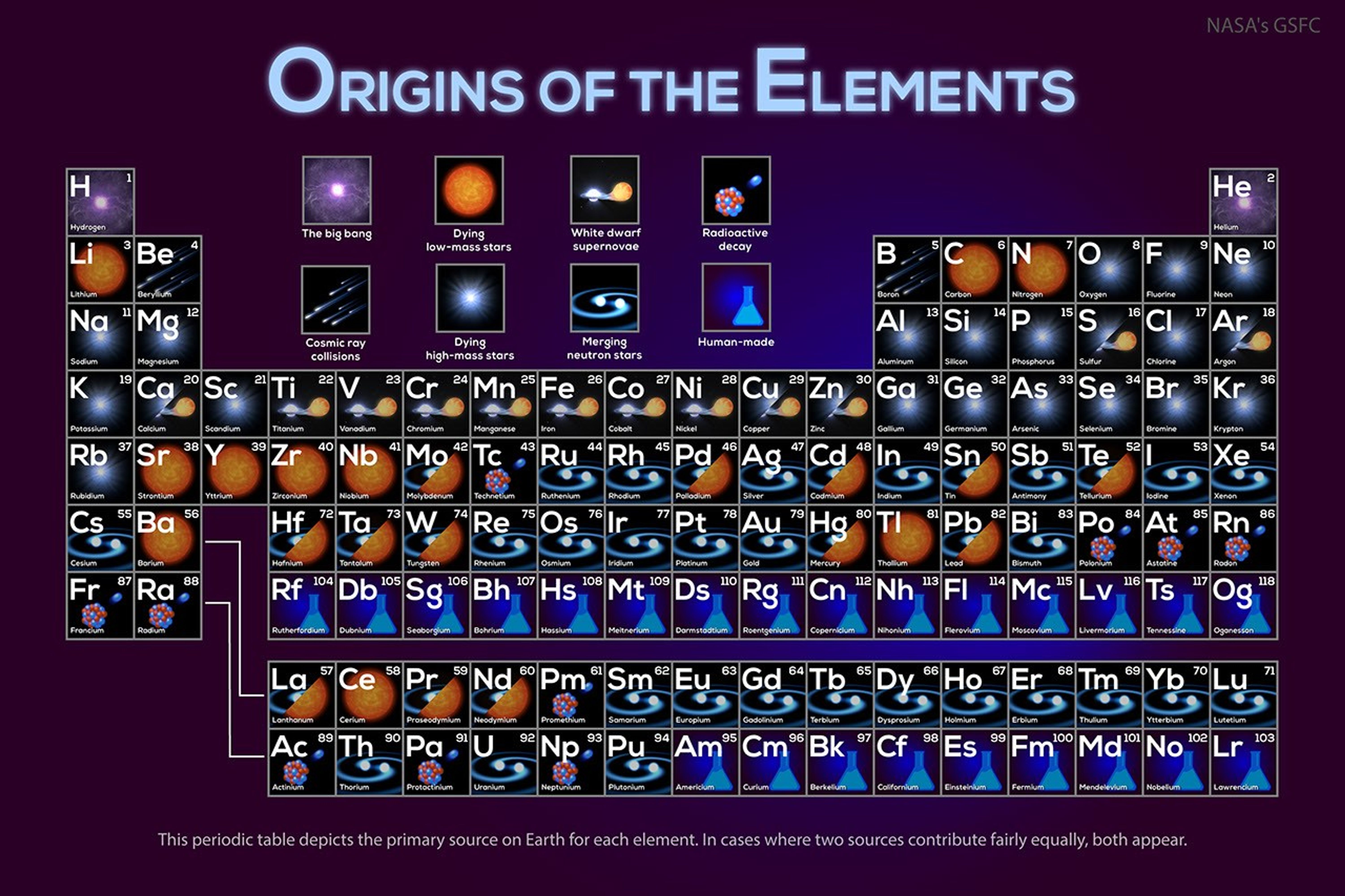
A table with each entry being a separate element. The entries depict where each element comes from (i.e., the big bang, stellar deaths, etc).

Where Your Elements Came From

Explanation: The hydrogen in your body and present in every molecule of water came from the Big Bang. There are no other appreciable sources of hydrogen in the universe. The carbon in your body was made by nuclear fusion in the interior of stars, as was the oxygen. Much of the iron in your body was made during supernovas of stars that occurred long ago and far away. The gold in your jewelry was likely made from neutron stars during collisions that may have been visible as short-duration gamma-ray bursts or gravitational wave events. Elements like phosphorus and copper are present in our bodies in only small amounts but are essential to the functioning of all known life. The featured periodic table is color coded to indicate humanity‘s best guess as to the nuclear origin of all known elements. The sites of nuclear creation of some elements, such as copper, are not really well known and are continuing topics of observational and computational research.

APOD’s main NASA site is moving: From apod.nasa.gov to science.nasa.gov/apod

Tomorrow’s picture: Sun triple

Date: September 14, 2026
Credit: NASA GSFC‘s SVS
Authors & editors: Robert Nemiroff, Jerry Bonnell, Cecilia Chirenti, Keighley Rockcliffe
A service of: ASD at NASA / GSFC,
NASA Science Activation & Michigan Tech. U.

Source: science.nasa.gov

Summer Training: Catching Up With NASA’s Astronaut Candidates

3 min read

Preparations for Next Moonwalk Simulations Underway (and Underwater)

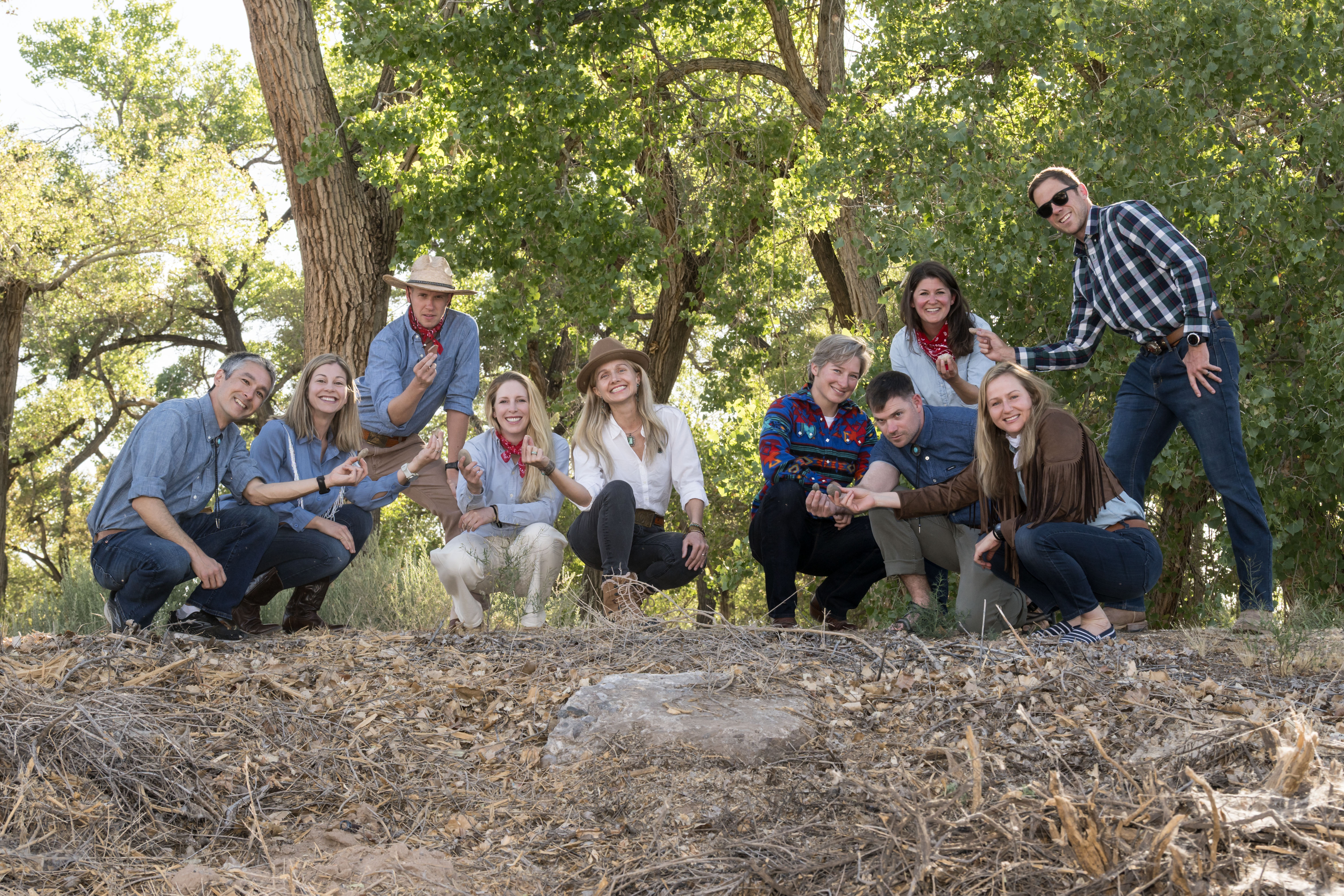
A group of 10 men and women wearing assorted jeans and button-down shirts hold up rock samples, with a forest in the background.
The members of NASA’s 2025 Astronaut Candidate Class pose with rock samples collected during their geology training at the Rio Grande del Norte National Monument, New Mexico, in May 2026.
NASA/Helen Arase Vargas

Did you spend part of your summer camping, hiking, at the pool, or in an aircraft? So did NASA’s 2025 Astronaut Candidate Class.

The 10 candidates have been working their way through a comprehensive and rigorous training program since the agency introduced them to the public on Sept. 22, 2025, from NASA’s Johnson Space Center in Houston. They are approximately halfway through the nearly two-year training program, which will equip them for missions to low Earth orbit, the Moon, and ultimately, Mars.

Geology Studies

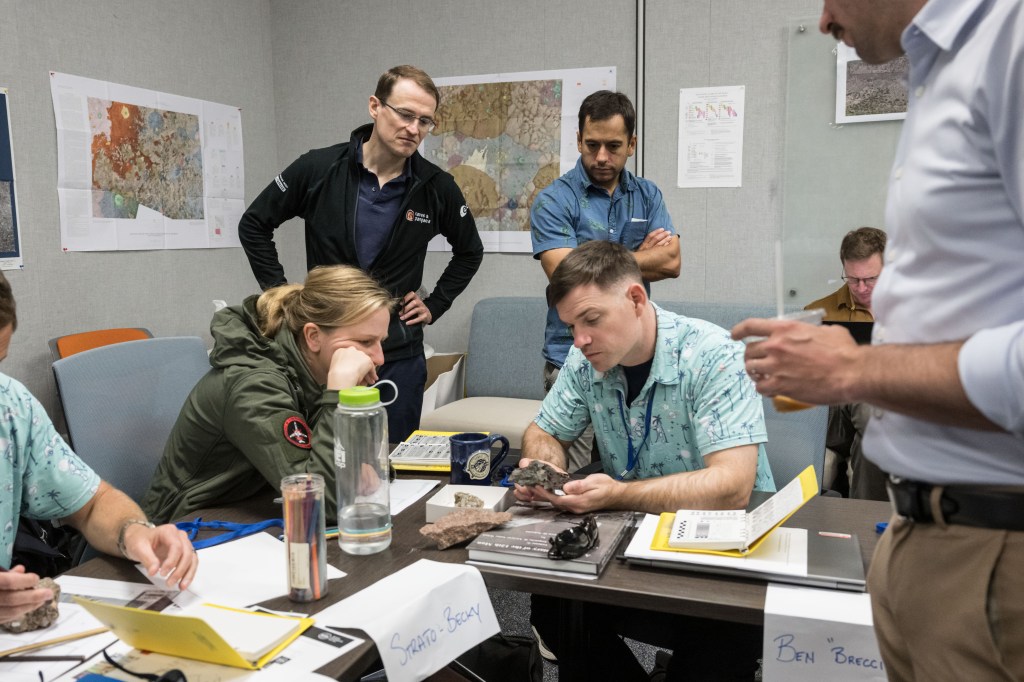
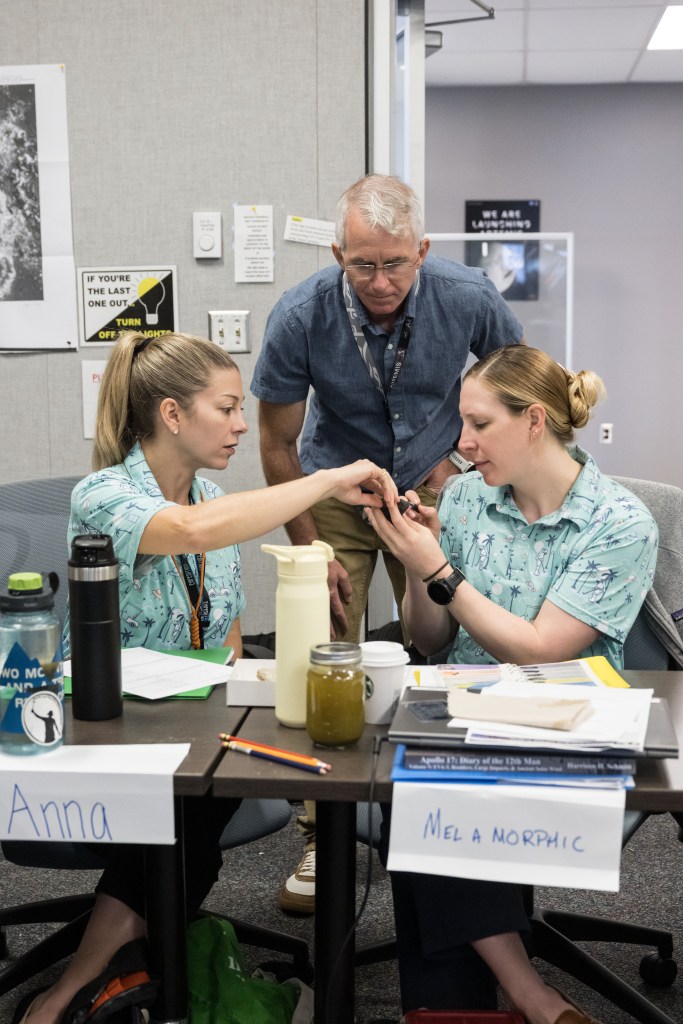
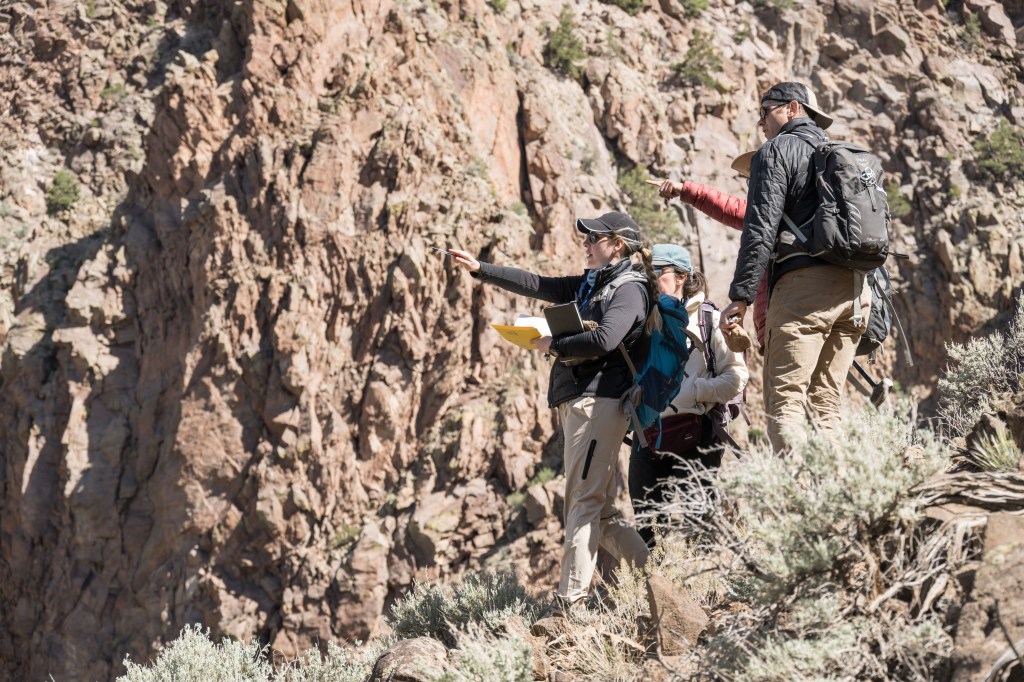
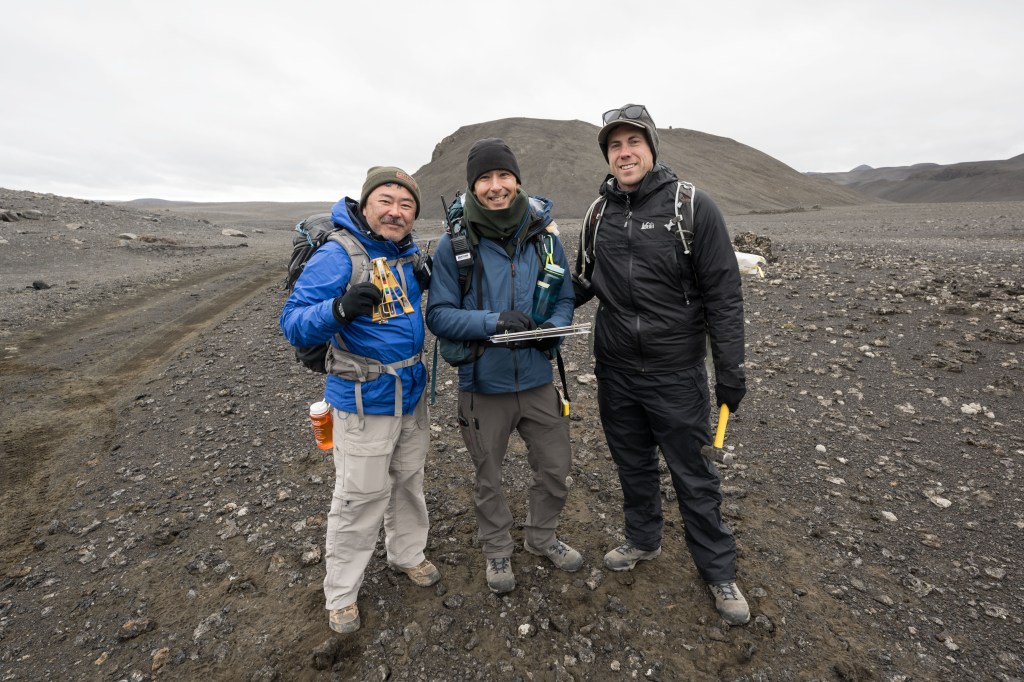
Since the astronaut candidates can one day be assigned to a future Artemis mission to the lunar surface, geology courses are an important part of their training. In May, candidates completed classroom trainings at Johnson before venturing to the Rio Grande del Norte National Monument in New Mexico for additional classroom instruction and training in the field. Several candidates also joined NASA astronauts and Artemis mission support teams for geology field training in Iceland in July. They practiced geologic observations, sampling with tools, navigation, and teamwork, all skills and processes that translate directly to Artemis lunar missions.

Flight Training

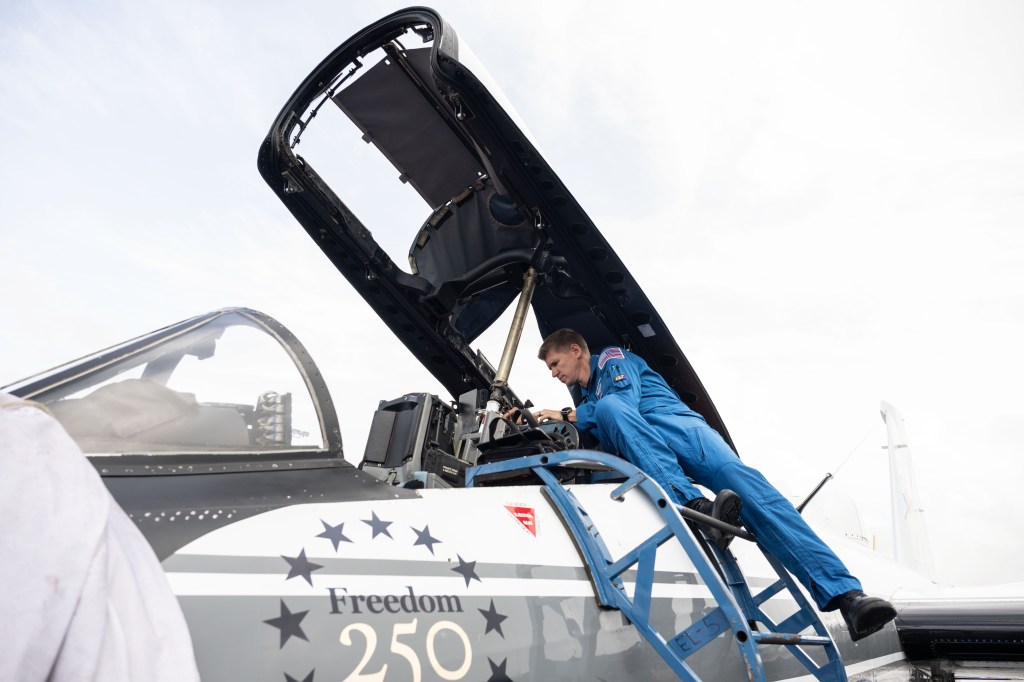
Whether learning to become a pilot or sharpening their existing piloting skills, astronaut candidates train in aircraft to build confidence, coordination, adaptability, and resilience in high-stakes environments. This summer, that training included flights on NASA’s WB-57s – a trio of long-range, high-altitude airplanes that have flown research missions since the 1960s. The class also began flying NASA’s T-38 supersonic jets.

Altitude Chamber Runs

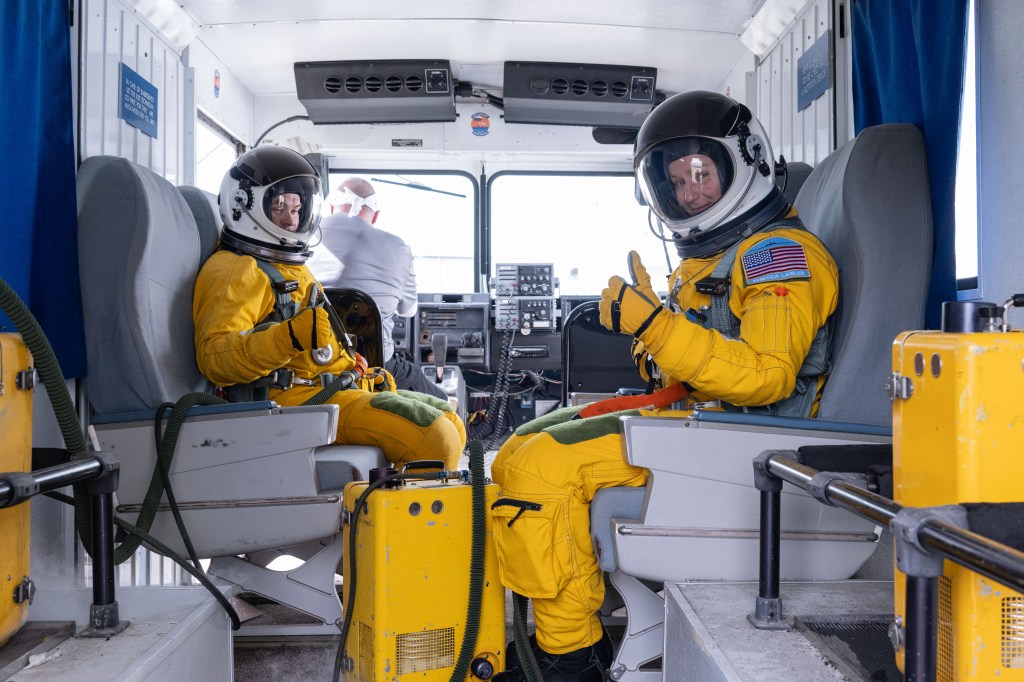
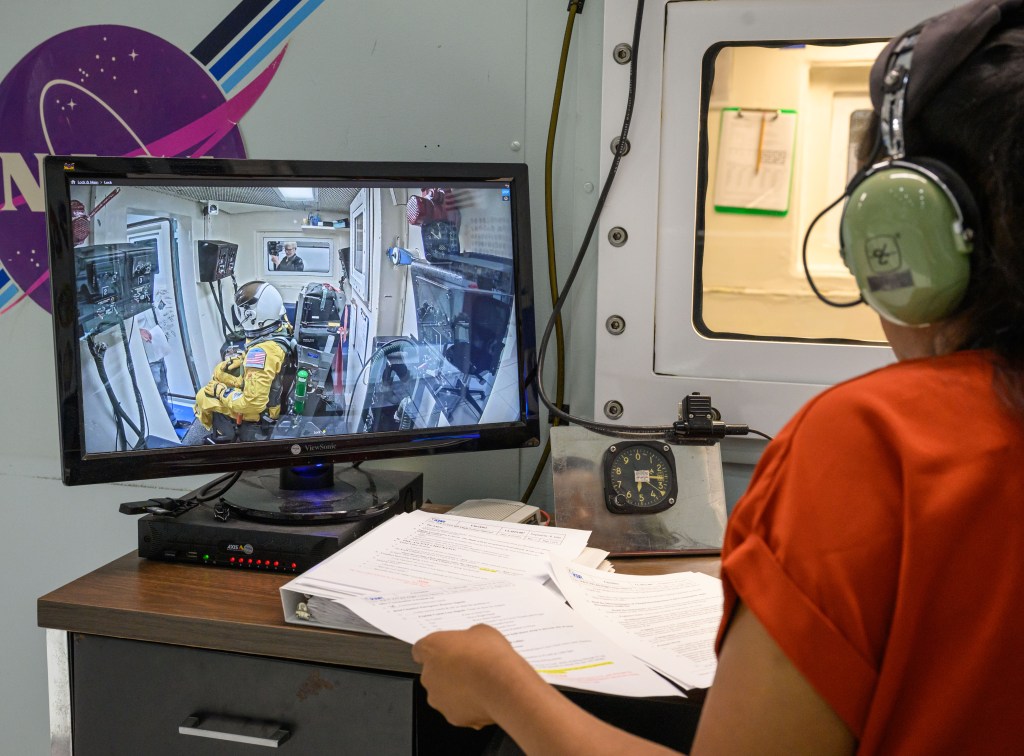
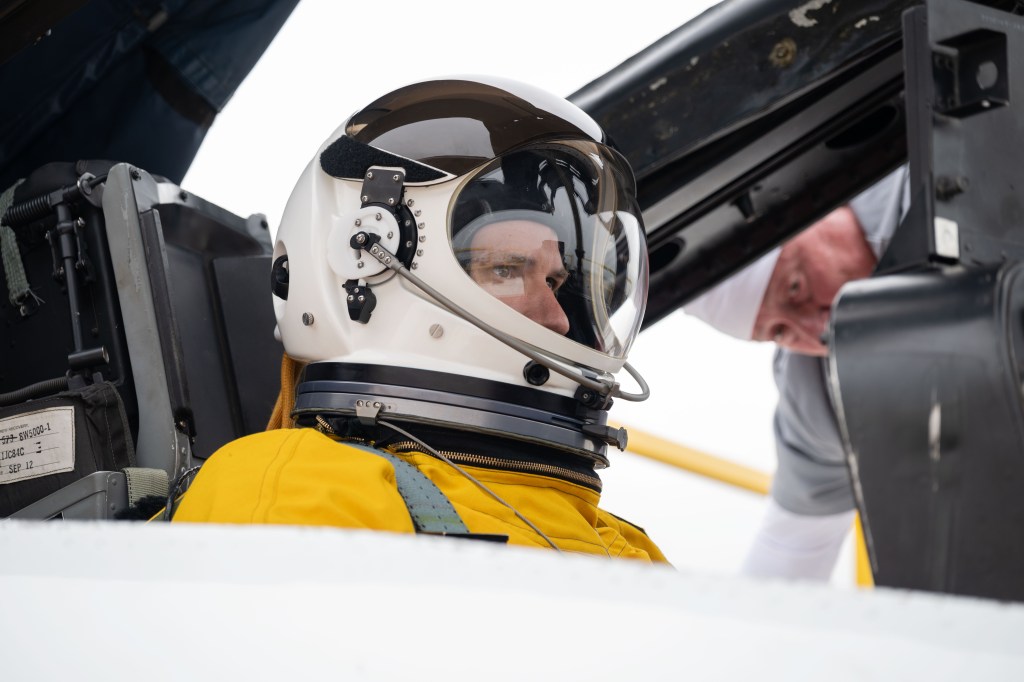
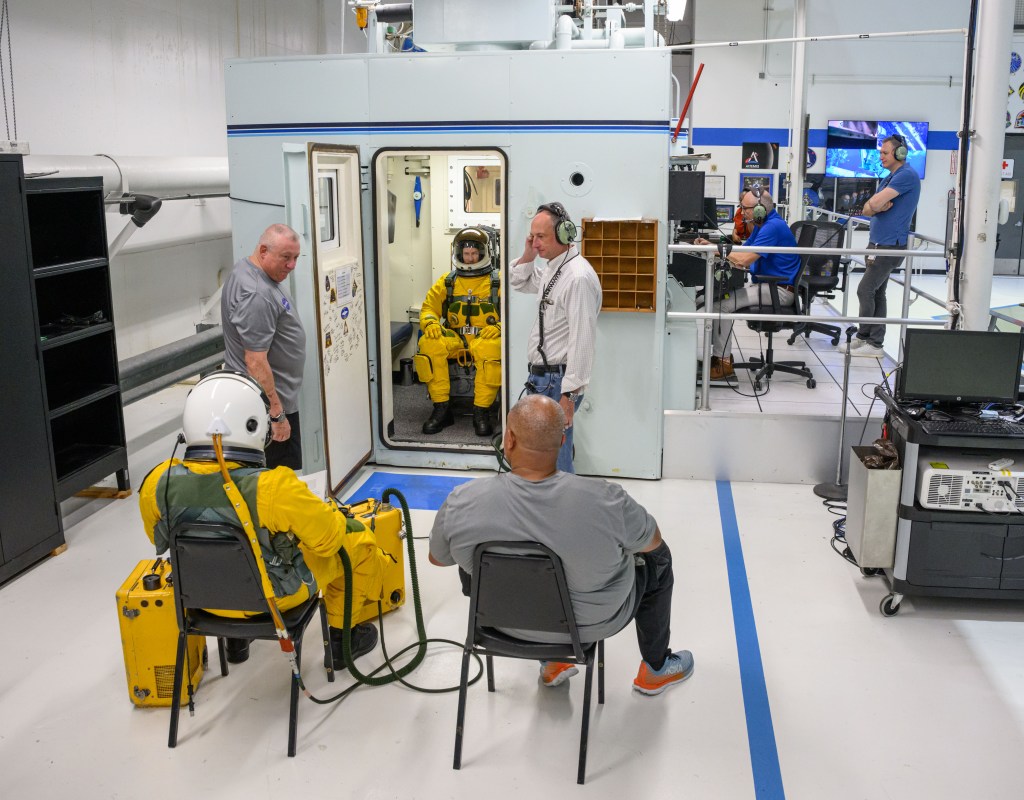
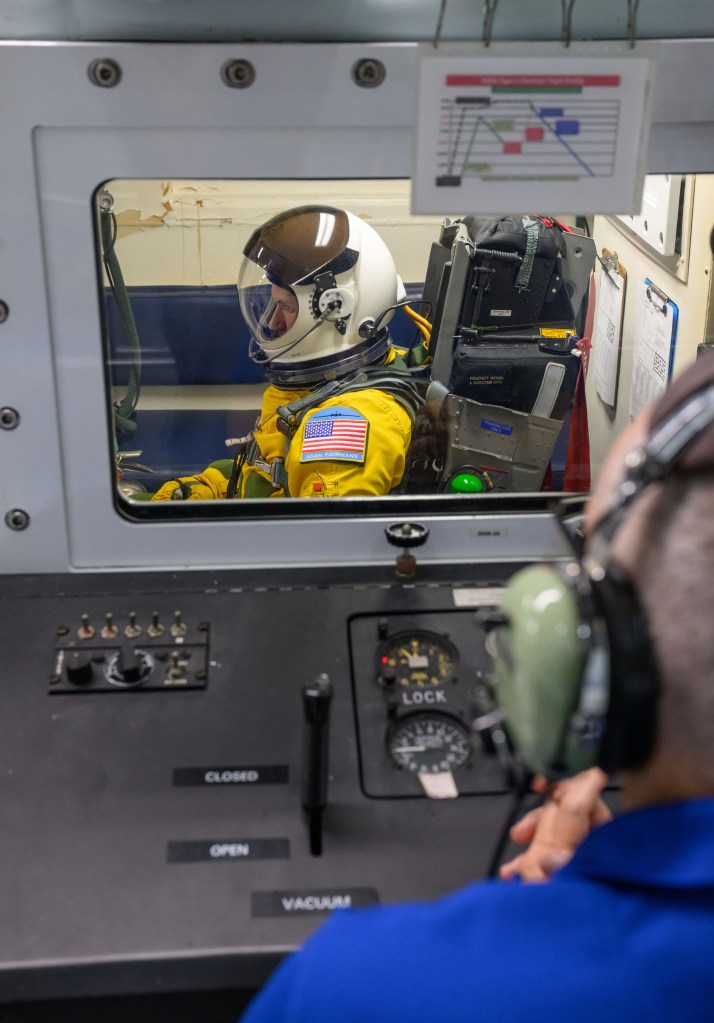
Candidates have also spent time in one of Johnson’s altitude chambers as part of their flight training. These unique facilities allow NASA to simulate physical pressure levels ranging from those at sea level to near vacuum. After donning flight suits and helmets, candidates enter the chamber to familiarize themselves with the conditions they will face on high-altitude flights and in space, and to practice different protocols and interventions designed to keep them safe.

Water Survival Training

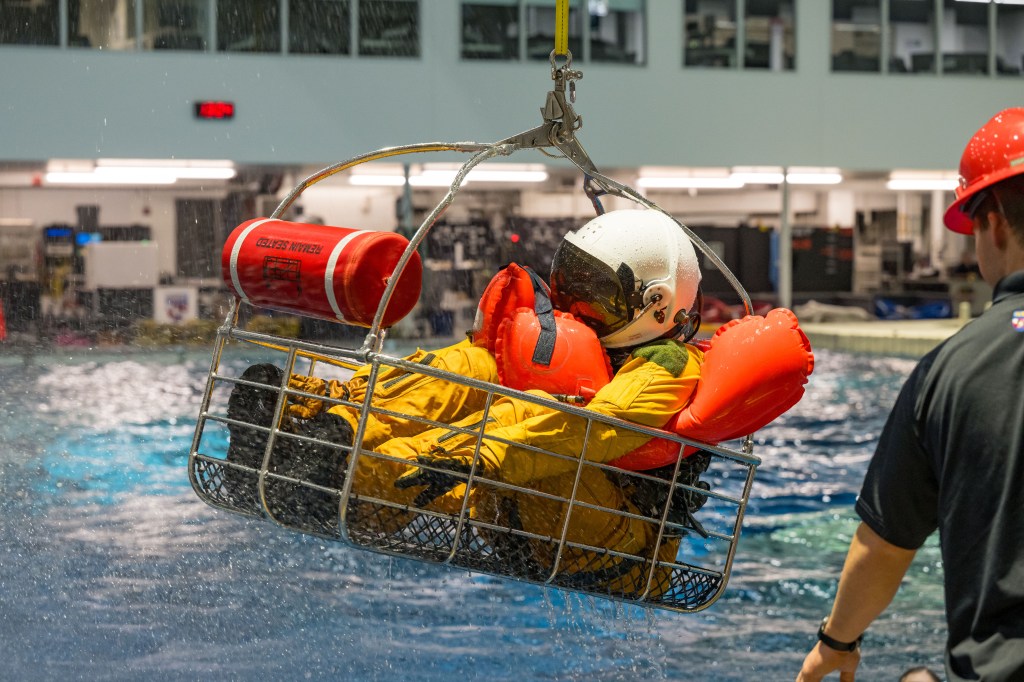
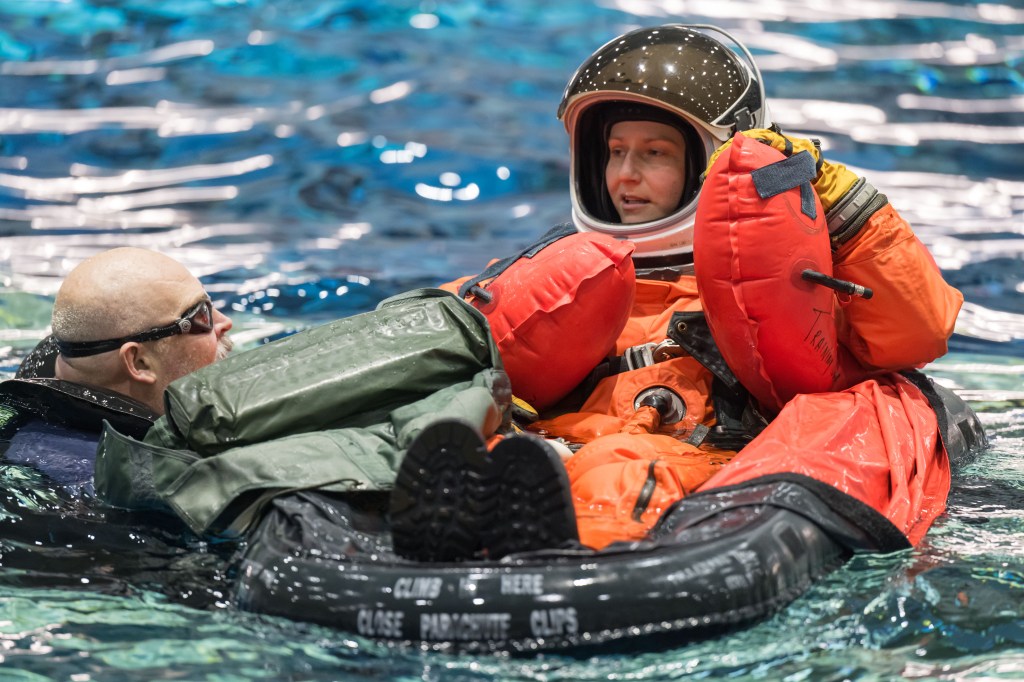
Candidates continued survival training to prepare for the unlikely event of landing in remote environments after a mission. Water survival exercises in Johnson’s Neutral Buoyancy Laboratory, or NBL, simulate these scenarios while also building teamwork and decision-making skills.

On top of these exercises, candidates are completing intensive Russian language classes and cross-cultural training to prepare for missions spanning countries and continents. They are learning to operate spacecraft systems used in human spaceflight missions, conducting spacewalk training at the NBL, and training inside other mockups of space vehicles. They are also learning emergency procedures, maintenance, and repair of spacecraft.

The class is on track to graduate in 2027, when they will join NASA’s active astronaut corps and await their first flight assignments. Whether they go on to contribute to research taking place aboard the International Space Station or venture to the Moon to prepare for future Mars missions, the graduates will have the operational expertise, scientific knowledge, and technical background necessary to advance NASA’s deep space exploration goals and sustain a long-term human presence beyond low Earth orbit.

About the Author

Linda E. Grimm

Linda E. Grimm

Details

Last Updated

Sep 10, 2026

Source: www.nasa.gov