NASA to Host News Conference Previewing US Spacewalks 100, 101

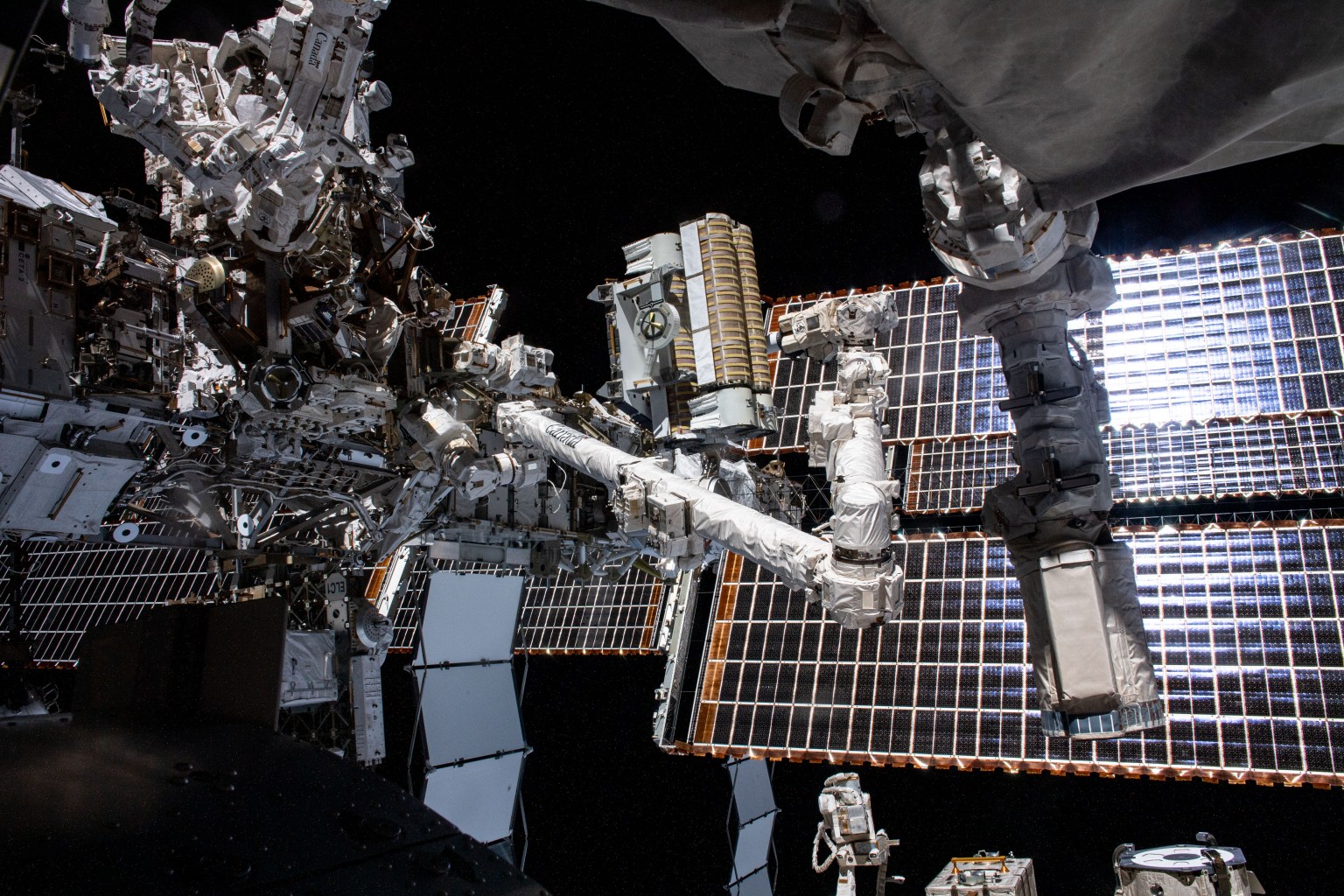
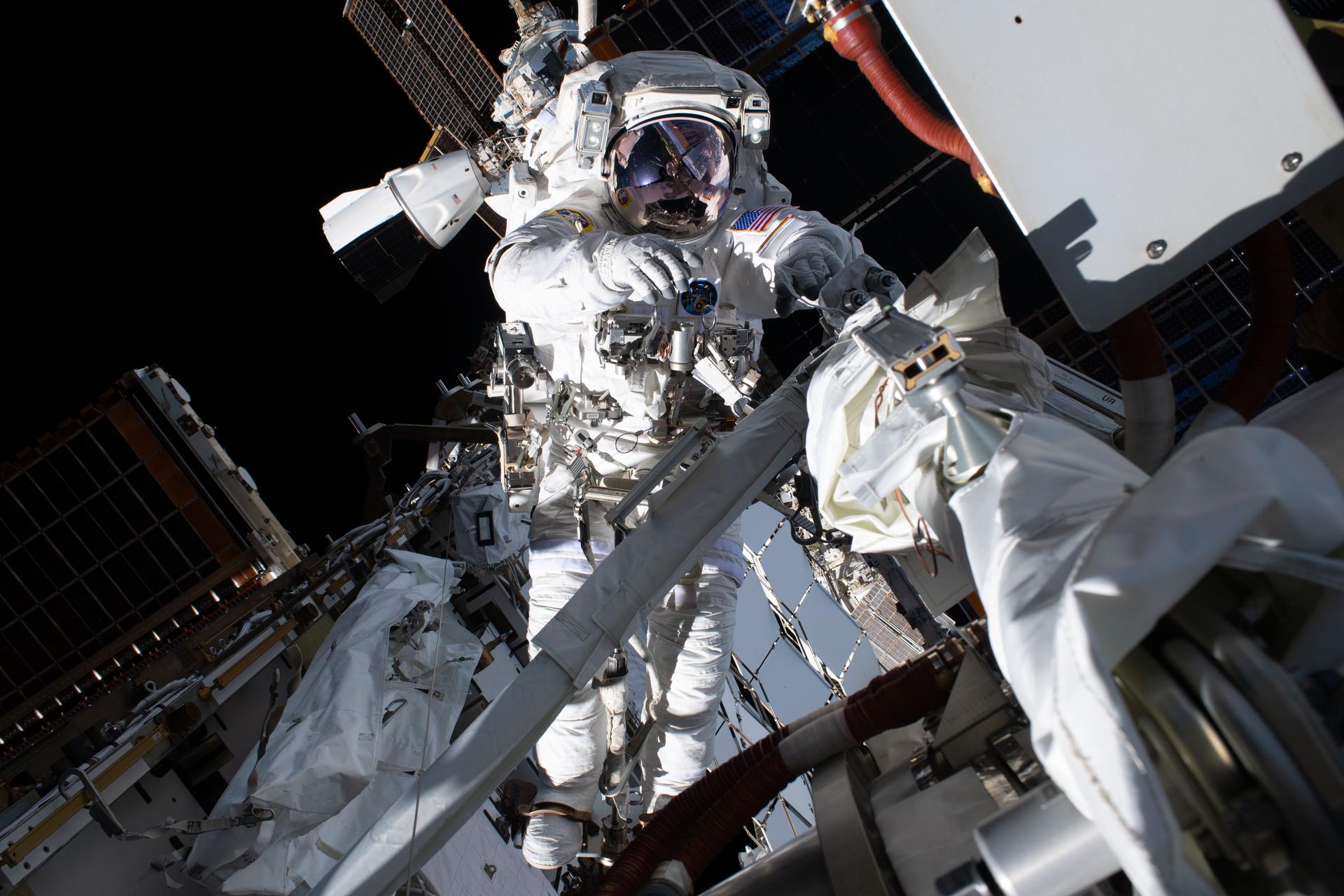
NASA astronaut and Expedition 75 flight engineer Anil Menon conducts a spacewalk to prepare the International Space Station for future upgrades to its power system. Menon helped build a modification kit on the station’s Starboard 6 truss segment where a roll out solar array is slated to be installed later this year.
NASA astronaut Anil Menon conducts a spacewalk on Aug. 6, 2026, to prepare the International Space Station for future upgrades to its power system.
Credit: NASA

NASA will preview two upcoming spacewalks to complete solar array installation and power augmentation of the International Space Station during a news conference at 2 p.m. EDT, Tuesday, Oct. 20, from NASA’s Johnson Space Center in Houston.

NASA will stream the event through a variety of platforms. Learn where to watch online:

https://www.nasa.gov/live

NASA participants in the news conference include:

  • Gaurang Patel, operations integration manager, Low Earth Orbit Program
  • Garrett Hehn, spacewalk flight director, Flight Operations Directorate

United States-based media interested in attending in person must contact the Johnson newsroom no later than 3 p.m., Monday, Oct. 19, at: [email protected]. Media joining by phone should request dial-in details by the same deadline. To ask a question, media must dial in no later than 15 minutes before the start of the news conference.

Thursday, Oct. 29

During U.S. spacewalk 100, NASA astronaut Anil Menon and CSA (Canadian Space Agency) astronaut Joshua Kutryk will exit the station’s Quest airlock to install and deploy an International Space Station Roll-Out Solar Array (IROSA) on the 2A electrical power channel. The solar array will be the seventh IROSA and will provide additional power to support critical station operations, including its safe and controlled deorbit.

Thursday, Nov. 5

During U.S. spacewalk 101, Menon and Kutryk will install and deploy the eighth and final IROSA on the 3B channel of the space station, completing the power augmentation upgrades.

The final two roll-out solar arrays will complete the space station’s power system augmentation. Together, the eight roll-out arrays will increase available power by up to 30%, boosting the station’s electric power generation capacity from 160 kilowatts to approximately 215 kilowatts.

NASA will share additional coverage details about U.S. spacewalks 100 and 101 closer to each operation on the agency’s live events web page and the space station blog. The spacewalks will be the 285th and 286th conducted in support of space station assembly, maintenance, and upgrades.

To learn more about International Space Station research, operations, and its crews, visit:

https://www.nasa.gov/station

-end-

Joshua Finch / Jimi Russell
Headquarters, Washington
202-358-1100
[email protected] / [email protected]

Sandra Jones / Anna Schneider
Johnson Space Center, Houston
281-483-5111
[email protected] / [email protected]

Source: www.nasa.gov
NASA to Conduct Low-Altitude Flights Over Texas Farmland

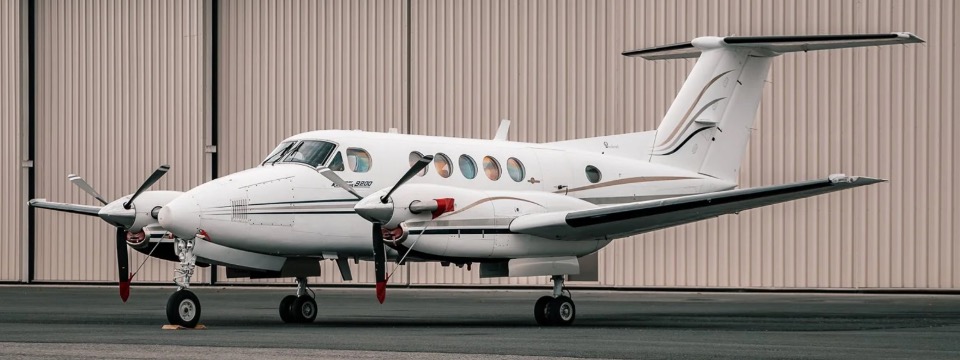
A NASA Dynamic Aviation A200 aircraft will conduct low-flying research flights over farmland near Transit, Texas, from Thursday, Oct. 22, through Monday, Nov. 9. These flights will measure gaseous and particulate emissions from animal feeding operations.

A two engine aircraft sitting in front of a hangar.
A photo of the Dynamic Aviation A200 aircraft, which will conduct low-flying research flights over farmland near Transit, Texas, to measure emissions in October and November 2026.
Dynamic Aviation

Agricultural emissions represent an important and understudied part of Earth’s land and atmosphere systems. The FarmFlux mission will deploy more than a dozen sensors to measure ozone, methane, ammonia, particulates, and other pollutants rising from crop lands and livestock farms and their interaction with the Earth’s atmosphere. The mission is jointly led by NASA’s Goddard Space Flight Center in Greenbelt, Maryland; Colorado State University; and Boston University.

Additional low-altitude research flights with a NASA P-3 Orion aircraft are scheduled for the March to July 2027 growing season in the Midwest and California’s Central Valley with a focus on cropland.

For more information about the FarmFlux mission, visit:

https://science.nasa.gov/mission/evs-4/farm-flux/

By Sharon Teitelbaum

NASA’s Ames Research Center in California’s Silicon Valley

Source: www.nasa.gov
Rigorous Analysis Confirms NASA’s Artemis II Heat Shield Performance 

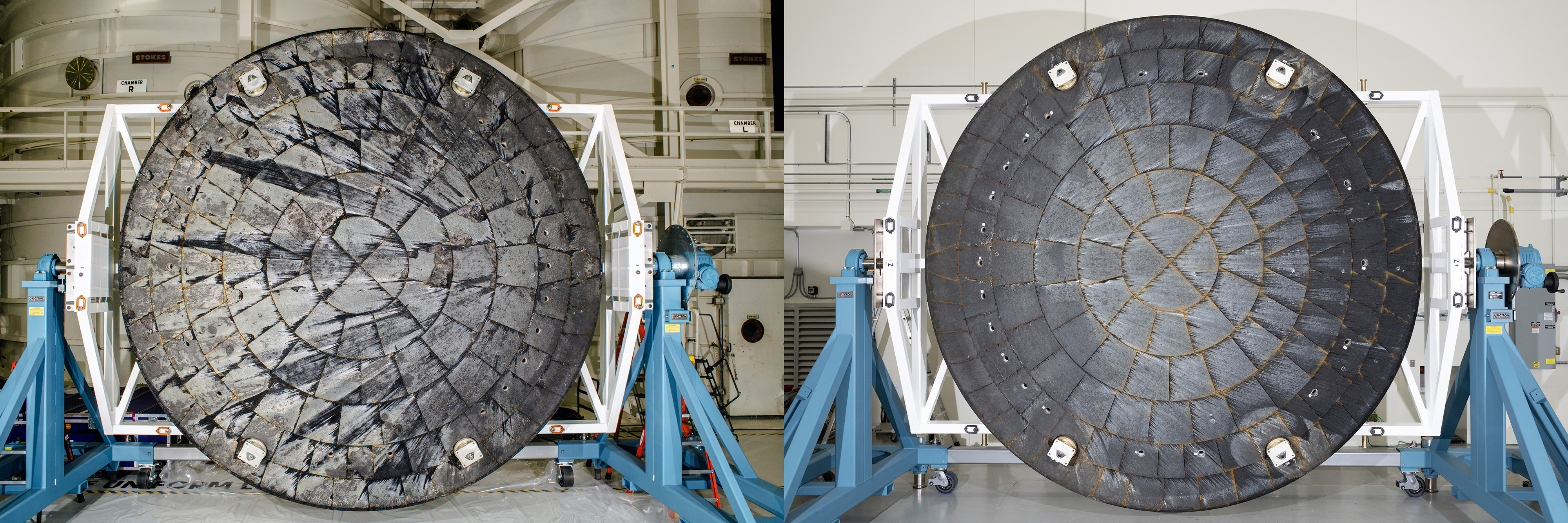
A post‑mission comparison of the Orion spacecraft heat shields from Artemis I (left) and Artemis II (right) are shown after removal from their crew modules. Both heat shields are seen rotated for inspection inside the Operations and Checkout Building at NASA’s Kennedy Space Center in Florida.
NASA

NASA’s Artemis II mission sent four astronauts around the Moon and brought them safely back to Earth, laying a foundation for crewed flights to the Moon’s surface.

Additional engineering data analysis of the Orion spacecraft’s heat shield confirmed initial data showing the heat shield performed as expected.  

In particular, NASA measured whether the thermal protection system effectively safeguarded the crew and Orion systems as the spacecraft reentered Earth’s atmosphere. This test flight was the first time astronauts flew aboard Orion. 

Orion reached a maximum velocity of 39 times the speed of sound and experienced external temperatures exceeding 4,000 degrees Fahrenheit at its peak, all while the four astronauts inside Orion stayed relatively cool with a cabin temperature in the mid-70 degree Fahrenheit range during their return to Earth from the Moon.  

After NASA’s thorough analysis of Artemis I heat shield findings, informed by extensive arc jet material testing at NASA’s Ames Research Center in California’s Silicon Valley, the agency modified Orion’s reentry trajectory for Artemis II by shortening the maximum downrange distance the spacecraft could fly between when it entered Earth’s atmosphere and splashed down in the Pacific Ocean. Analysis prior to the mission showed that limiting downrange distance would limit how long the spacecraft’s heat shield spent in the temperature range at which the Artemis I heat shield phenomenon occurred.  

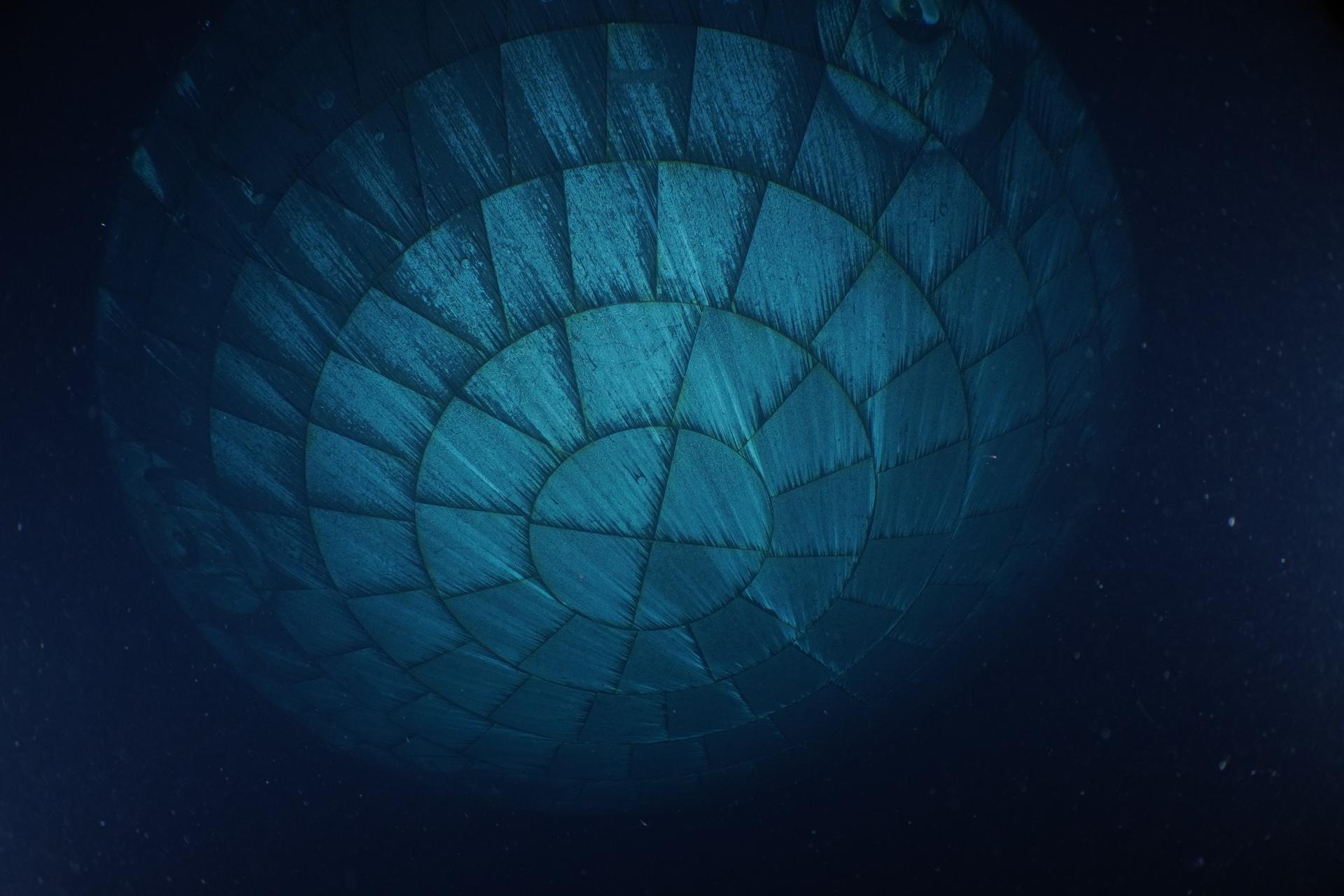
Shortly after Artemis II splashdown on April 10, 2026, U.S. Navy divers captured underwater imagery of the Orion spacecraft’s heat shield.
US Navy

The spacecraft reentered with precision, entering within only 192 feet of its targeted entry interface, and successfully splashed down only 0.59 miles from the predicted landing site off the coast of San Diego. Initial inspections of the thermal protection system, including diver imagery of the spacecraft’s heat shield taken just after splashdown and further inspections on the recovery ship, found it performed as expected, with a significant reduction in the amount of cracks and char loss as compared to Artemis I.  

Upon the spacecraft’s return to NASA’s Kennedy Space Center in Florida after the Moon mission, thermal protection system experts began additional examination of the heat shield, made of 186 unique blocks of an ablative material called Avcoat. The heat shield was then transported to NASA’s Marshall Space Flight Center in Huntsville, Alabama, where work on sample extraction and internal x-ray scans began in August to provide further engineering insight into the system and behavior of the material.

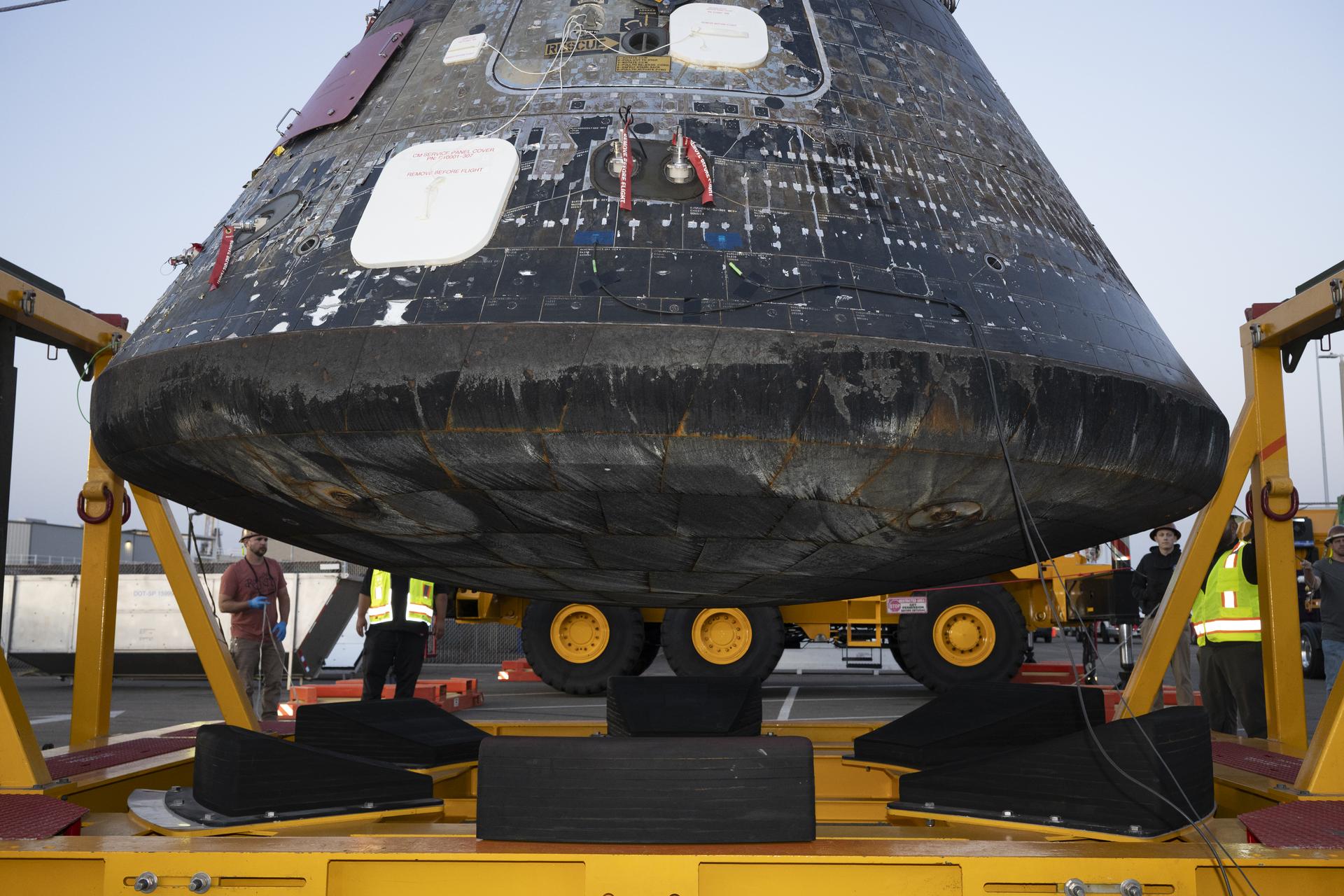
The Artemis II Orion crew module after being offloaded from the well deck of USS John P. Murtha at Naval Base San Diego and lifted from the Orion Recovery Cradle Assembly on April 18, 2026. The gray area, as seen on the edge where the spacecraft’s heat shield and the backshell meet, is from recovery operations.
NASA/Kevin Davis

A thorough post-flight assessment review found that Orion’s aerodynamic and aerothermal performance, including the heat shield and backshell thermal protection system, was in line with engineering predictions based on pre-flight analyses and ground testing. The shorter allowable down range during entry reduced the cracking and char loss experienced on the Artemis II heat shield relative to the Artemis I heat shield by a factor of ten, proving the effectiveness of the trajectory modification. Engineers found only nine spots of char loss of varying sizes on the Artemis II heat shield dish, compared to 103 during Artemis I. 

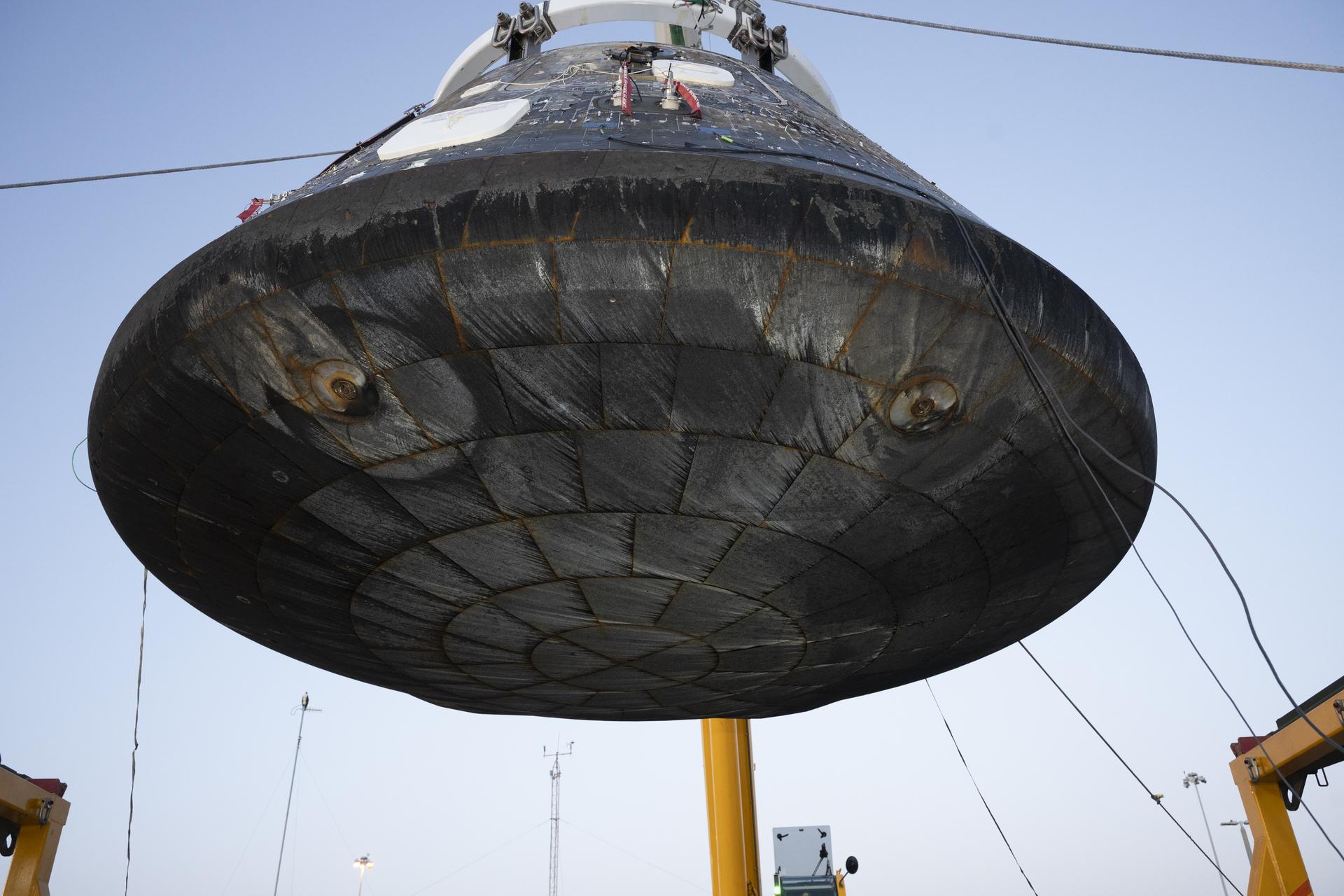
The analysis also showed that Orion’s robust heat shield design showed consistency from Artemis I to Artemis II, evident by the performance of system features such as the seams between the heat shield Avcoat blocks and the Avcoat surrounding the heat shield compression pad separation bolts. 

Post-flight inspection of Orion’s backshell, the protective cover on the sloped sides of the crew module made up of 1,300 ceramic tiles, showed expected performance across the crew module surface. Visual inspections indicated backshell features designed to seal and protect penetrations such as windows, vents, thrusters, and the side hatch also met expectations, with no signs of overheating observed. 

The team also performed post-flight laser scans of the heat shield surface and is comparing this data to pre-flight measurements to determine material recession, which will then be compared to analysis predictions. Engineers are continuing with heat shield sample extraction at NASA Marshall and subsequent material test and assessment and thermal analysis, to support long-term heat shield development, manufacturing efforts, and data capture. 

The Artemis II Orion crew module is lifted from its recovery fixture for inspection and engineering imagery after being offloaded from the USS John P. Murtha at Naval Base San Diego on April 18, 2026. The recessed areas, or smaller concentric circles, seen on the heat shield are associated with the separation bolts that connect the crew module with the service module. The larger circular patterns are formed due to compression pad material used within this location of the spacecraft, creating flow disturbances caused by extreme aerodynamic and thermal airflow during reentry. This causes increased heating locally and therefore Avcoat ablator thickness is increased in these areas by design.
NASA/Kevin Davis

Orion’s performance and the team’s analysis on Artemis II reflect system robustness, capability to support crew, and critical insights gathered that will enhance the Artemis III mission and beyond. Following the extensive Artemis I heat shield investigation, upgrades were made to the heat shield design for Artemis III to achieve uniformity and consistent permeability of the Avcoat blocks. Technicians attached the heat shield for the Artemis III Orion crew module at NASA Kennedy in early July, and the Orion crew and service modules were joined at the end of July. The spacecraft has since been successfully powered up for the first time, enabling engineers to check all connection lines between the two modules are working as planned.

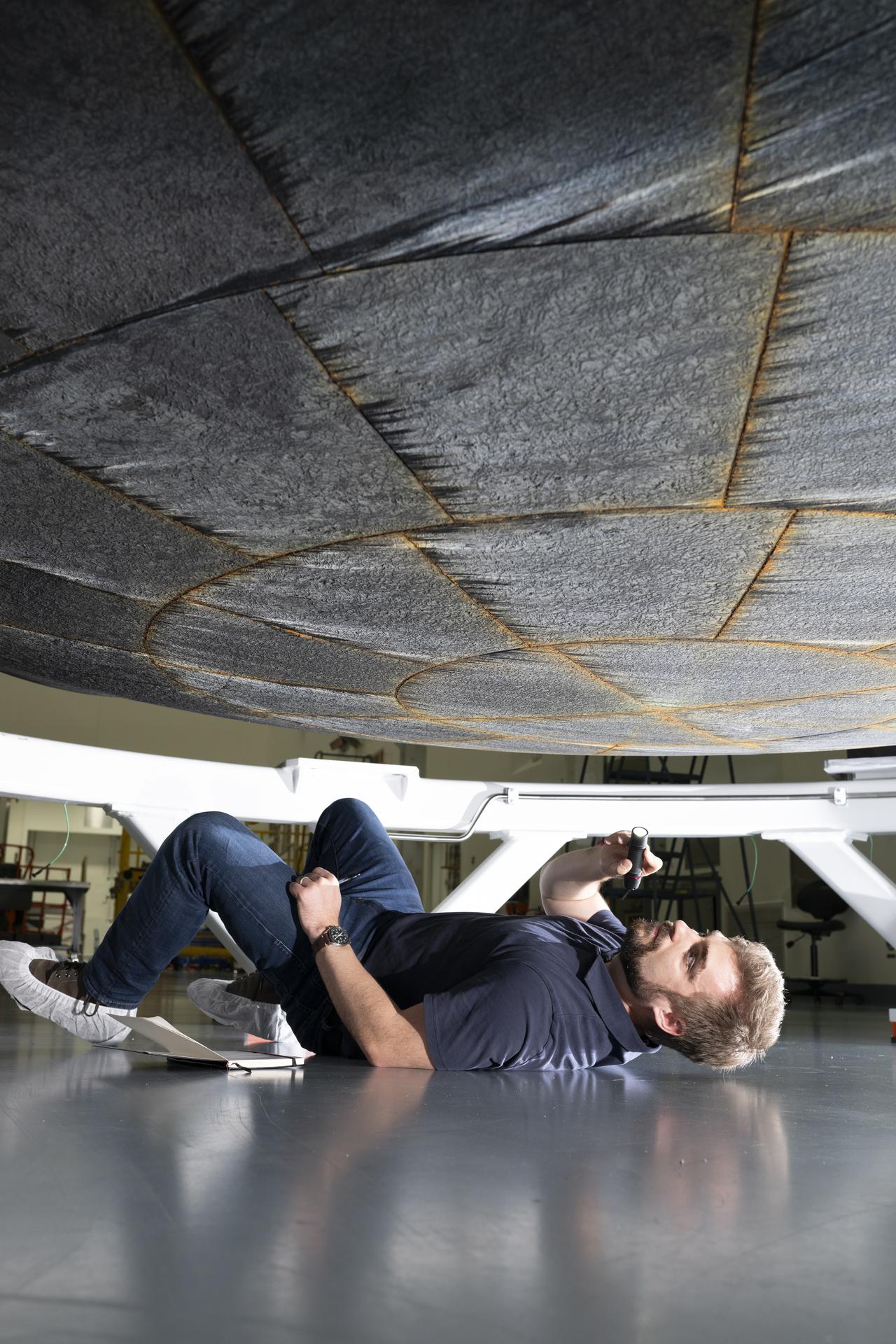
A person lies on the floor of a workshop, holding a flashlight to inspect the underside of a large, circular heat-shield-like structure suspended above them. The individual is positioned on their side beneath the hardware, with tools and equipment visible in the background.
An engineer from NASA’s Ames Research Center inspects the Artemis II Orion heat shield at NASA Kennedy’s Multi-Purpose Payload Facility on April 30, 2026, prior to its removal from the crew module. The orange tint seen between Avcoat tiles is an expected effect of the silicone used to fill the gaps between the blocks. The silicone gap filler contains iron oxide, which gives it a red appearance after enduring reentry. 
NASA/Kevin Davis

NASA continues to advance toward Artemis III as teams ready the Orion spacecraft for next year’s mission in low Earth orbit. NASA will launch the SLS (Space Launch System) rocket and Orion spacecraft with NASA astronauts Randy Bresnik, Frank Rubio, Andre Douglas, and ESA (European Space Agency) Luca Parmitano, to rendezvous with human lander test articles from Blue Origin and SpaceX to demonstrate critical systems and operations needed for future lunar landings, beginning with Artemis IV in 2028.

Source: www.nasa.gov
Chandra Finds Possible Origin of ‘Treble Clef’ Waves

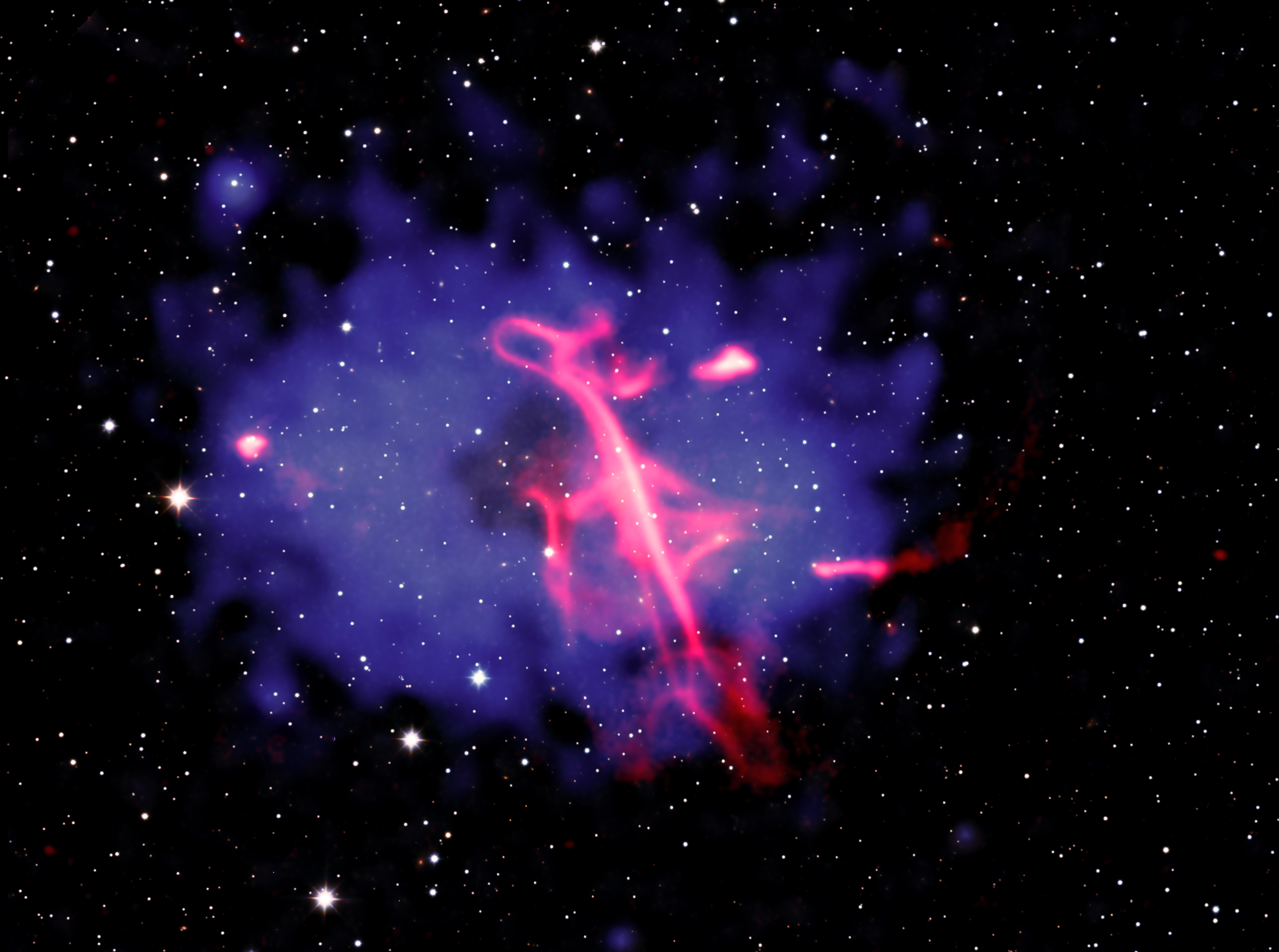
A composite image of a remarkable radio wave formation that strongly resembles a treble clef musical symbol, hovering in the midst of two colliding galaxy clusters. Here, galaxies in the galaxy clusters, plus foreground and background stars and galaxies, blanket the image with specks of light set against the blackness of space. At the center of the frame is a large, oval, blue-purple cloud with ragged edges. In the middle of the purple field, tilting slightly to our left, is what appears to be a giant treble clef, loosely drawn with a neon pink marker. Like the musical notation for which it's named, the formation has a strong vertical stroke with a continuous, fluid line swooping back and forth as it moves from top to bottom.
X-ray: NASA/CXC/INAF-IRA/A. Botteon et al.; Infrared: UKIDSS-GPS ; Radio: ASTRON/LOFAR; Image processing: NASA/CXC/SAO/N. Wolk

A formation of radio waves looks remarkably like a treble clef in this Oct. 14, 2026, image from NASA’s Chandra X-Ray Observatory. Researchers used Chandra to find that the Treble Clef is likely caused by an outburst from a supermassive black hole, followed by a collision of two galaxy clusters.

Read more about this discovery.

Image credit: X-ray: NASA/CXC/INAF-IRA/A. Botteon et al.; Infrared: UKIDSS-GPS ; Radio: ASTRON/LOFAR; Image processing: NASA/CXC/SAO/N. Wolk

Source: www.nasa.gov
NASA Welcomes All Ages, Experience Levels for Space Apps Challenge

Registration is open for the 2026 NASA Space Apps Challenge, a two-day global event on Saturday, Nov. 14 and Sunday, Nov. 15, where teams work to create solutions inspired by NASA’s most ambitious exploration goals and making use of the agency’s free and open data. The annual challenge, often called a hackathon, is an intensive, collaborative problem-solving experience where participants tackle real-world challenges created by NASA subject matter experts.

This year’s Space Apps Challenge collectively supports three major focus areas: returning humans to the Moon, preparing for missions deeper into the solar system, and expanding understanding of the universe. Participants do not have to be programmers. Students, scientists, engineers, designers, storytellers, technologists, and space enthusiasts of all ages and experience levels can contribute their skills.

“At NASA, science is for everyone, and we’re inviting the next generation to help tackle some of humanity’s most critical challenges in space through the NASA Space Apps Challenge,” said Nicky Fox, associate administrator, Science Mission Directorate, NASA Headquarters in Washington. “Everything in NASA Science is interconnected, and this year, students from around the world can use NASA’s powerful data sets to help us build the ultimate interplanetary survival guide – supporting the science that will enable astronauts to thrive on the Moon and, eventually, Mars, while also inspiring ideas that improve everyday life on Earth and in space for the benefit of all.”

Supporting lunar exploration, Artemis planning

NASA continues to advance plans for a sustained human presence on the Moon through the Artemis program and Moon Base. Several of this year’s Space Apps challenges relate to analytical tools, operational considerations, and human‑system needs relevant to lunar missions. These include work related to surface operations at the Moon’s South Pole, the management of environmental constraints such as sunlight and communications windows, as well as approaches for evaluating the logistical and scientific demands of long‑duration lunar stays. Broader system‑level modeling challenges, such as those that simulate outpost operations or consider astronaut health and safety, mirror the complexity of planning for human activity on the lunar surface.

Strengthening readiness for Mars, deep space

NASA’s exploration strategy includes continued robotic exploration of the outer solar system and preparing for future human missions to Mars. Several challenges involve operational concepts for Martian surface activities, integrating data from multiple Mars missions, or reflecting the mission‑design trade‑offs required for deep‑space exploration. Others address fundamental concerns for long‑duration travel, such as monitoring physiological and behavioral health indicators, or examining how engineering and scientific choices shape mission execution in environments far from Earth.

Some of these challenges also align with NASA’s broader exploration portfolio, which includes ongoing work on future missions to destinations such as Jupiter’s moon Europa and Saturn’s moon Titan. By simulating mission‑design decisions or evaluating environmental analogs on Earth, certain challenges offer frameworks related to how NASA prepares for complex operational scenarios throughout the solar system.

Enhancing access to astrophysics

NASA’s astrophysics missions contribute to understanding the structure and history of the universe. In 2026, this includes active missions like Spectro-Photometer for the History of the Universe, Epoch of Reionization and Ices Explorer (SPHEREx), which is conducting a full‑sky spectral survey, as well as the continued development and deployment of observatories designed to investigate cosmic evolution and exoplanet, which are planets outside our solar system, populations.

Challenges associated with these efforts focus on improving public access to mission data, designing tools that help visualize changes in the sky over time, and supporting broader engagement with the scientific products derived from these missions.

Broader impact across NASA’s mission landscape

Together, these challenges illustrate how NASA’s open data ecosystem enables gold standard science, by freely offering such a wide breadth of information and research. By engaging with the Space Apps event, the entire nation can interact with the kind of real‑world needs defined by the agency.

Registration is available at the NASA Space Apps Challenge. Participants can join in one of 500+ local events, join a team, and select the challenge that they are most interested in addressing during the November hackathon.

Source: science.nasa.gov

APOD: 2026 October 15 – The Milky Way over Manhattan

APOD

Astronomy Picture of the Day

Discover the cosmos! Each day a different image or photograph of our fascinating universe is featured, along with a brief explanation written by a professional astronomer.

A black and white view of the Manhattan skyline merges into a night sky with stars and a visible, though faint, Milky Way. Please see explanation for more details.

The Milky Way over Manhattan

Explanation: The city lights outshine the stars in the City That Never Sleeps. Who would have thought that the Milky Way could be visible in this sky? This image was taken with a filter that blocks most visible light, capturing instead only light in the near-infrared region of the electromagnetic spectrum (with lower energy than visible light). The astrophotographer’s clever setup blocks most of the light pollution from the city: old incandescent light bulbs and some neon lights are still bright in the near-infrared, but fluorescent and LED light bulbs are not. Of course, stars are also bright in the near-infrared! This image is a reminder that we all live under the same sky, and astronomy allows all of us to learn more about humanity’s place in the Cosmos.

Tomorrow’s picture: Chasing the ISS

Date October 15, 2026
Credit & Copyright Jason Kurth, Ty Buckley
Authors & editors: Cecilia Chirenti, Robert Nemiroff, Jerry Bonnell, Keighley Rockcliffe
A service of: ASD at NASA / GSFC,
NASA Science Activation & Michigan Tech. U.

Source: science.nasa.gov

NASA Awards Enable Research, Technology to Build Future Workforce

3 Min Read

NASA Awards Enable Research, Technology to Build Future Workforce

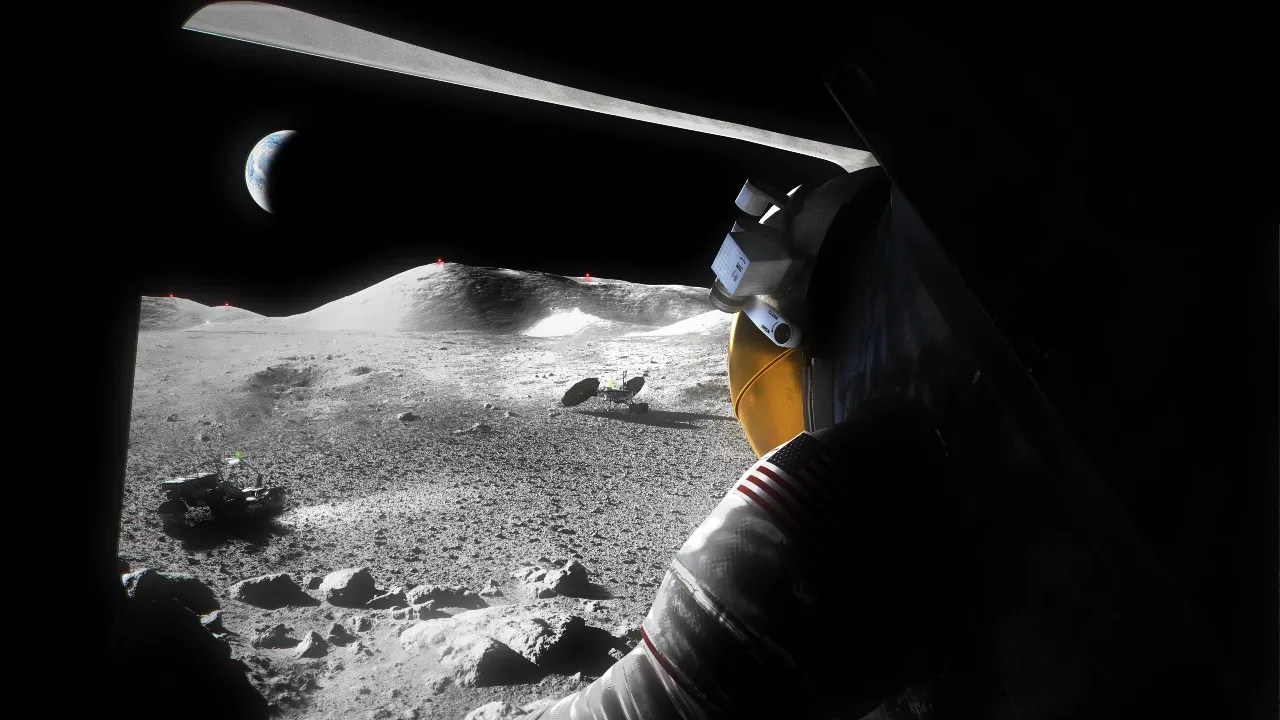
An illustration of a suited Artemis astronaut looking out of a Moon lander hatch across the lunar surface, the Lunar Terrain Vehicle and other surface elements.

An illustration of a suited Artemis astronaut looking out of a Moon lander hatch across the lunar surface, a Lunar Terrain Vehicle and other surface elements.

Credits:
NASA

NASA has selected 12 U.S. institutions to receive $12 million to accelerate academic research and technology development in support of the agency’s priorities for exploring the Moon, Mars, and deep space.

Through NASA’s Minority University Research and Education Project (MUREP) Space Technology Artemis Research (M‑STAR) initiative, selected institutions will each receive up to $1 million to grow their scientific and engineering capabilities, enhance faculty and student engagement in aerospace research, and expand their ability to compete for future federal and commercial research awards.

“We are excited to launch this new cohort of M-STAR investigators,” said Alicia Baturoni Cortez, MUREP program manager in the agency’s Office of STEM Engagement. “NASA investments in our Nation’s research institutions create real opportunities for students and faculty to build skills, knowledge, and infrastructure, while helping NASA close technology gaps for long-duration operations on the Moon and eventually, Mars.”

As NASA enters a Golden Age of innovation and exploration, the M-STAR initiative supports the agency’s mission to develop innovative technologies that improve space transportation, human exploration, robotic discovery, and the growing space economy.

The awardees and their projects are as follows:

California State University, Sacramento
Adaptive Vision-Language-Action Models for Resilient Multi-Robot Collaboration in Unstructured Planetary Environments

University of Central Florida, Orlando
M-FAST: Multi-Fidelity Aerothermal Simulation & Testing for Artemis

University of Hawaii at Manoa
HI-STRIDE: Hawai’i Student Training in Radiation Instrumentation, Detection, and Exploration

University of Houston
RODEO: Rover-carried On-surface Deployables for Exploration Operations

University of Texas, San Antonio
Characterizing Physical and Mechanical Properties of Regolith at Cryogenic Conditions Using the Multi-Planetary Surface Simulator (MPS2)

Kean University, Union, New Jersey
Integrating Terrain Understanding of AI Models With Robust Control for Autonomous Path Planning

Virginia Commonwealth University, Richmond
BNNT-Reinforced Multifunctional Composites for Radiation-Tolerant, Hydrogen-Compatible Nuclear Thermal Propulsion (NTP) Secondary Hardware

Shaw University, Raleigh, North Carolina
Project ARES (Advanced Regenerative Environmental Systems): A Materials-by-Design Research and Workforce Development Platform for Environmental Control and Surface Infrastructure

Howard University, Washington
LumSHRS: Lunar monolithic Spatial Heterodyne Raman Spectrometer for Minirover In-Situ and Standoff Remote Sensing

Prairie View A&M University, Prairie View, Texas
Functionally Graded Interfaces for Directed-Energy-Deposition Repair of Copper-to-Superalloy Propulsion Hardware: An Integrated AI/ML Design-to-Validation Research Capability at Prairie View A&M University

University of New Mexico, Albuquerque
POWER-Artemis: Extreme-Environment Batteries and Fuel Cells for Sustained Moon and Mars Operations

Fayetteville State University, North Carolina
From Documents to Models: Method-Compliant Generative AI for Bootstrapping Model-Based Systems Engineering in NASA’s Artemis Enterprise (Doc2Model)

NASA’s Office of STEM Engagement fosters an ecosystem across education, industry, and government to cultivate a well‑prepared talent pool, while the agency’s Research and Technology Mission Directorate develops the transformative space technologies that enable future NASA missions and ensure U.S. leadership in aerospace. Together, they accelerate mission readiness by aligning cutting edge technological innovation with the workforce needed to carry it forward.

Source: www.nasa.gov
Power Up: Roll Out Solar Arrays Boost Space Station Power Supply

2 Min Read

Power Up: Roll Out Solar Arrays Boost Space Station Power Supply

From the International Space Station’s unique position 250 miles above Earth, the Sun is a vital source of energy. Solar power supports the station’s life support systems, daily activities, and hundreds of research investigations that improve life on Earth and prepare humans for deep space exploration. Over the past five years, NASA augmented the station’s power generation and distribution capability with next-generation International Space Station Roll Out Solar Arrays (IROSAs).

An International Space Station Roll Out Solar Array deploys in 2022. 
NASA

In 2017, a technology demonstration conducted aboard the space station tested the effectiveness of the arrays. The lightweight, compact design launches as a cylinder and unfurls like a yoga mat after installation. This advanced design reduces mass and volume at launch and uses an autonomous, self-deploying system that minimizes risks during rollout.

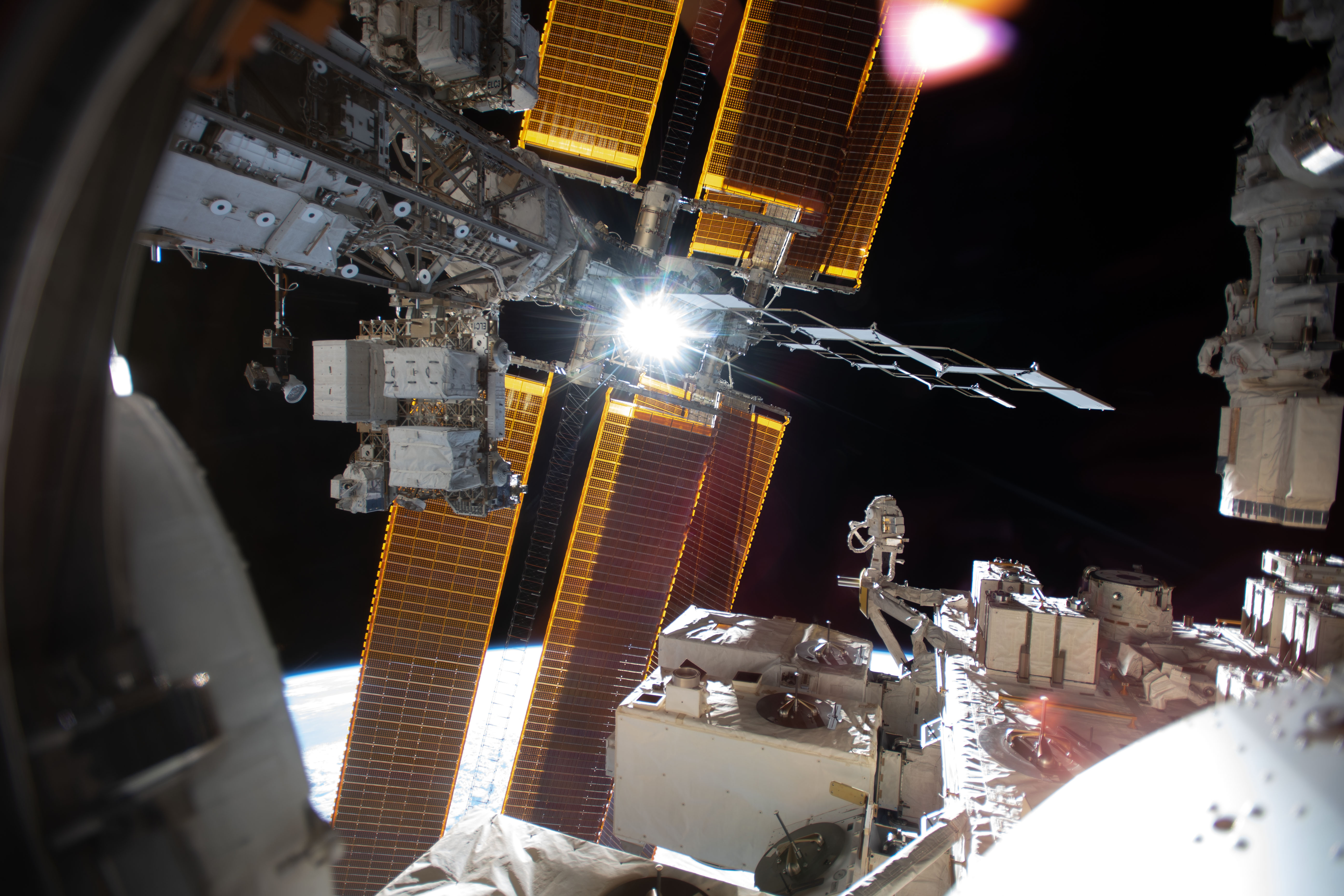
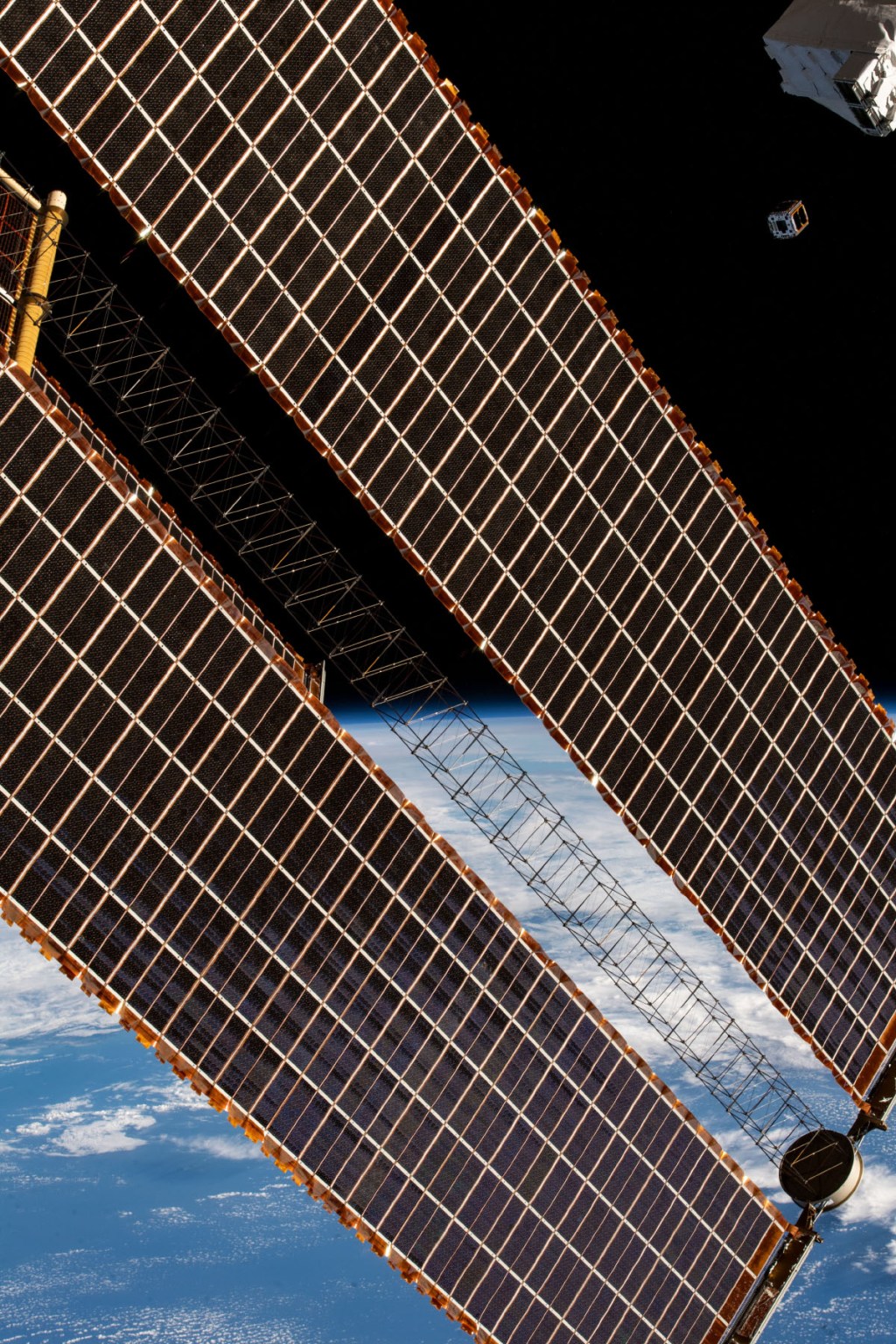
Illuminated solar arrays and structural trusses of the International Space Station are shown against the darkness of space, with sunlight flaring near the center of the frame and Earth’s curved horizon visible below.
Sunlight flares across the International Space Station’s solar arrays. 
NASA

The technology is also scalable to meet mission requirements. The IROSAs are about half the size of the station’s legacy arrays. Despite being smaller, the arrays are capable of producing about 28 kilowatts of additional power.

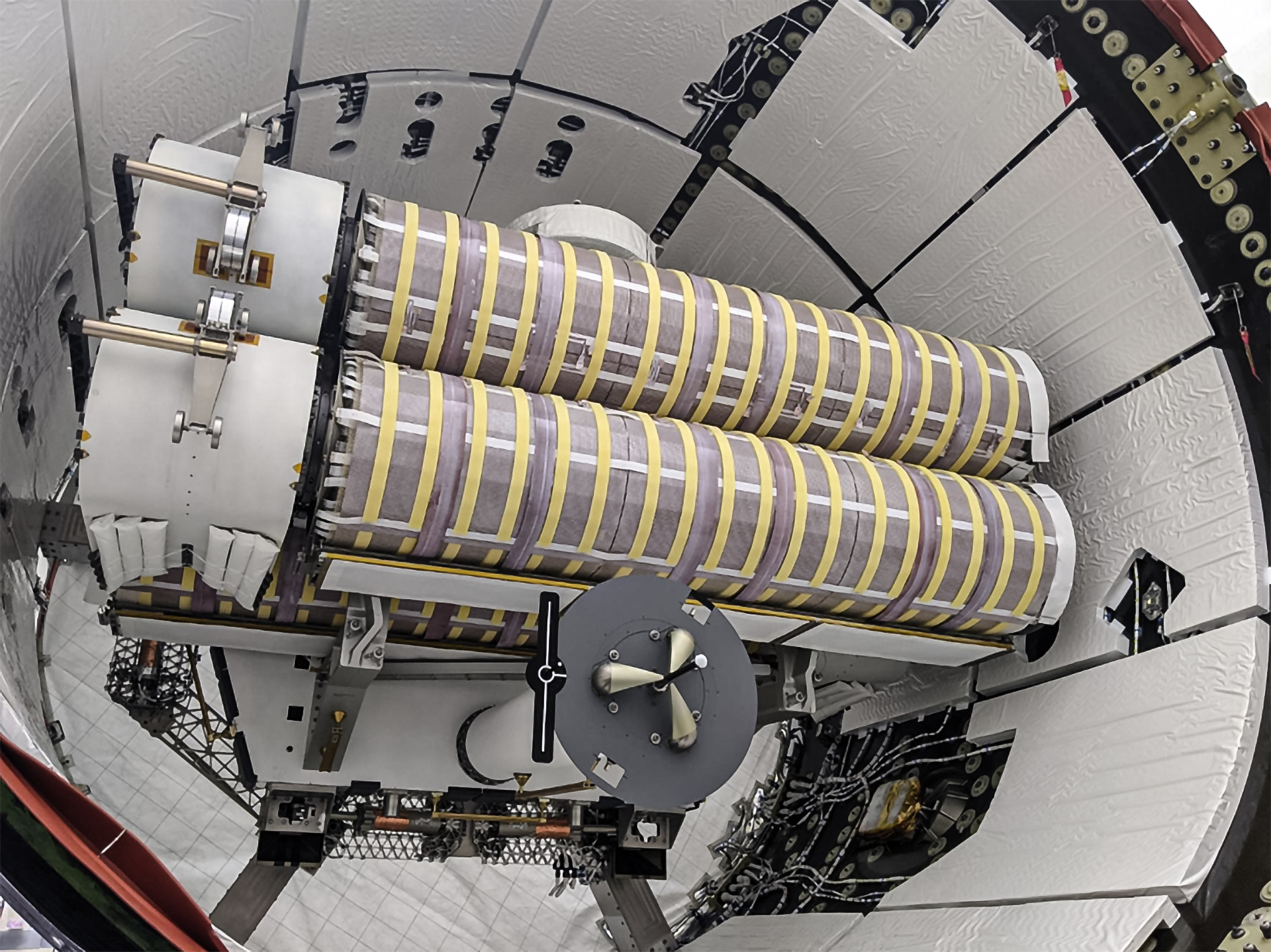
Two cylindrical Roll Out Solar Arrays wrapped in striped insulation are secured in the trunk of a SpaceX Dragon Cargo vehicle surrounded by structural supports and cables.
The first two International Space Station Roll Out Solar Arrays loaded in a SpaceX Dragon’s trunk before delivery to the orbiting laboratory during the company’s 22nd commercial resupply services mission for NASA in 2021.
SpaceX

Six IROSAs were installed outside of the space station between 2021 and 2023. In 2023, power projections prompted a request for another set of IROSAs, which launched in Dragon spacecraft’s trunk during the SpaceX 35th commercial resupply services mission to space station for NASA. Together, the eight IROSAs will increase power by more than 160kW for research and operations.

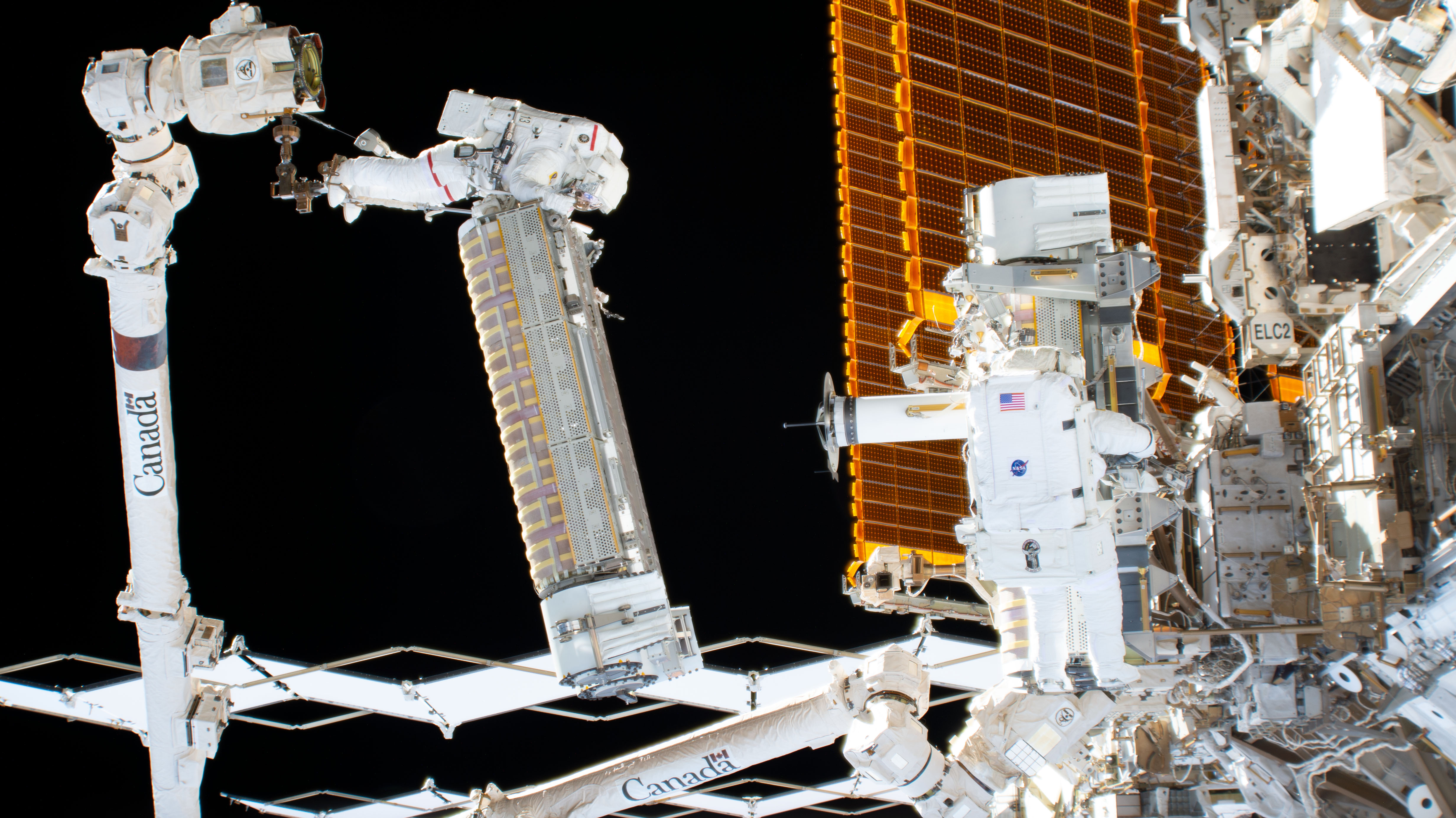
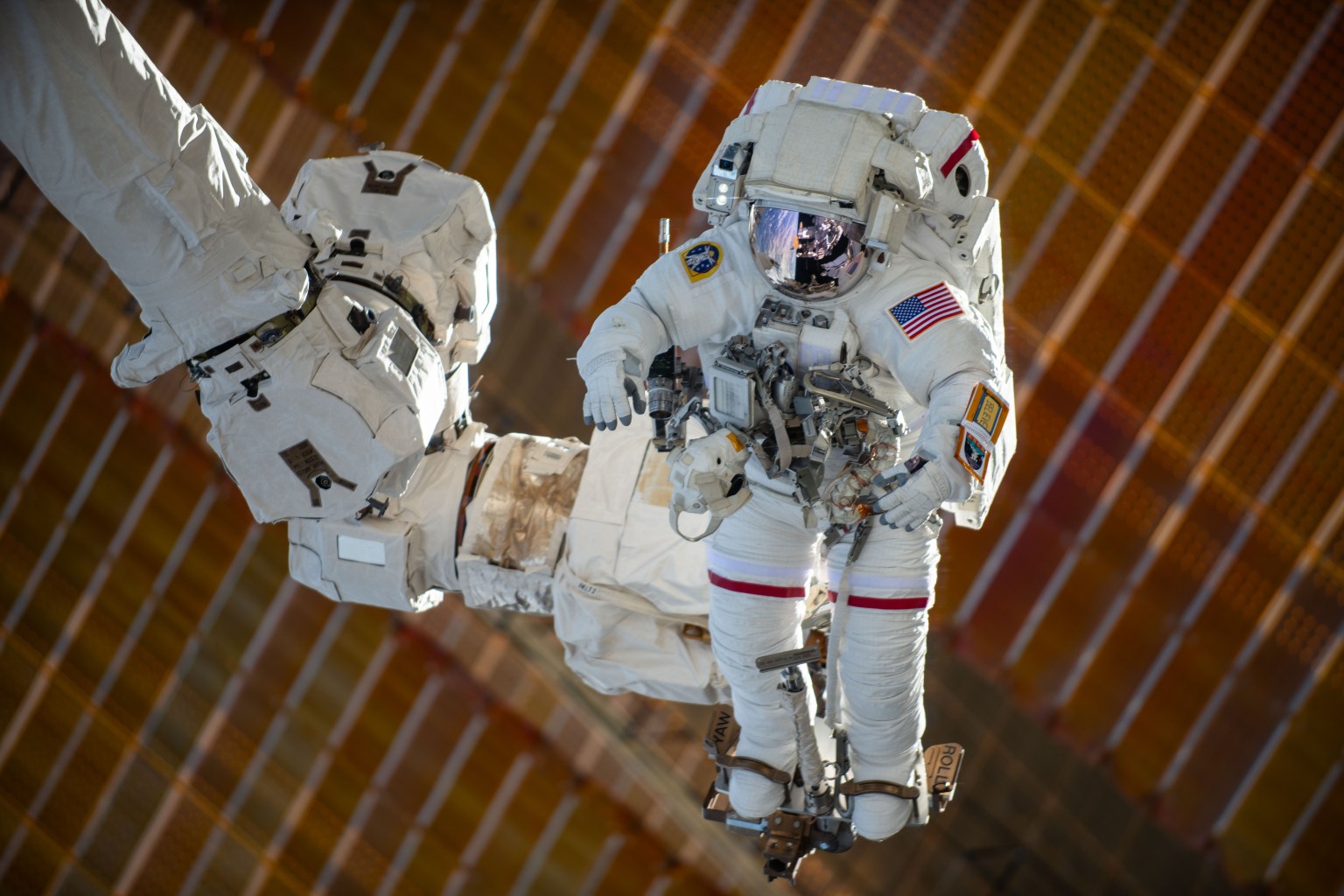
Two NASA astronauts in white spacesuits work outside the International Space Station, with one holding a rectangular hardware unit while robotic arms assist near the station’s orange solar arrays.
NASA astronauts perform a spacewalk to install an International Space Station Roll Out Solar Array with the assistance of the Canadarm2 robotic arm in 2022.
NASA

With the full upgrade in place, the space station’s revitalized power system not only supports NASA’s legacy in low Earth orbit but also helps advance technology that will extend the agency’s reach into the solar system. From planetary defense demonstrations, like the Double Asteroid Redirection Test, to future human exploration efforts, the space station is an essential testbed for the technologies needed for expeditions beyond Earth’s orbit.

Source: www.nasa.gov
NASA Names Astronaut Christina Koch Acting Deputy Chief Engineer

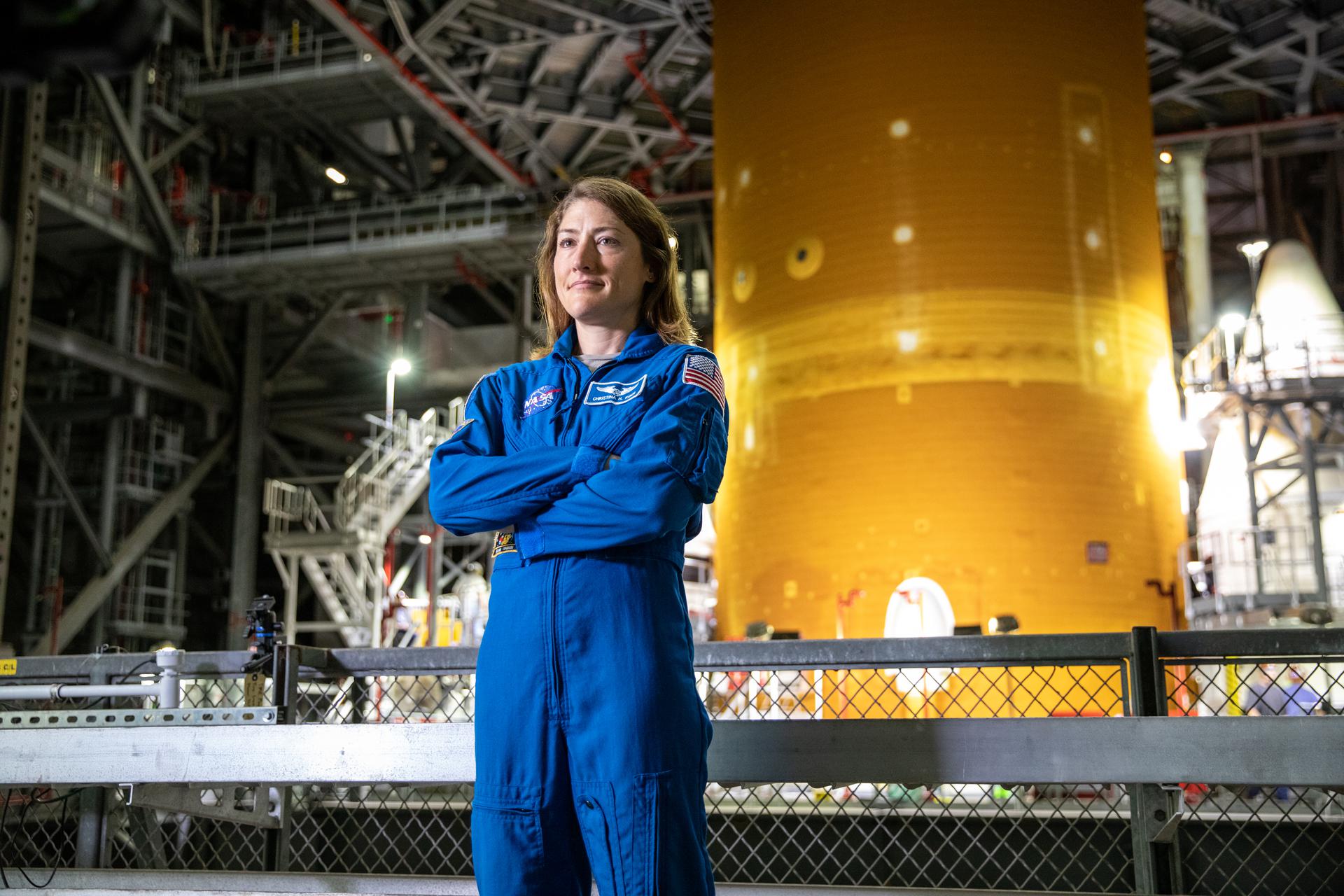
NASA astronaut Christina Koch stands inside Kennedy Space Center’s Vehicle Assembly Building on July 14, 2021, in front of the agency’s Space Launch System (SLS) rocket that ultimately powered the Orion spacecraft on the Artemis I mission. Koch later served as a crew member on the Artemis II mission in 2026, and on Oct. 13, 2026, NASA announced she will serve next as the agency’s acting deputy chief engineer.
NASA/Glenn Benson

NASA engineer and astronaut Christina Koch will serve as the agency’s acting deputy chief engineer beginning on Sunday, Nov. 1, following the retirement of Katherine Van Hooser, who will conclude more than 35 years of distinguished service to the agency on Wednesday, Oct. 21.

In her new role, Koch will help lead NASA’s engineering community, supporting technical oversight, mission readiness, and engineering excellence across the agency’s programs and projects. With this appointment, Koch will transition to management astronaut status and will no longer be eligible for future spaceflight assignments.

“Christina has seen NASA engineering from both sides of the equation: developing complex systems on the ground and trusting them with her life in space,” said NASA Administrator Jared Isaacman. “After spending nearly a year living and working aboard the International Space Station and helping lead America back around the Moon on Artemis II this year, she brings an extraordinary combination of technical expertise, operational experience, and judgment to this role. I am excited to see the impact she will have across NASA as we return Americans to the lunar surface, build the Moon Base, get underway on nuclear power in space, and develop the capabilities that will ultimately take us on to Mars.”

“Katherine has been an extraordinary leader throughout her career, bringing technical expertise, sound judgment, and an unwavering commitment to mission success to some of NASA’s most complex engineering challenges,” said Amit Kshatriya, NASA associate administrator and chief engineer. “Her leadership has strengthened our engineering community and helped guide the agency through critical milestones and transitions. Christina brings a unique combination of engineering expertise, operational experience, and proven leadership, both on the ground and in space. I am grateful to Katherine for her exceptional service and confident Christina will continue the tradition of technical excellence that is essential to everything we do at NASA.”

Koch most recently served as a mission specialist aboard NASA’s Artemis II mission in April, helping carry out the first crewed flight around the Moon in more than 50 years. She previously spent 328 consecutive days aboard the International Space Station, setting the record for the longest single spaceflight by a woman and participating in the first all-female spacewalks.

Koch began her NASA career as an electrical engineer at the agency’s Goddard Space Flight Center in Greenbelt, Maryland, developing scientific instruments for space missions. Before her selection as an astronaut in 2013, her experience also included scientific field engineering in Antarctica and the Arctic. She has since held leadership positions within NASA’s Astronaut Office and at the agency’s Johnson Space Center in Houston, bringing a combination of technical expertise, operational experience, and firsthand understanding of the demands of human spaceflight to her new role.

Van Hooser joined NASA in 1991 at the agency’s Marshall Space Flight Center in Huntsville, Alabama, beginning a distinguished career in propulsion engineering and technical leadership. Her early work focused on liquid rocket engine turbomachinery before she became chief engineer for the space shuttle main engine, leading engineering efforts through the final 21 shuttle flights. She later served as the first chief engineer for the Space Launch System’s Liquid Engines Element, helping advance the propulsion systems supporting NASA’s Artemis missions.

As Marshall’s chief engineer and, since 2023, NASA’s deputy chief engineer, Van Hooser provided critical technical leadership and oversight across the agency’s programs. Her steady guidance through complex engineering challenges and organizational transitions helped maintain continuity, strengthen collaboration, and keep mission readiness at the forefront of NASA’s work.

Learn more about NASA’s missions on the agency’s website:

https://www.nasa.gov/

George Alderman / Cheryl Warner
Headquarters, Washington
202-358-1600
[email protected] / [email protected]

Details

Last Updated

Oct 13, 2026

Source: www.nasa.gov

NASA Astronauts to Answer Questions from Florida Students

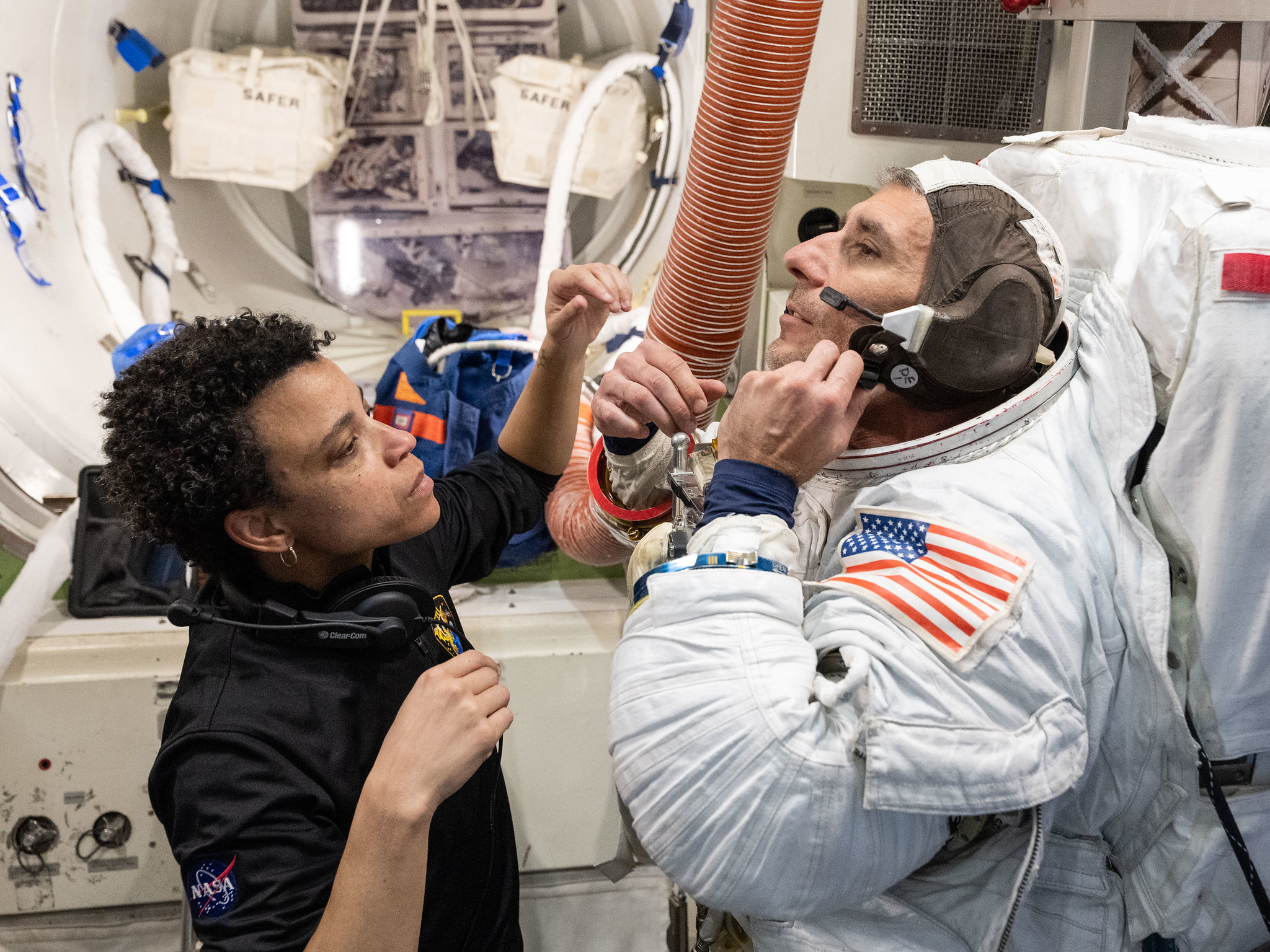
NASA astronaut Jessica Watkins assists NASA astronaut Luke Delaney as he practices suiting up in a spacesuit in an International Space Station airlock simulator on May, 5, 2026, at the agency's Johnson Space Center Space Vehicle Mockup Facility in Houston.
NASA astronaut Jessica Watkins assists NASA astronaut Luke Delaney as he practices suiting up in a spacesuit in an International Space Station airlock simulator on May 5, 2026, at the agency’s Johnson Space Center Space Vehicle Mockup Facility in Houston.
Credit: NASA

Students in Florida will hear from NASA astronauts Jessica Watkins and Luke Delaney as they answer prerecorded STEM questions while aboard the International Space Station.

The Earth-to-space call will begin at 12 p.m. EDT Friday, Oct. 16, and will stream live on the agency’s Learn With NASA YouTube channel.

This event is hosted by Sally Ride Elementary School in Orlando, Florida, for students in grades K-12, and the community. This unique opportunity aims to deepen understanding of space exploration and enhance awareness of STEM careers.

Media interested in covering the event must RSVP no later than 5 p.m. EDT, Thursday, Oct. 15, to Jenny Morgan at (407) 858-3100, or at [email protected].

For more than 25 years, people have lived and worked continuously aboard the International Space Station, advancing scientific knowledge and making research breakthroughs not possible on Earth. The space station helps NASA understand and overcome the challenges of human spaceflight, expand commercial opportunities in low Earth orbit, and build on the foundation for long-duration missions to the Moon, as part of the Artemis program, and to Mars.

For more information on NASA in-flight calls, visit:

https://www.nasa.gov/stemonstation

Source: www.nasa.gov