NASA to Study Human Health, Performance During Crew-13 Mission

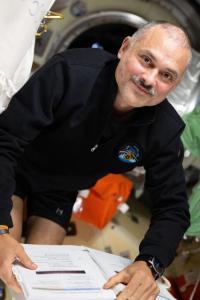
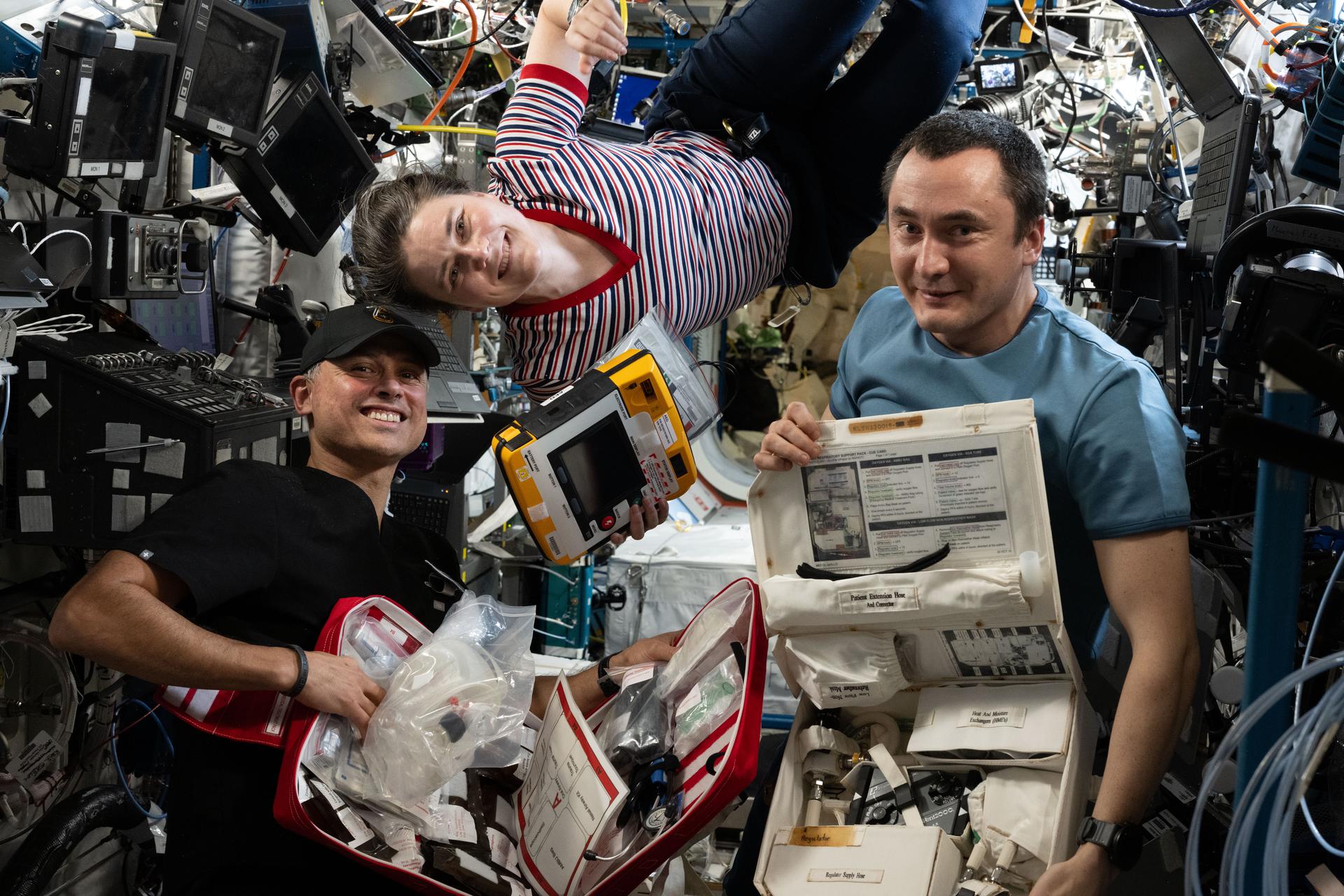
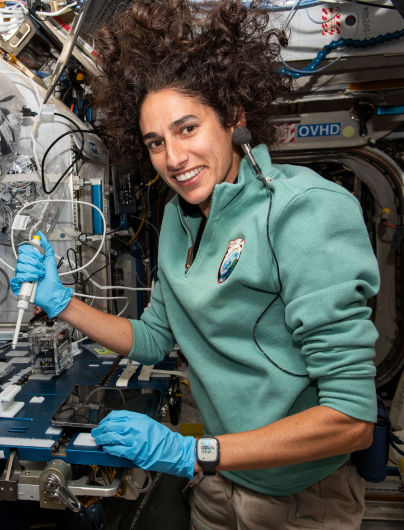
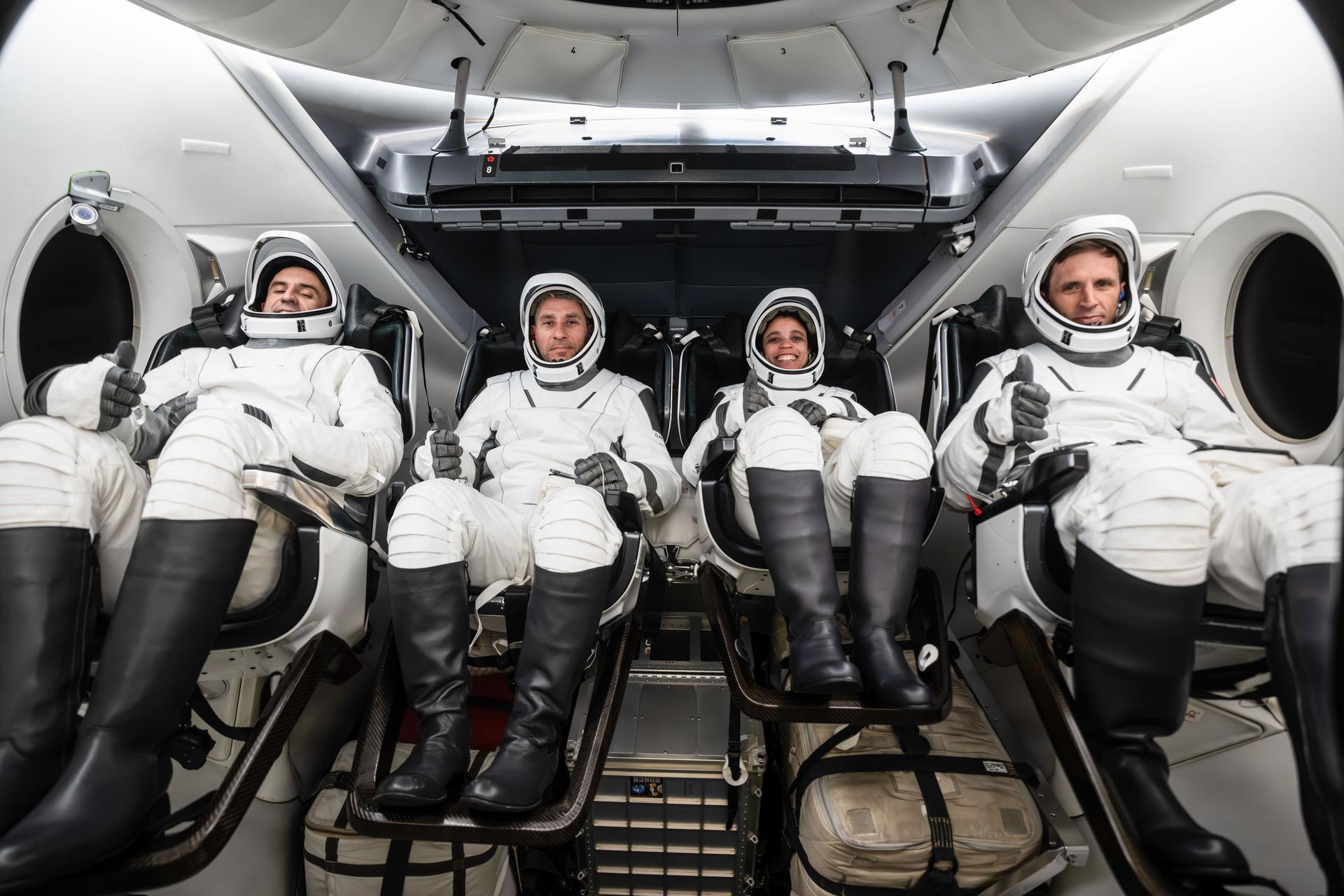
The SpaceX Crew-13 members are pictured in their pressure suits seated inside a mockup Dragon spacecraft during a preflight training session at the company's headquarters in Hawthorne, California. From left are, Roscosmos Sergey Teteryatnikov, NASA astronauts Luke Delaney and Jessica Watkins, and CSA (Canadian Space Agency) astronaut Joshua Kutryk.
(April 30, 2026) — The SpaceX Crew-13 members are pictured in their pressure suits seated inside a mockup Dragon spacecraft during a preflight training session at the company’s headquarters in Hawthorne, California. From left are, Roscosmos Sergey Teteryatnikov, NASA astronauts Luke Delaney and Jessica Watkins, and CSA (Canadian Space Agency) astronaut Joshua Kutryk.
Credit: SpaceX

During NASA’s SpaceX Crew‑13 mission aboard the International Space Station, astronauts will support a series of biomedical and human performance investigations, including a new collaborative effort to study how spaceflight affects blood flow and clotting. NASA also is testing crew members’ manual piloting skills, evaluating methods to counter vision and brain changes, gathering essential health data to inform future missions, and measuring forces astronauts experience during return‑to‑Earth to help refine re-entry hardware and procedures.

Among upcoming research, a new collaboration with ESA (European Space Agency), called Venous Haemostasis, builds on previous studies of blood flow in space by combining the two space agencies’ research efforts. By coordinating blood collections and other physiological data, researchers can reduce how often astronauts need blood drawn while combining analytical measurements to better understand how microgravity affects blood clotting and circulation.

“In space, weightlessness can disrupt normal blood flow in astronauts’ veins,” said Jason Lytle, one of the study’s principal investigators and a cardiovascular researcher at NASA’s Johnson Space Center in Houston. “Irregular and slow blood flow can increase the risk of blood clot formation, a serious health condition. Venous Haemostasis will help us understand why these changes may occur in some astronauts but not others.”

Before, during, and after flight, astronauts will undergo MRI scans, jugular vein ultrasounds, blood pressure checks, and blood draws so researchers can track changes in blood flow and blood composition. Results will inform preventative measures for at-risk crew members and improve health and safety on future missions. Researchers also hope to learn whether knowledge gained from this and other studies may lead to better ways to prevent and treat blood clots both in space and on Earth.

A performance study, called Manual Piloting, uses lunar-landing simulations to test how well astronauts can handle challenging landings after spending extended time in microgravity. Because long-duration spaceflight can affect sensory systems, orientation, and motion control during shifts between gravity environments, researchers are evaluating how those changes influence piloting performance and whether refresher training shortly before landing can strengthen capabilities and decision-making.

Researchers also will continue the B-Complex study, which investigates if a daily B-vitamin supplement can reduce or prevent Spaceflight-Associated Neuro-ocular Syndrome (SANS), a condition that can change astronauts’ eye structure during long-duration missions. Past research suggests taking B vitamins daily during spaceflight may help protect astronauts from SANS. Participating crew members will undergo vision tests and take B vitamins before, during, and after flight to evaluate the supplement’s effectiveness. The study also will assess whether the B vitamins influence how crew members’ blood vessels function before and after flight.

Select Crew-13 astronauts also will participate in three additional Human Research Program studies: Standard Measures, Spacecraft Occupant Risk, and Zero T2. Standard Measures collects consistent physiological and behavioral data from as many crew members as possible to establish baselines for research aimed at countering adverse effects. Spacecraft Occupant Risk characterizes the forces astronauts experience during landing to help NASA refine strategies and hardware to reduce injury risks. Zero T2 tracks the exercise routines of select crew members to compare health and performance data between astronauts who use the treadmill for aerobic exercise aboard station and those who do not. The comparisons will help researchers build exercise plans for future Artemis and deep-space missions, where spacecraft size could limit or eliminate treadmill use.

“Together, these investigations will help NASA better understand how the human body responds to spaceflight and whether specific strategies can effectively protect astronaut health and performance,” said Michael Stenger, Human Research Program chief scientist at NASA Johnson. “Knowledge gained will pave the way for NASA’s efforts to safely send humans farther into the solar system, including Artemis missions to the Moon, work on the Moon Base, and future expeditions to Mars.”

____

NASA’s Human Research Program pursues methods and technologies to support safe, productive human space travel. Through science conducted in laboratories, ground-based analogs, commercial missions, the International Space Station and Artemis missions, the program scrutinizes how spaceflight affects human bodies and behaviors. Such research drives the program’s quest to innovate ways that keep astronauts healthy and mission ready as human space exploration expands to the Moon, Mars, and beyond.

Source: www.nasa.gov

NASA Modernizes Commercial Airline Systems

4 min read

Preparations for Next Moonwalk Simulations Underway (and Underwater)

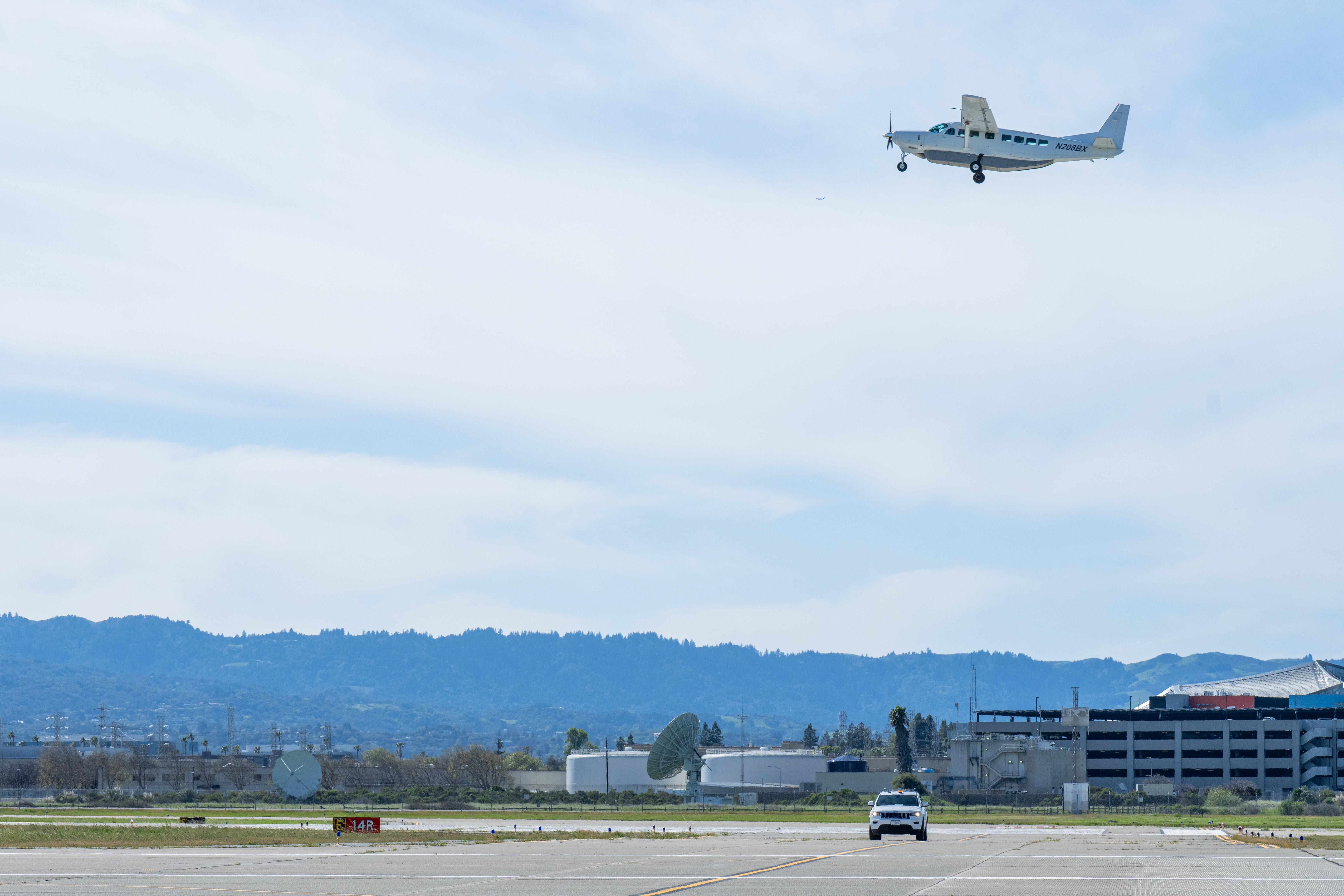
Testing at NASA’s Ames Research Center in California’s Silicon Valley in March 2026 demonstrated autonomous technology that could identify an incursion – a vehicle, wayward suitcase, or other runway obstacle that could impact an aircraft’s safe landing.
NASA/Brandon Torres-Navarrete

NASA’s researchers know that when you settle into your seat on a commercial flight, you expect a smooth takeoff, views over the clouds, a steady descent, and hopefully an early arrival at your destination. But when your flight gets delayed on the tarmac instead of lifting off, or it ends up in a holding pattern rather than landing on time, things start to change. Your experience goes from smooth to anxiety-inducing as you worry about making your connection or getting home in time for dinner.

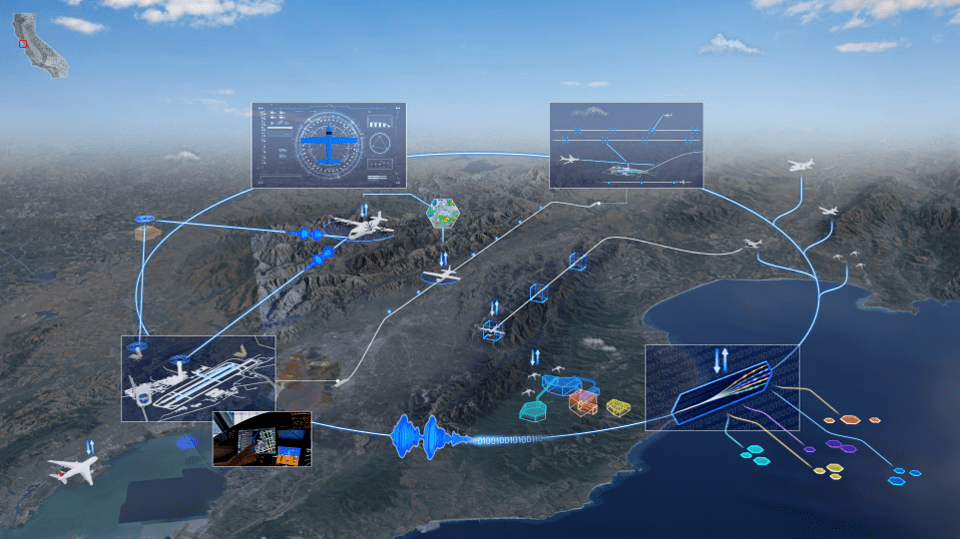
Large airports are among the busiest, most complex environments in aviation, with aircraft, ground crews, and service vehicles sharing crowded taxiways. Researchers at NASA’s Ames Research Center in California’s Silicon Valley recently worked with Boeing to advance three types of field tests – digital taxi information, safe taxiway, and safe runways – that could lead to safer, more efficient runway environments at airports.

During the digital taxi tests, pilots were given taxiway guidance directly on cockpit displays or tablets, instead of verbally from air traffic controllers. Aircraft autonomously followed digital routes while researchers monitored a suite of sensors designed to identify vehicles or other aircraft impeding the taxi path and runway. The system reduced pilot and air traffic controller workloads and the risk of verbal errors.  

Safe runway technology testing can also improve situational awareness for approaching aircraft. While preparing to land a Boeing aircraft during testing, the same sensors successfully flagged a vehicle on the runway, providing additional awareness to ensure pilots could avoid potential collisions or other safety concerns.

Together, these NASA capabilities aim to reduce miscommunication, ease pilot workloads, and keep airport traffic moving smoothly. Future testing will integrate the sensor and digital taxi systems into a simulated air traffic control environment to evaluate how the technologies can benefit overall management of the airspace.

For years, NASA has worked to improve your experience when flying by developing new technologies to modernize the commercial airline system. Key NASA technologies streamline and digitize the flying experience – from the departure gate, to the skies, to your safe arrival at your destination.

“Aviation safety is key to NASA’s research,” said Parimal Kopardekar, director of NASA’s Airspace Operations and Safety project. “Technology that can provide additional autonomy and support a future airspace with multiple aircraft operating in harmony is key to advancing the National Airspace System.”

NASA’s research innovations continue after your flight takes off. Modern flights constantly respond to shifting weather, turbulence, and traffic. Even small changes in direction or altitude can affect when a plane arrives. These changes can force flights into holding patterns while air traffic controllers attempt to rebalance the busy airspace.

NASA’s air traffic management researchers have been working for years to reduce those situations. In a 2025 collaborative effort with Boeing, United Airlines, and international partners, NASA evaluated real‑time trajectory sharing on domestic and transoceanic flights.

During that testing, a United Airlines Boeing 737 aircraft shared frequent flight information with airline operations centers and air traffic control. NASA used the data to understand how frequently those updates should be sent and what details matter most for generating accurate arrival predictions. Better information helps controllers sequence traffic more precisely, which means fewer holding patterns and more direct descents for passengers.

A computer display of a map shows several lines which represent possible air traffic routes for an airplane to follow.
Digital rerouting technology could reduce workloads for controllers, suggesting new routes to prevent or avoid delays without the back-and-forth needed to adjust flight paths manually.
NASA

Pre-departure rerouting technology and digital exchange tools developed at NASA allow dispatchers and controllers to see the same digital picture of flights preparing to depart.

When a better route becomes available, controllers could coordinate the change digitally instead of relying on verbal communication between pilots, controllers, and dispatchers. The technology could lead to fewer delays, reduced fuel consumption, and more predictable operations for passengers.

NASA has now transferred the routing technology to the Federal Aviation Administration (FAA) and airlines will continue to test it. These tools build on decades of NASA contributions to national airspace modernization.

In coordination with the FAA, NASA has advanced automation concepts, improved how arrival and departure flows are managed, and introduced data‑driven software that commercial airlines use every day.

By working closely with airlines, manufacturers, and global partners, NASA is helping to improve every phase of flight to make air travel safer and more reliable, now and in the future.

Source: www.nasa.gov

NASA Unveils Winning Designs for Mars Space Food Systems Challenge 

5 min read

Preparations for Next Moonwalk Simulations Underway (and Underwater)

Deep Space Food Challenge Mars to Table

NASA announced the winners of the Deep Space Food Challenge: Mars to Table Thursday, with the top $300,000 prize being awarded to Chinyere Ukeje of Philadelphia, Pa. for the Adaptive Nourishment Infrastructure (ANI) food system concept. This competition challenged solvers to explore innovative solutions for integrated space food systems that would provide safe, nutritious meals to astronauts living and working in space.   

Mars to Table launched in January 2026 as a follow on to the Deep Space Food Challenge, which NASA ran from 2021-2014 in collaboration with CSA (Canadian Space Agency). The original challenge focused on prototyped novel food production methods, while the 2026 competition asked teams to conceptualize space meals not as individual technology components, but as a complete food-production system that would offer a variety of food with limited crew time and work needed to maintain the food system. After judging 113 submissions by teams hailing from 33 countries and 28 U.S. states, the agency selected five winning teams for the 2026 challenge, awarding a combined $650,000. 

“We’re thrilled to keep advancing the future of space food systems with this challenge,” said Jennifer Edmunson, program manager for Centennial Challenges at NASA’s Marshall Space Flight Center in Huntsville, Alabama. “The future of human space exploration will rely on innovative food systems, and it is amazing how much ingenuity this challenge has helped us identify from participants near and far.” 

Currently, astronaut meals are almost entirely cooked, packaged, and sent to the International Space Station from the Space Food Systems Laboratory at NASA’s Johnson Space Center. A one-way trip to Mars will take at least nine months, so bringing all required meals will not be sustainable for such missions. From shelf stability issues to mass restrictions, pre-packaged foods cannot be the default option for future Martian astronauts.  

In search of viable solutions for future space food operations, teams were tasked with ideating and designing systems in response to a mission scenario that addressed a 15-person astronaut crew for 500 Martian sols, or about 513 Earth days. The challenge focused on surface operations and system integration, and each team delivered a design layout, meal plan, concept of operations, and walkthrough video. 

“The criteria we laid out for this competition were challenging, but intentionally so,” said Mars to Table head judge Dr. Alexander Meyers, who supports NASA Centennial Challenges through Noetic Strategies from the agency’s Kennedy Space Center in Florida. “This challenge spotlights the complexity of a complete space food system and the human ingenuity required to solve these problems. Every new idea presented in this challenge represents a possible new tool in NASA’s plans for the future of space exploration. 

NASA named five winners of the Mars to Table Challenge. These technologies provide NASA with inspirational launching pads for future deep space food systems. 

The first-place winner, Chinyere Ukeje, developed the concept of ANI, a modular food ecosystem combining controlled-environment agriculture, fermentation and fungi cultivation, and closed-loop nutrient recycling through bioreactors with limited Earth-provisioned foods to produce 50% of the food away from Earth. ANI, named after the Nigerian Earth goddess of harvest and fertility, envisions a system that cooks fresh meals daily and has provisions to work through shortages of power, water, equipment, or crew time. 

The second-place prize of $200,000 was awarded to Cislune of Rosemead, Calif. for the Fresh, Ferment, Reserve food infrastructure. The proposed system grows model-selected crops, converts part of the harvest into familiar foods in instrumented culture cassettes, and uses a protected Earth-loaded reserve to supplement in cases of biological variability, utility curtailment, and rejected batches. 

Additional prizes include: 

  • Applied Frameworks Award ($50,000): Ohā Kanu from Hilo, Hawaii with ʻOhā Kanu: An Ahupuaʻa-Inspired Food System for Mars 
  • Mission Simulation Award ($50,000): Orbital Health Systems, Inc. from Evansville, Ind. with New Lunar Settlers Cookbook (Mars Edition) 
  • Human-Centered Design Award ($50,000): Autonomic Resilience Collective from Bentonville, Ark. with Adaptive Endurance and Growth through Integrated Sustenance (AEGIS) Mars 

NASA also recognized one international team: 

  • International Winner: Astrofood from Ellezelles, Belgium with Food Resilience Ecosystem for Space Habitats (FRESH) 

The Deep Space Food Challenge: Mars to Table is managed at NASA Marshall by Centennial Challenges, part of the Prizes, Challenges, and Crowdsourcing Program within NASA’s Research and Technology Mission Directorate. The challenge is also supported by NASA’s Division of Biological and Physical Sciences, Heliophysics Division, Planetary Science Program, Human Research Program, and Earth Science Division.  

Centennial Challenges have a legacy of more than 20 years engaging the public to solve complex problems that benefit NASA’s broader initiatives. Past challenges have spurred advances in robotics, additive manufacturing, power and energy, textiles, chemistry, and biology.  

The Deep Space Food Challenge: Mars to Table is also supported by subject matter experts at NASA Johnson and NASA Kennedy. The Methuselah Foundation and Floor23 Digital support the administration of this challenge.  

To learn more about the challenge, visit: 

go.nasa.gov/marstotable  

Source: www.nasa.gov
NASA’s Machines for Mars Make Beer Bubbly 

3 min read

Preparations for Next Moonwalk Simulations Underway (and Underwater)

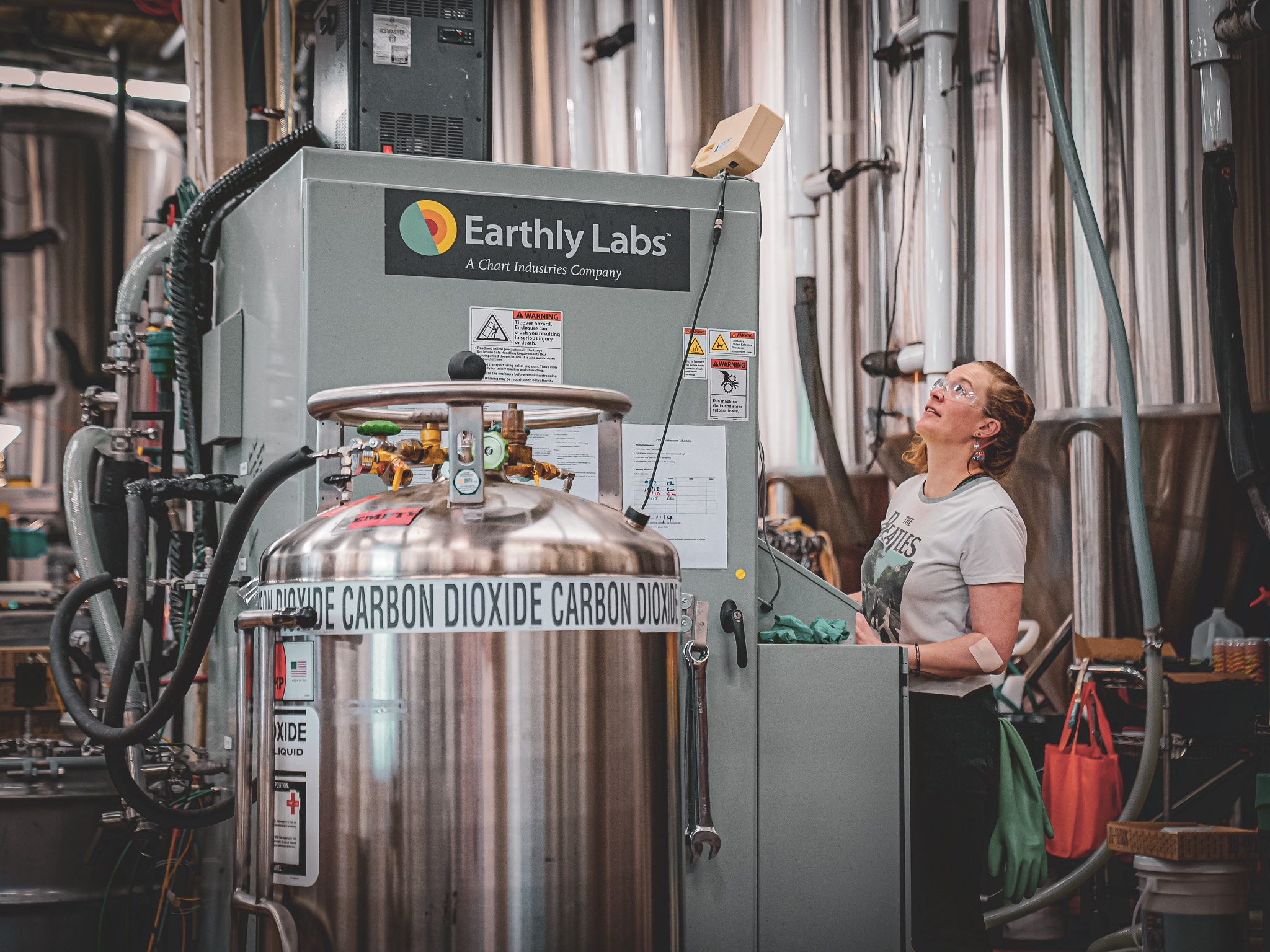
A woman controls an Earthly Labs-branded machine in a factory setting; a tank that says “carbon dioxide” is in the foreground.
A brewer makes adjustments to the Earthly Labs carbon-capture unit, which purifies carbon dioxide from the beer brewing process for use in carbonation.
Credit: Chart Industries Inc.

In 2021, Maine Beer Company’s carbon dioxide supplier ran short on carbon dioxide.

“There was potential for our beer to go stale in the tanks,” said Dave Love, the brewery’s sustainability manager. “We wouldn’t be able to use CO2 for any of our bottling, kegging, or centrifuge operations.”

The solution the company settled on originated on Mars — or more specifically, in NASA’s plans for harvesting resources from the Red Planet. Now it’s saving money and reducing emissions for wineries, distilleries, power companies, helium producers, and more.

Beginning in the 1990s, the company Pioneer Astronautics won multiple Small Business Innovation Research (SBIR) contracts from Johnson Space Center in Houston to build systems that could generate resources on Mars. The technology could, for example, capture carbon dioxide from the Martian atmosphere and combine it with hydrogen to produce water for life support and methane for rocket fuel. These capabilities weren’t entirely new, but Pioneer’s systems were compact, efficient, and automated.

Later, Pioneer Astronautics founder Robert Zubrin created Pioneer Energy to rearrange these subsystems into technology for the oil and gas industry (Spinoff 2015, 2020). He soon realized technology for capturing and purifying carbon dioxide on Mars could do the same in a brewery, capturing CO2 from the brewing process for use in carbonation. By 2015, the Craft Brewery Recovery System was in production (Spinoff 2016). In the end, though, the company put the system up for licensing.

Amy George founded Earthly Labs of Austin, Texas, in 2016 to develop small-scale carbon capture. She discovered the Craft Brewery Recovery System and obtained an exclusive license. 

Since the pandemic reduced its availability, carbon dioxide has continued experiencing shortages and volatility, and George said these have emerged as major drivers of interest in the technology. 

And it isn’t just helping brewers. After expanding into wineries and distilleries, Earthly Labs started discovering other markets. Energy companies often generate carbon dioxide as a by-product, which they can sell if it’s captured. Several are now customers.

Another application finding new customers is helium production. Helium, which is used to make microchips and fiber-optic cables, among other applications, is found in underground deposits, mixed with other gases, such as methane and carbon dioxide, that need to be separated. 

In 2021, Earthly Labs was acquired by Chart Industries Inc., which specializes in cryogenic equipment engineering and has helped scale up the technology for applications like power plants.

Details

Last Updated

Sep 24, 2026

Source: www.nasa.gov

NASA Aircraft to Make Low-Altitude Research Flights Over Colorado

A two-engine aircraft sitting in front of a hangar.
A photo of the Dynamic Aviation A200 aircraft, which will conduct low-flying research flights over farmland near Greeley, Colorado, to measure emissions in October 2026.
Dynamic Aviation

Agricultural emissions represent an important and understudied part of Earth’s land and atmosphere systems. The FarmFlux mission will deploy more than a dozen sensors to measure ozone, methane, ammonia, particulates, and other pollutants rising from agricultural lands and animal farms and the interaction with the Earth’s atmosphere. The mission is jointly led by NASA’s Goddard Space Flight Center in Greenbelt, Maryland; Colorado State University; and Boston University. 

The Colorado deployment is the first series of flights for the FarmFlux mission. Additional low-altitude research flights are scheduled over farmland in Amarillo, Texas, from late October to early November. For the March to July 2027 growing season, research flights with a NASA P-3 Orion aircraft are scheduled in the Midwest and California’s Central Valley with a focus on croplands. 

For more information about the FarmFlux mission, visit:

https://espo.nasa.gov/farmflux

By Sharon Teitelbaum

NASA’s Ames Research Center in California’s Silicon Valley

Source: www.nasa.gov

NASA’s Hubble Telescope Reaches Milestone, Looks for Elusive Supernova

Several galaxies shine against black space, with a large cluster near center-left.
An image from NASA’s Hubble Space Telescope of galaxy cluster MACS J0417 is part of repeated observations to monitor for the reappearance of supernova Athena, which can help astronomers measure the expansion rate of the universe.
NASA, ESA, STScI, M. Pascale (UCLA); Image Processing: J. DePasquale (STScI)

NASA’s Hubble Space Telescope captured this image of massive galaxy cluster MACS J0417 (left of center) on Sept. 19, 2026. This galaxy cluster acts as a gravitational lens, bending and magnifying light from objects far behind it. Supernova Athena, discovered by NASA’s James Webb Space Telescope in 2025, is predicted to reappear between now and early March 2027. Measuring the timing of Athena’s reappearances can help researchers map the mass of MACS J0417, which acts as a magnifying, foreground lens for distant objects, and refine our understanding of the expansion rate of the universe.

Hubble also completed its 200,000th orbit around Earth on Sept. 19, marking another new milestone for an observatory that continues to transform our understanding of the universe.

Read more about Hubble and this recent milestone.

Image credit: NASA, ESA, STScI, M. Pascale (UCLA); Image Processing: J. DePasquale (STScI)

Source: www.nasa.gov
Arctic Sea Ice Reaches 2026 Annual Minimum Extent

Daily images of ice cover in the Arctic Ocean show sea ice melting around the pole from March 15, 2026 to Sept. 12, 2026.
Trent Schindler/NASA’s Scientific Visualization Studio

Arctic sea ice reached its annual minimum extent on Sept. 12, according to NASA and the National Snow and Ice Data Center (NSIDC) at the University of Colorado Boulder. The ice covered an estimated 1.78 million square miles (4.6 million square kilometers), tying 2008, 2010, and 2025 for the 10th-lowest minimum in the satellite record.

The 2026 minimum is consistent with patterns observed in the satellite record. The past 20 years, from 2007 through 2026, have produced the 20 lowest annual Arctic sea ice minimum extents observed since continuous satellite measurements began in late 1978.

Arctic sea ice grows during the dark, cold autumn and winter and retreats as temperatures rise during spring and summer, typically reaching its lowest extent in September. Weather conditions can cause substantial differences in the amount of ice that melts from one summer to another.

Over the last decade, for example, increased cloud cover has prevented solar radiation from further accelerating the melt of sea ice, according to Linette Boisvert, a sea ice scientist at NASA’s Goddard Space Flight Center in Greenbelt, Maryland.

That has contributed to relatively stable September sea ice extent in recent years. “We’ve plateaued, but we’re still low relative to the earlier part of the record,” said Walt Meier, a senior research scientist at NSIDC.

Antarctic sea ice extent approaches annual maximum

At the opposite end of the planet, Antarctic sea ice is approaching its annual maximum following a fluctuation during August.

Sea ice around Antarctica declined by roughly 116,000 square miles (300,000 square kilometers) over a six-day period before resuming its seasonal growth. Meier said the decline appeared to be associated with weather conditions that pushed and compacted the thin, mobile ice near its outer edge.

“Those types of things happen all the time,” Meier said. “But the magnitude of it certainly is unusual.”

Antarctic sea ice varies more from year to year than Arctic sea ice because, in contrast to the Arctic, it is not surrounded by land and can respond more freely to changing wind and weather conditions. But Antarctic sea ice extent at its annual maximum has generally been lower in recent years. Because of this large year-to-year variability, Boisvert and Meier remain cautious about characterizing the change as a long-term trend.

Scientists have tracked polar sea ice from space for nearly five decades. During that time, NASA and the National Oceanic and Atmospheric Administration (NOAA) used a series of satellite instruments to maintain a continuous sea ice record, beginning with NASA’s Nimbus-7 satellite, which began observations in October 1978. The record continued with instruments aboard Defense Meteorological Satellite Program satellites beginning in 1987 and NASA’s Aqua satellite from 2002 to 2011. Today, scientists continue the record using data from the Advanced Microwave Scanning Radiometer 2 (AMSR2), launched in 2012 aboard JAXA’s (Japan Aerospace Exploration Agency) GCOM-W satellite.

Antarctic sea ice typically reaches its annual maximum in late September or early October. NASA and NSIDC will announce the 2026 maximum after scientists confirm that seasonal ice growth has ended.

Media contact: Elizabeth Vlock
NASA Headquarters

Source: science.nasa.gov

Shannon Lucid’s Record-Setting Mission Aboard Mir

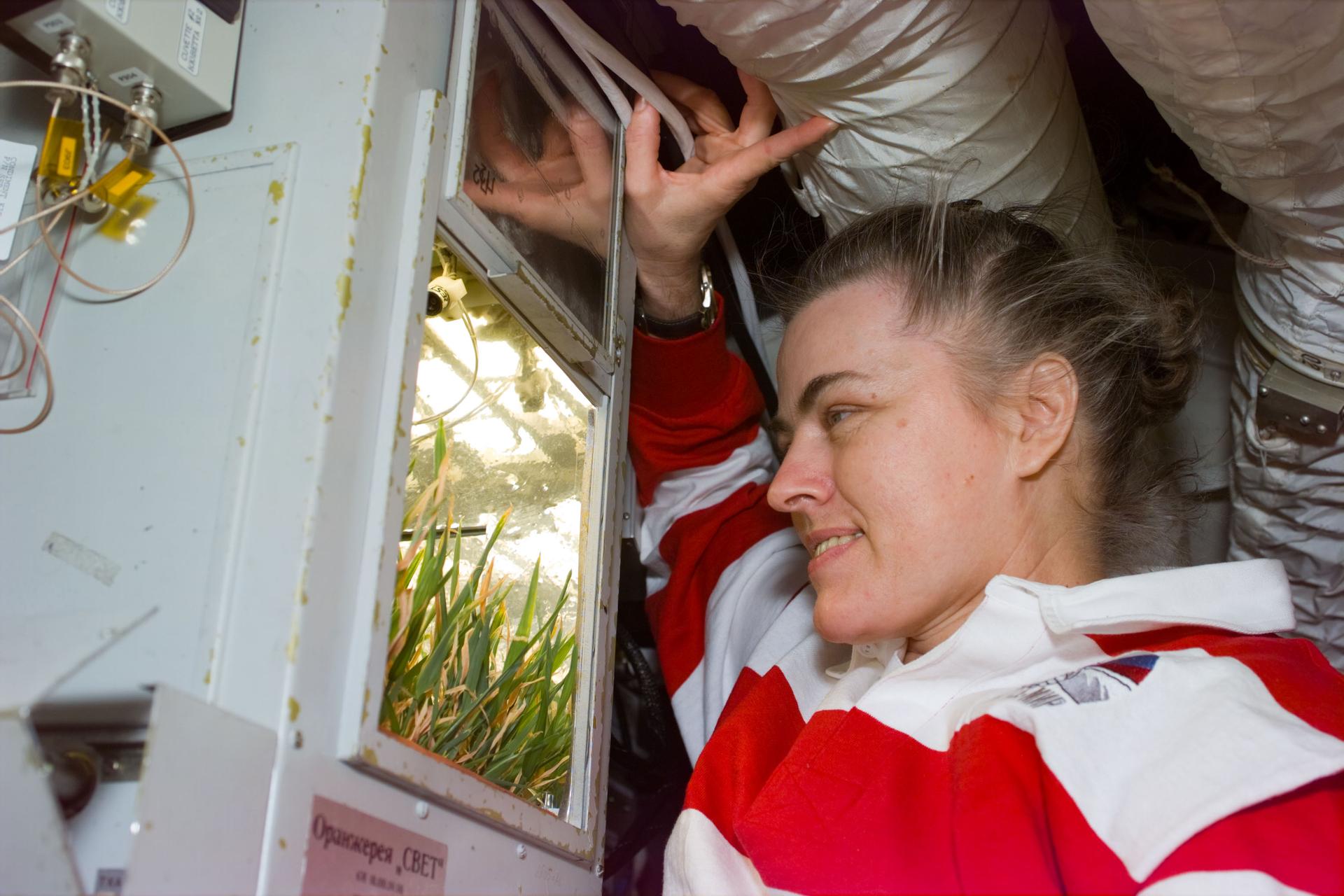
Shannon Lucid on Mir looking at wheat growing in a small greenhouse
Astronaut Shannon W. Lucid checked on wheat plants aboard Russia’s Mir Space Station on Sept. 23, 1996. Lucid left Mir later that day along with the rest of the STS-79 crew except for John E. Blaha, who was beginning a four-month stay aboard the station.
NASA

Shannon Lucid’s Record-Setting Mission Aboard Mir 

Three days before returning to Earth, Shannon W. Lucid—who joined NASA in 1978 as one of its first six female astronauts—checked in on wheat growing in the Svet greenhouse aboard the Russian space station Mir. For six months, Lucid lived and worked alongside two Russian cosmonauts conducting life science studies and other experiments in microgravity.

Lucid returned to Earth aboard space shuttle Atlantis on Sept. 26, 1996, completing a 188-day mission—a new record for both a woman and for an American. Lessons from her time on Mir helped NASA prepare for the psychological and cultural challenges of long-duration missions on the International Space Station.  

In December 1996, President Bill Clinton awarded Shannon Lucid the Congressional Space Medal of Honor for her achievement. She was the tenth person and the first woman to receive this award.

After her mission on Mir, Lucid continued to serve NASA in key roles on the ground. She worked as a CAPCOM in Mission Control, where she was the primary voice communicating with astronauts in orbit. Later, she served as NASA’s Chief Scientist, helping guide the agency’s science priorities. Lucid retired from NASA in 2012 after a career that spanned more than three decades.

Details

Last Updated

Sep 23, 2026

Source: www.nasa.gov
FFA 2026 Hyperwall Schedule

FFA 2026

Join NASA in the Exhibit Hall (Booth #648) for Hyperwall Storytelling by NASA experts. Full Hyperwall Agenda below.

TUESDAY, OCTOBER 20

10:00 AM NISAR Updates, One Year After Launch Paul Rosen, Marco Lavelle 
10:15 AM NOAA Geostationary Satellites: Valuable Data for both Research and Operational Use Dan Lindsey
3:00 PM  Discovering Mineral Resources with NASA Imaging Spectroscopy Robert O. Green
3:15 PM 
The Importance of Satellite Ocean Observations at NOAA
Paul Chang

Source: science.nasa.gov

Risk of Hydrazine Use Following Freeze–Thaw Exposure

For more information, contact Jonathan E. Jones, Langley Research Center, [email protected]

Download the PDF version

The purpose of this Technical Bulletin is to communicate the risks associated with freeze–thaw cycles in hydrazine monopropellant systems and to provide general recommendations for mitigating damage, operational hazards, and loss of system reliability in propulsion and auxiliary hydrazine systems.

Background
Hydrazine (N2H4) freezes near 1.6°C, and its phase transition is known to introduce risks to flight hardware. Multiple NASA programs have historically encountered hydrazine freeze related issues:

• Space Shuttle APU hydrazine lines were vulnerable to freeze induced contraction followed by thaw induced over expansion, capable of bursting plumbing. Shuttle flight rules permitted no more than two freeze–thaw cycles before considering the system degraded or failed.1

• Voyager propulsion systems faced mission threatening scenarios as hydrazine temperatures approached the freezing/slush formation range (0.1–1.6°C). Detailed thermal modeling was required to prevent freezing of lines, blockage, and thruster malfunction.2

• Hydrazine thermodynamic properties confirm significant changes in density and pressure across phase transitions, emphasizing the sensitivity of propellant lines to freeze–thaw stress.3

These combined lessons form the basis for risk identification and mitigation.

Problem Summary
Freeze–thaw exposure of hydrazine systems presents the following critical risks:

• Structural Damage Hydrazine contraction during freezing allows additional propellant into confined lines, producing “superpacked” conditions that cause line or fitting rupture upon thaw.2

• Valve, Seal, and Diaphragm Compromise Elastomeric components and precision valve seats may experience cracking, distortion, or loss of sealing capability due to differential thermal expansion. Voyager thermal assessments highlighted susceptibility of long stainless steel runs to asymmetric temperature profiles.2

• Line Blockage and Slush Formation Partially thawed hydrazine can remain “slushy,” restricting flow, altering mass flow rates, and causing thruster hard starts or misfires.2

• Hazardous Leaks Freeze induced damage may allow hydrazine to escape confinement, posing significant toxicity, reactivity, and ground crew exposure hazards.

• Loss of System Reliability As documented in Shuttle operations, hydrazine systems exposed to freeze–thaw cycles become life limited, reducing redundancy and mission availability.1

• Thermal Margin Uncertainty Voyager experience demonstrated that simple temperature readings cannot reliably determine true line temperature, necessitating high fidelity thermal modeling.2

Recommendations Prevention Measures
• Maintain Hydrazine Above Freezing Margin Keep all hydrazine systems above freezing, using heaters, insulation, blankets, or warm gas purge. Include uncertainty analysis in modeling and testing to ensure appropriate margins against freezing are maintained during all phases of operation.

• Avoid Uncontrolled Cooling During Ground Operations Ensure that tank, line, and valve components remain in environmentally controlled areas until integrated into the vehicle.

Post Freeze Response Protocol
If freezing cannot be ruled out:

• Suspend System Use Do not operate the hydrazine system until engineering evaluation is completed.

• Assess Number of Freeze–Thaw Cycles Treat each cycle as life limiting, an engineering assessment (static and fatigue) should be conducted based on conservative estimates of the line pressures during/after freeze/thaw cycles to understand potential line/component damage. Appropriate margin should be applied based on analysis uncertainty and/or underlying assumptions.

• Conduct Integrity Verification Perform pressure decay tests, NDE (if design allows), and valve health assessments.

• Implement Slow, Uniform Thawing To prevent thaw induced over pressure, warm hardware gradually and evenly. Shuttle experience with “superpacking” reinforces the necessity of controlled thawing.

Thruster and Valve Operational Readiness
• Ensure catalyst beds and valves reach proper thermal operating conditions before commanding any flow.

• Conduct pre start thermal stabilization periods, especially when flight readiness temperatures are marginal.

Thermal Modeling and Monitoring
• Utilize high fidelity thermal line modeling, emulating Voyager’s detailed propellant line modeling approach.2

• Avoid relying solely on bulk plate or tank temperatures to infer line readiness.

• Use thermal analysis and test to guide instrumentation placement on of the flight systems to monitor key temperatures set points.

Documentation and Incident Tracking
• Record all freeze exposures as reportable anomalies.

•Assign engineering disposition and track hardware life reduction accordingly.

Conclusion
Hydrazine freeze–thaw cycles present significant structural, operational, and safety risks for propulsion and auxiliary systems. Historical NASA programs show that prevention of hydrazine freezing is the most effective mitigation, with freeze exposure requiring formal engineering assessment, life limit adjustments, and controlled recovery procedures. Adhering to these recommendations will reduce risk to personnel, flight hardware, and mission success.

References
1. Space Shuttle Operational Flight Rules, Vol. A. All Flights, Mission Operations Diretorate, 20 June 2002. 2. W. C. Ledeboer, “Creating a Voyager Thermal Model 39 Years Into the Flight Mission, Along With Model Correlation and Application,” 8 July 2018. 3. J. L. Haws and B. G. Harden, “Thermodynamic Properties of Hydrazine,” Nov 1965.

Source: www.nasa.gov