NASA Deep Space Network’s New Goldstone Antenna Goes Online

1 Min Read

NASA Deep Space Network’s New Goldstone Antenna Goes Online

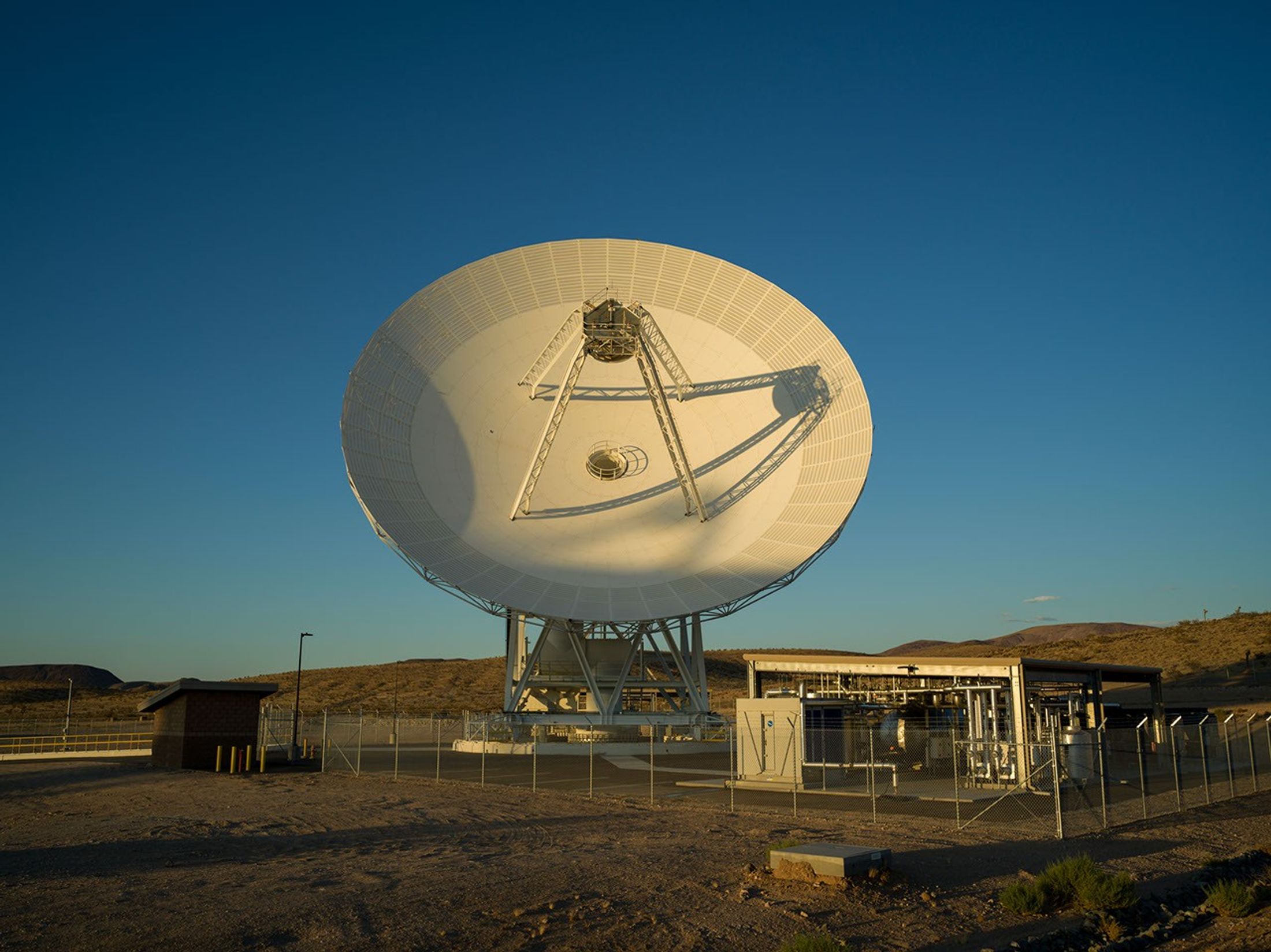
A massive white satellite dish antenna stands on a desert plain under a clear blue sky, bathed in warm sunlight alongside small facility structures.

PIA26778

Credits:
NASA/JPL-Caltech

Description

Long shadows are cast by the recently completed Deep Space Station 23 at the Deep Space Network’s Goldstone complex near Barstow, California, in August 2026. A 34-meter (114-foot) multifrequency beam-waveguide antenna, DSS-23 will boost the DSN’s capacity and enhance NASA’s deep space communications capabilities for decades to come.

NASA leadership and personnel as well as dignitaries gathered at the complete DSS-23 antenna for a ceremonial ribbon cutting on Aug. 25, 2026. It’s the latest antenna to be added as part of the Deep Space Network’s Aperture Enhancement Project, which began in 2009 to upgrade and expand the network by adding six new 34-meter multifrequency beam-waveguide antennas. These versatile Deep Space Network dishes can enhance many missions operating over different radio frequencies. 

The DSN allows missions to track, send commands to, and receive scientific data from faraway spacecraft. It is managed by NASA’s Jet Propulsion Laboratory, a division of Caltech, in Southern California for the agency’s Space Communications and Navigation (SCaN) Program, which is located at NASA Headquarters within the Research and Technology Mission Directorate.

For more information about the DSN, visit:

https://www.nasa.gov/communicating-with-missions/dsn/

Source: science.nasa.gov
Panorama Showcasing the 34-Meter Antennas of the DSN’s Goldstone Complex

2 Min Read

Panorama Showcasing the 34-Meter Antennas of the DSN’s Goldstone Complex

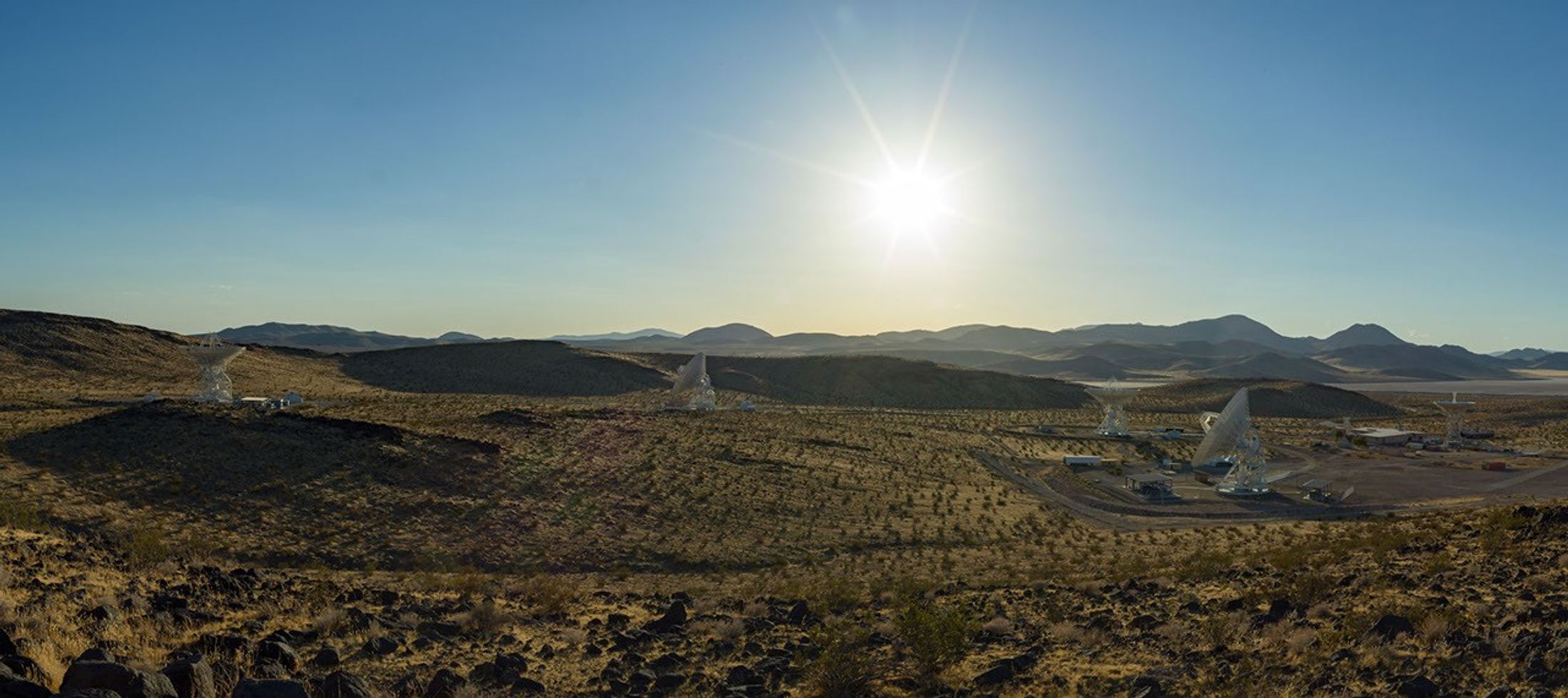
A wide desert landscape featuring several large white satellite dishes pointing toward a bright sun shining in a clear blue sky above distant mountain ranges.

PIA26777

Credits:
NASA/JPL-Caltech

Description

Five antennas soak in the summer sun at the Deep Space Network’s Goldstone complex near Barstow, California, in August 2026. The recently completed Deep Space Station 23, a 34-meter (114-foot) beam-waveguide antenna, can be seen to the right of the frame in the foreground. The other three 34-meter antennas are, from left, DSS-26, DSS-25, and DSS-24. At farthest right is a smaller 26-meter (85-foot) antenna, the retired “Apollo Antenna” that was built in 1967 as part of the Manned Space Flight Network and earned its nickname for providing tracking for the Apollo Program.

NASA leadership and personnel as well as dignitaries gathered at the complete DSS-23 antenna for a ceremonial ribbon-cutting on Aug. 25, 2026. It’s the latest antenna to be added as part of the Deep Space Network’s Aperture Enhancement Project, which began in 2009 to upgrade and expand the network by adding six new 34-meter multifrequency beam-waveguide antennas. These versatile Deep Space Network (DSN) dishes can enhance many missions operating over different radio frequencies. 

The DSN allows missions to track, send commands to, and receive scientific data from faraway spacecraft. It is managed by NASA’s Jet Propulsion Laboratory in Southern California, a division of Caltech, for the agency’s Space Communications and Navigation (SCaN) Program, which is located at NASA Headquarters within the Research and Technology Mission Directorate.

For more information about the DSN, visit:

https://www.nasa.gov/communicating-with-missions/dsn/

Source: science.nasa.gov

How to Play Sweepstakes Casino: A Complete Guide

What is a Sweepstakes Casino?

A sweepstakes casino is an online gaming platform that operates under a legal framework different from traditional online casinos. Instead of wagering real money directly, players participate through sweepstakes entries, earning virtual credits that can be redeemed for real cash prizes. This unique model allows sweepstakes casinos to operate in states where traditional online gambling is restricted.

Key Characteristics of Sweepstakes Casinos

  • No Direct Wagering: Players don’t bet real money; instead, they purchase virtual credits or receive free ones
  • Prize-Based Model: Winnings are part of a sweepstakes drawing or instant win system
  • Skill or Chance: Games are based on either skill (sweepstakes skill games) or pure chance (sweepstakes slots)
  • Free Entry Option: Most platforms allow free entry to sweepstakes through promotional offers
  • Cashout Capability: Accumulated credits can typically be converted into real money prizes

Getting Started: Step-by-Step

1. Create an Account

  • Visit a licensed sweepstakes casino website
  • Provide personal information (name, email, date of birth)
  • Verify age (must be 18+ or 21+ depending on state regulations)
  • Complete identity verification if required
  • Set up payment method for deposits (optional, as free play is usually available)

2. Claim Your Welcome Bonus

  • Top sweepstakes casinos offer free credits to new players
  • No purchase necessary welcome bonuses are common
  • Read the terms and conditions for any wagering requirements
  • Credits appear in your account instantly or within 24 hours

3. Browse Available Games

  • Sweepstakes slots: Digital slot machine games
  • Skill-based games: Games requiring player ability
  • Table game recreations: Blackjack, roulette, poker variations
  • Specialty games: Bingo, keno, scratch cards
  • Live dealer games: Available in some jurisdictions

4. Place Your Entries

  • Select your game
  • Choose your bet amount (using virtual credits)
  • Click “Play” or “Spin”
  • Place your entry/wager using your bonus credits
  • Wait for game results (instant for most games)

5. Understand the Mechanics

  • Each spin or play uses a set number of credits
  • Wins add credits to your balance
  • Losses reduce your credit balance
  • Bonus credits may have separate play-through requirements
  • Different games may have different RTP (Return to Player) percentages

Playing Different Game Types

Sweepstakes Slots

  • Digital versions of traditional slot machines
  • Paylines, reels, and special symbols (wilds, scatters)
  • Bonus features and free spin rounds
  • Hit play and wait for results
  • Prizes determined by symbol combinations

Skill-Based Games

  • Require player decision-making
  • Examples: card games, puzzle games, trivia
  • Outcome partially depends on player choices
  • Higher potential rewards in some jurisdictions
  • Different strategies yield different results

Table Game Recreations

  • Blackjack variations with simplified rules
  • Roulette-style number prediction games
  • Poker-inspired card games
  • Follow standard game rules adapted for sweepstakes format
  • Single or multi-player options

Managing Your Credits

Earning More Credits

  • Winning at Games: Most common way to accumulate credits
  • Daily Bonuses: Log in daily for free credit bonuses
  • Promotional Offers: Special promotions during holidays or events
  • Referral Bonuses: Earn credits by inviting friends
  • Loyalty Programs: Rewards for consistent play
  • Purchase Options: Some platforms allow buying credits (varies by state)

Redeeming Your Credits

  • Minimum redemption threshold (typically $20-$100)
  • Cash withdrawal to bank account (7-10 business days typical)
  • Gift cards or prize rewards
  • Sweep credits or tokens conversion
  • Prize drawings (some platforms use drawing-based redemption)

Important Gameplay Tips

1. Understand Volatility

  • High volatility games: Larger wins but less frequently
  • Low volatility games: Smaller wins but more consistently
  • Choose based on your preference and bankroll

2. Track Your Play

  • Monitor credits earned and spent
  • Keep records for taxation purposes (sweepstakes winnings may be taxable)
  • Note bonus expiration dates

3. Manage Responsibly

  • Set daily or weekly credit limits
  • Never spend more than you can afford
  • Take breaks between gaming sessions
  • Use self-exclusion tools if needed

4. Read Terms and Conditions

  • Understand wagering requirements
  • Know bonus expiration timelines
  • Check redemption policies
  • Review withdrawal fee structures

5. Use Bonuses Wisely

  • Bonus credits often have play-through requirements (20x-50x common)
  • Some games may not count toward wagering requirements
  • Free spins may be restricted to specific games
  • Time limits often apply to bonus credits

Payment and Withdrawal Process

Depositing Funds

  1. Navigate to “Cashier” or “Payments” section
  2. Select deposit method (credit card, debit card, e-wallet, etc.)
  3. Enter amount
  4. Complete transaction
  5. Credits appear immediately or within 24 hours
  6. Bonus may be automatically added

Withdrawing Winnings

  1. Check minimum withdrawal amount
  2. Go to “Cashier” or “Payments”
  3. Select “Withdraw” or “Cash Out”
  4. Choose withdrawal method
  5. Enter amount
  6. Verify withdrawal
  7. Wait for processing (3-10 business days typically)

What to Expect: Common Scenarios

Winning at a Game

  • Win amount automatically added to your balance
  • Winnings from bonus credits may have additional restrictions
  • Real money winnings usually available for withdrawal immediately
  • Bonus credits must meet wagering requirements first

Running Out of Credits

  • Use daily login bonuses to earn free credits
  • Claim promotional bonuses when available
  • Make a deposit to continue playing
  • Wait for the next bonus rotation

Bonus Expiration

  • Unused bonuses typically expire after 30-60 days
  • Some bonuses have time-limited offers
  • Play through requirements must be completed before expiration
  • Check your account for bonus timers

Security and Fair Play

  • Reputable sweepstakes casinos use SSL encryption
  • Games use certified Random Number Generators (RNG)
  • Licensed platforms are audited regularly
  • Your personal and financial data should be protected
  • Look for gambling licenses and regulatory approvals

Summary Checklist Before You Play

✓ Verify the platform is licensed in your state
✓ Confirm you meet age requirements (18+ or 21+)
✓ Review terms and bonus conditions
✓ Understand the games you’re playing
✓ Set a personal budget and stick to it
✓ Know the minimum withdrawal amount
✓ Check processing times for withdrawals
✓ Use responsible gambling tools
✓ Keep records of your play for taxes

Best Sweepstakes casinos offer an exciting way to enjoy casino games in states where traditional online gambling isn’t available. By understanding the rules and playing responsibly, you can maximize your entertainment value while managing your credits wisely.

NASA’s Artemis II Crew Receives Congressional Space Medal of Honor

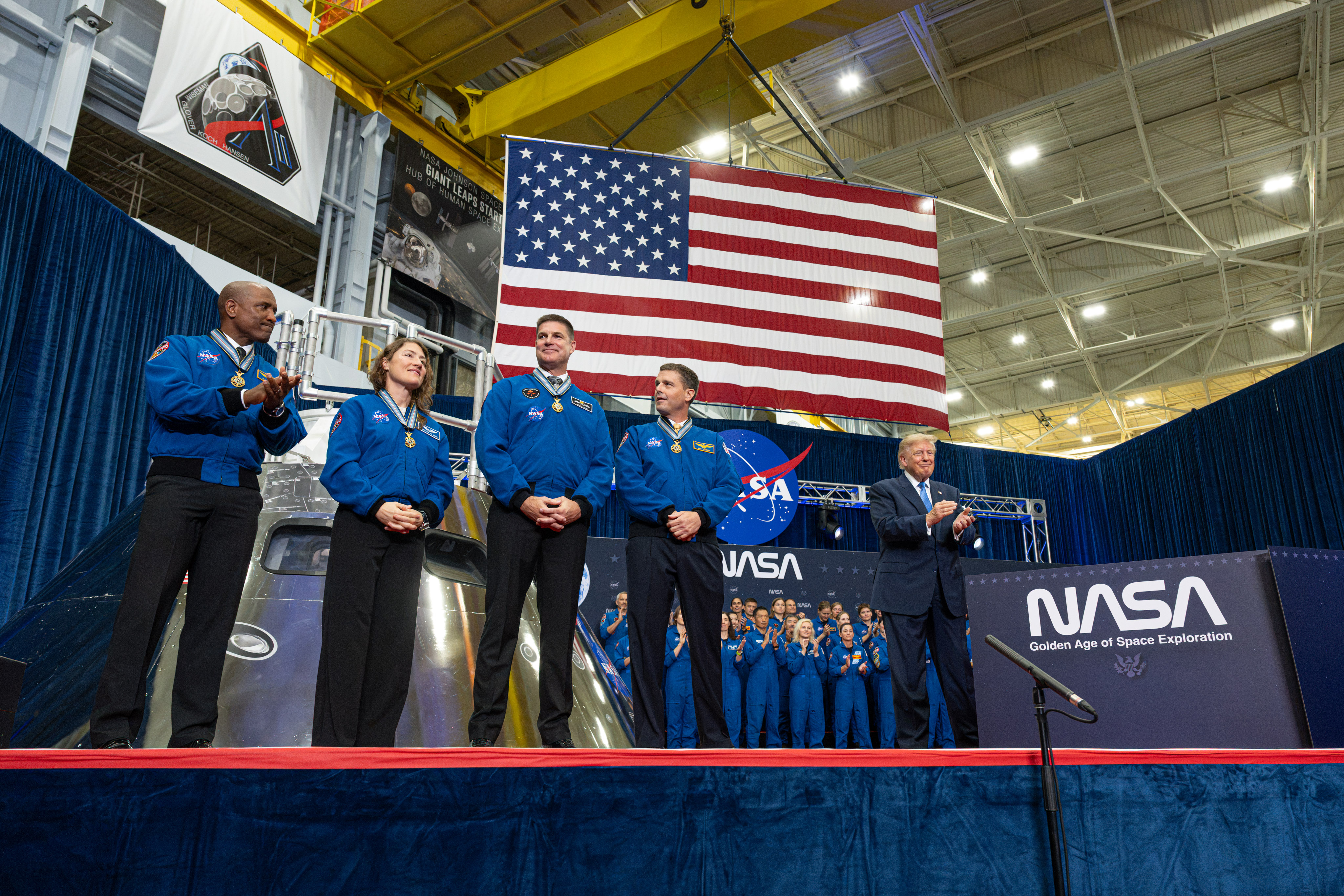
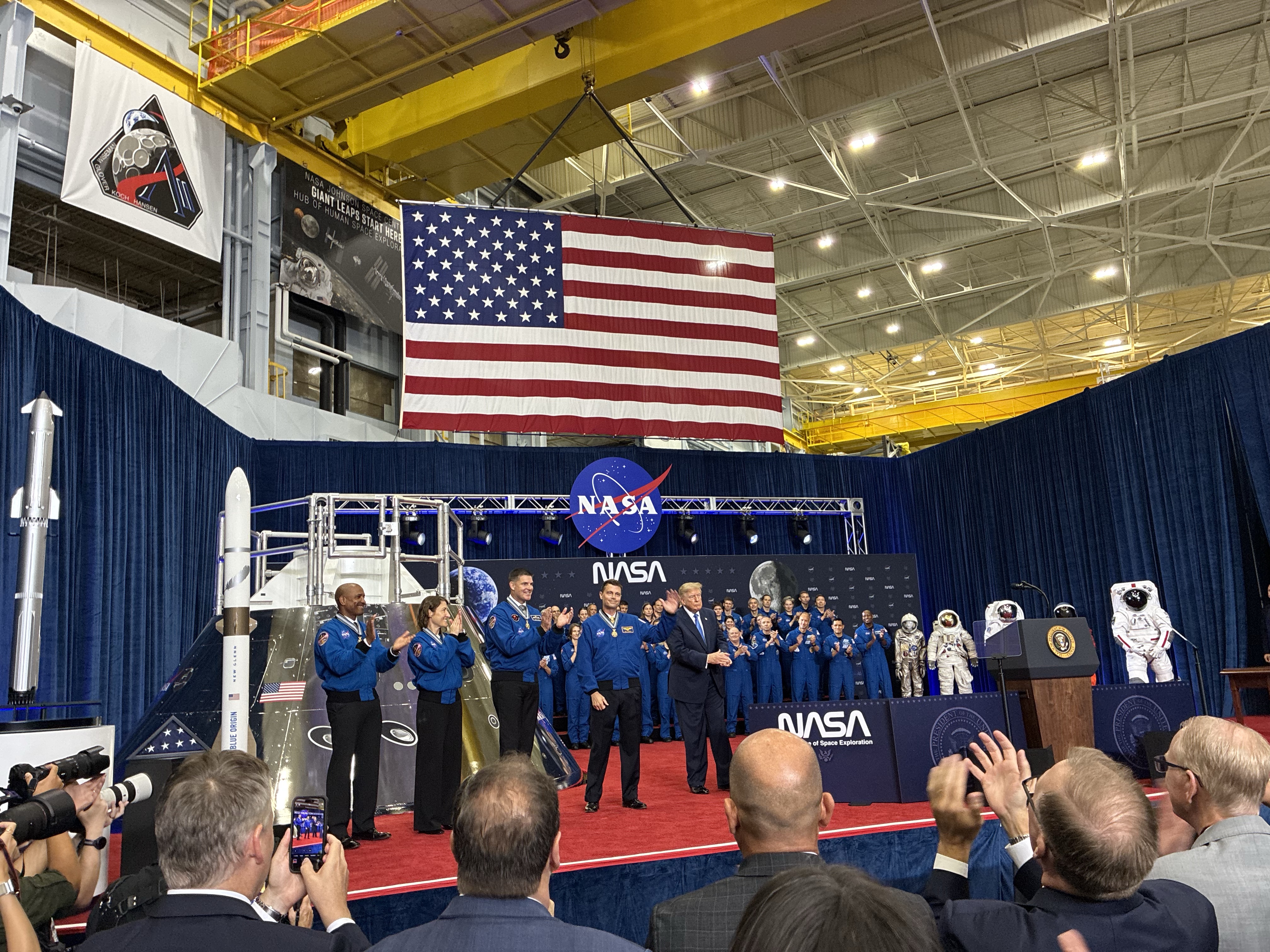
The four members of the Artemis II mission stand on stage after receiving the Congressional Space Medal of Honor. To their right is President Trump.
President Donald J. Trump awarded NASA astronauts Victor Glover and Christina Koch, CSA (Canadian Space Agency) astronaut Jeremy Hansen, and NASA astronaut Reid Wiseman with the Congressional Space Medal of Honor on Aug. 28, 2026, at NASA’s Johnson Space Center in Houston.
NASA/John Kraus

From left to right: NASA astronauts Victor Glover and Christina Koch, CSA (Canadian Space Agency) astronaut Jeremy Hansen, and NASA astronaut Reid Wiseman receive the Congressional Space Medal of Honor from President Donald J. Trump on Aug. 28, 2026, for their service during the Artemis II mission.

The Congressional Space Medal of Honor was authorized by Congress in 1969 to recognize an astronaut who in the performance of duties has distinguished himself or herself by exceptionally brave and meritorious efforts, and contributions to the welfare of the nation and humanity. There now are 34 recipients of the award since the beginning of the space program, including the crews of Apollo 1, Challenger, and Columbia who received the award posthumously.

Image credit: NASA/John Kraus

Source: www.nasa.gov

President Honors NASA’s Artemis II Crew with Highest US Space Award

President Donald J. Trump awarded NASA astronauts Reid Wiseman, Victor Glover, and Christina Koch, and CSA (Canadian Space Agency) astronaut Jeremy Hansen with the Congressional Space Medal of Honor on Aug. 28, 2026, at NASA’s Johnson Space Center in Houston.
Credit: NASA

President Donald J. Trump awarded NASA astronauts Reid Wiseman, Victor Glover, and Christina Koch, and CSA (Canadian Space Agency) astronaut Jeremy Hansen with the Congressional Space Medal of Honor Friday for their service during the Artemis II mission. He presented the awards during a ceremony at NASA’s Johnson Space Center in Houston, honoring the first medal recipients since 2023.

NASA’s historic Artemis II mission launched on April 1, and splashed down safely in the Pacific Ocean on April 10. The crew members were the first astronauts to launch on the agency’s SLS (Space Launch System) rocket, flying aboard NASA’s Orion spacecraft, which the crew named Integrity. During their record-setting mission, the astronauts traveled 252,756 miles from Earth, farther than any humans have traveled before, surpassing a previous record set by Apollo 13 astronauts in 1970. In total, they flew 695,081 miles, including a lunar flyby.

“We gather on these historic grounds to celebrate the immense courage of four intrepid space heroes whose sense of daring and adventure led them further from Earth than anyone has ever traveled ever before,” said President Trump. “Today we’re proudly awarding the Congressional Space Medal of Honor to the remarkable crew of Artemis II. These astronauts did not do it alone. I want to salute all of the engineers, and scientists, launch and landing specialists, everyone at NASA who helped make this mission a great success.”

The Congressional Space Medal of Honor was authorized by Congress in 1969 to recognize an astronaut who in the performance of duties has distinguished himself or herself by exceptionally brave and meritorious efforts, and contributions to the welfare of the nation and humanity. There now are 34 recipients of the award since the beginning of the space program, including the crews of Apollo 1, Challenger, and Columbia who received the award posthumously.

“President Trump’s leadership has put America back on a path to lead the world in space, from creating the Artemis program to giving NASA the resources and mandate to win this new space race,” said NASA Administrator Jared Isaacman. “The Artemis II crew answered that call with extraordinary skill and courage, showing the world the Moon again and what American leadership and exploration look like at their best. Their achievement was made possible by the exceptional NASA workforce, alongside our industry and international partners, who showed once again what can be accomplished when we commit to big, bold endeavors. We will build on this success as we return to the lunar surface and establish an enduring presence on the Moon.”

The first crewed mission under NASA’s Artemis program paved the way for the 2027 Artemis III test flight in low Earth orbit to demonstrate rendezvous and docking capabilities between Orion and commercial human landing systems, and the Artemis IV mission in 2028, which will return American astronauts to the lunar surface.

“It was the honor of my lifetime to fly on Integrity around the Moon with Victor, Christina, and Jeremy. Having President Trump here at the agency’s Johnson Space Center to honor NASA and my crew underscores the significance of what our teams accomplished,” said Wiseman, who served as commander of the mission. “I can’t wait to see my friends continue this legacy on Artemis III.”

Glover served as pilot of the Orion spacecraft.

“Piloting Orion for the first time in space was a profound honor, made possible because of the years of hard work, dedication, and expertise by countless individuals dedicating their time and talents to the mission,” said Glover. “We share this recognition with the thousands of people who launched us around the Moon and brought us safely back to Earth.”

Koch served as a mission specialist.

“The response to our mission here on Earth was beyond anything we ever imagined and all we ever hoped for. We are grateful every time we hear from people who followed along with our journey. As team members on this shared mission, we accept this award to honor those who made it happen, from factory floors to clean rooms and mission control rooms,” said Koch.

Hansen also served as a mission specialist.

“It is a privilege to receive the Congressional Space Medal of Honor alongside my Artemis II crewmates,” said Hansen. “I share this recognition with the dedicated teams in Canada, the United States, and our international partners who made the mission possible. Artemis II showed what we can accomplish for humanity when we set ambitious goals and work together. For Canada, the mission and the Artemis program as a whole are about much more than just going back to the Moon. It is about the pursuit of excellence and collaboration.”

As part of a Golden Age of innovation and exploration, NASA will send Artemis astronauts on a series of challenging missions to explore more of the Moon and establish a Moon Base on the lunar surface for long-term exploration. These missions will set the stage for sending the first astronauts — Americans — to Mars. Learn more:

https://www.nasa.gov/artemis

-end-

Bethany Stevens / Cheryl Warner
Headquarters, Washington
202-358-1600
[email protected] / [email protected]

Brandi Dean / Chelsey Ballarte
Johnson Space Center, Houston
281-483-5111
[email protected] / [email protected]

Details

Last Updated

Aug 28, 2026

Editor
Jessica Taveau

Related Terms

Source: www.nasa.gov

NASA Astronaut Jonny Kim Departs Agency to Continue Military Service

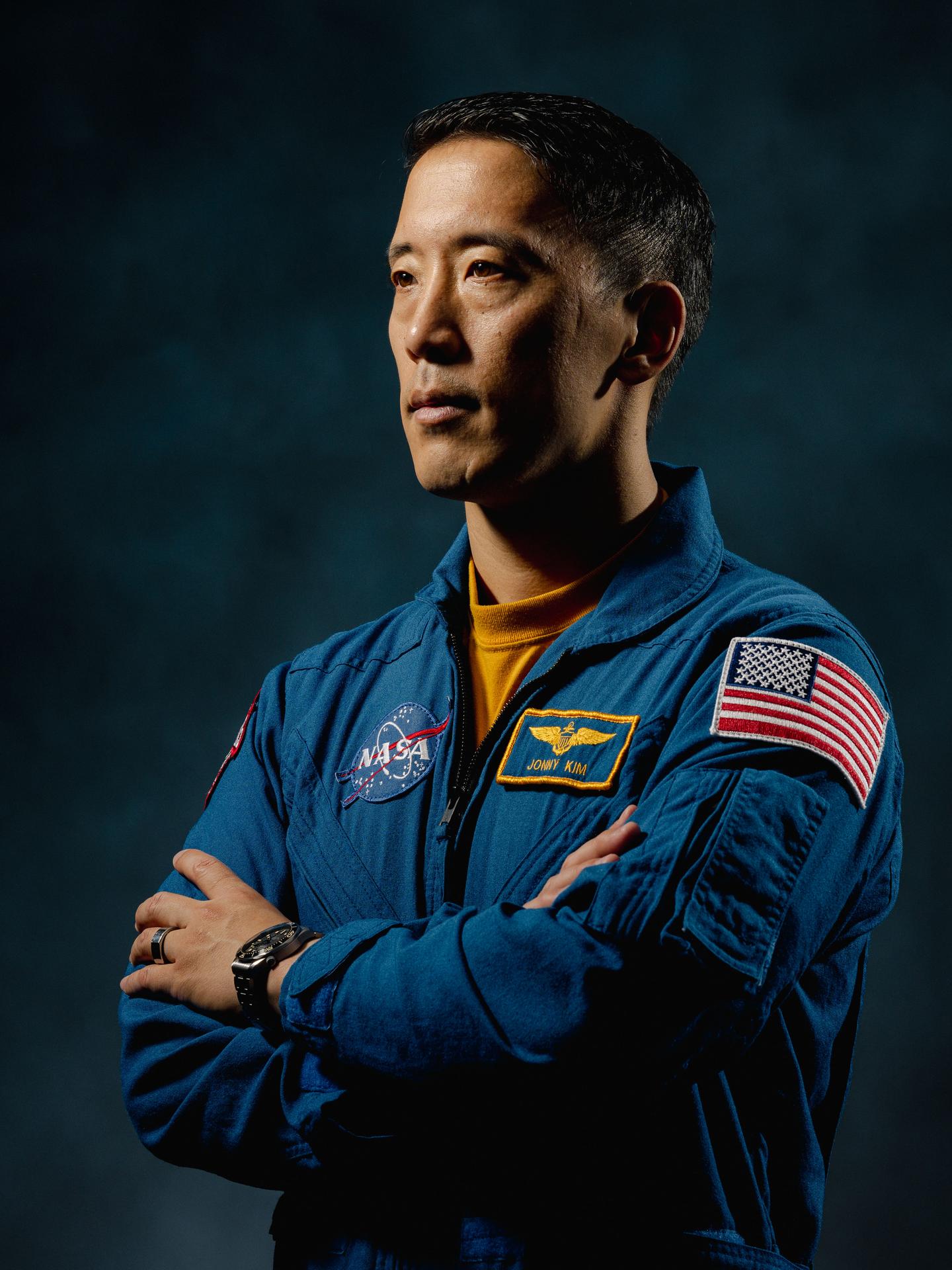
NASA astronaut Jonny Kim poses for a portrait at NASA’s Johnson Space Center in Houston, Texas.
NASA astronaut Jonny Kim poses for a portrait at NASA’s Johnson Space Center in Houston.
Credit: NASA/Josh Valcarcel

After nearly a decade of service to NASA, including an eight-month science expedition aboard the International Space Station, astronaut Jonny Kim’s last day at the agency is Thursday. He will continue serving as lieutenant commander in the U.S. Navy.

Kim launched to the space station in April 2025 aboard the Soyuz MS‑27 spacecraft to conduct scientific research as a flight engineer during Expeditions 72/73. During the mission, he orbited Earth 3,920 times, traveled nearly 104 million miles, and contributed to a broad range of scientific investigations spanning technology development, Earth science, biology, and human research critical for future exploration.

“Jonny Kim represents the very best of NASA, a person who continually pushed the boundaries of exploration while inspiring countless others,” said NASA Administrator Jared Isaacman. “His contributions aboard the International Space Station advanced critical science that will shape NASA’s future missions for decades to come. We are grateful for his dedication to our nation and to the pursuit of knowledge, and we wish him success as he continues his service in the U.S. Navy.”

Serving as the U.S. Operating Segment lead for the second half of Expedition 73, Kim oversaw operations across the station’s international modules. During the expedition, the station achieved a historic milestone when every available docking port was occupied for the first time in 25 years. He also commanded the Canadarm2 robotic arm during the first capture of Northrop Grumman’s new Cygnus XL spacecraft, securing 11,000 pounds of supplies for the station. Kim and his Roscosmos crewmates landed safely in Kazakhstan in December 2025.

“Jonny has been an integral part of the agency, and his immeasurable impact will be felt for generations to come,” said Vanessa Wyche, director of NASA’s Johnson Space Center in Houston. “From advancing groundbreaking science to inspiring the next generation, Jonny has been an incredible source of inspiration to our nation. His exceptional talent, determination, and grit will leave a lasting legacy at NASA.”

Kim was selected as a NASA astronaut in 2017 and completed two years of astronaut candidate training, which included instruction in space station systems, Russian language, robotics, T‑38 flight operations, geology, survival training, and spacewalk preparation.

He later supported station operations as a capsule communicator, or capcom, in NASA’s Mission Control Center at Johnson. Kim also contributed to Artemis program development through his work in the astronaut exploration branch, leading the astronaut crew operations branch, and serving as increment lead for Expedition 65. His experiences as a Navy SEAL, physician, and naval aviator provided unique perspectives in mission operations and crew support.

“Jonny approached every assignment with humility, precision, and steadfast commitment to the mission,” said Scott Tingle, chief of the Astronaut Office at NASA Johnson. “His combination of medical training, operational experience, and engineering insight strengthened our team and contributed to advancements in exploration and space station operations.”

Born in Los Angeles, Kim enlisted in the U.S. Navy after graduating high school in 2002. He trained as a hospital corpsman and completed Basic Underwater Demolition/SEAL training before joining SEAL Team Three. Over the course of more than 100 combat operations, he served as a medic, sniper, navigator, and point man, earning the Silver Star, Bronze Star with Combat “V,” and numerous additional commendations.

He earned a bachelor’s degree in mathematics from the University of San Diego and a doctor of medicine from Harvard Medical School. He completed his internship at Massachusetts General Hospital and Brigham and Women’s Hospital in Boston. Kim became a dual-designated naval aviator and flight surgeon, completing flight training at Naval Air Stations Corpus Christi in Texas and Whiting Field in Florida, and aerospace medical training at the Naval Aerospace Medical Institute at Naval Air Station Pensacola.

Kim is returning to active duty to finish out the remainder of his military career within naval aviation training.

“Contributing to space exploration and serving NASA has been the honor of a lifetime,” said Kim. “Throughout my career, I’ve learned that beyond the missions, the training, and the hardware, success always comes down to the people. They are our greatest asset, and leading with love and empathy is how we achieve the impossible. I look forward to carrying my commitment to service, my enduring love for space and technology, and the hard-earned lessons of this past decade into my next chapter to make a meaningful impact on humanity’s future.”

To learn more about NASA’s astronauts and human space exploration, visit:

https://www.nasa.gov/astronauts

-end-

Jimi Russell
Headquarters, Washington
202-358-1100
[email protected]

Anna Schneider
Johnson Space Center, Houston
281-483-5111
[email protected]

Details

Last Updated

Aug 27, 2026

Editor
Jessica Taveau

Source: www.nasa.gov

NASA Sets Spacewalk for Station Maintenance, Live Coverage Planned

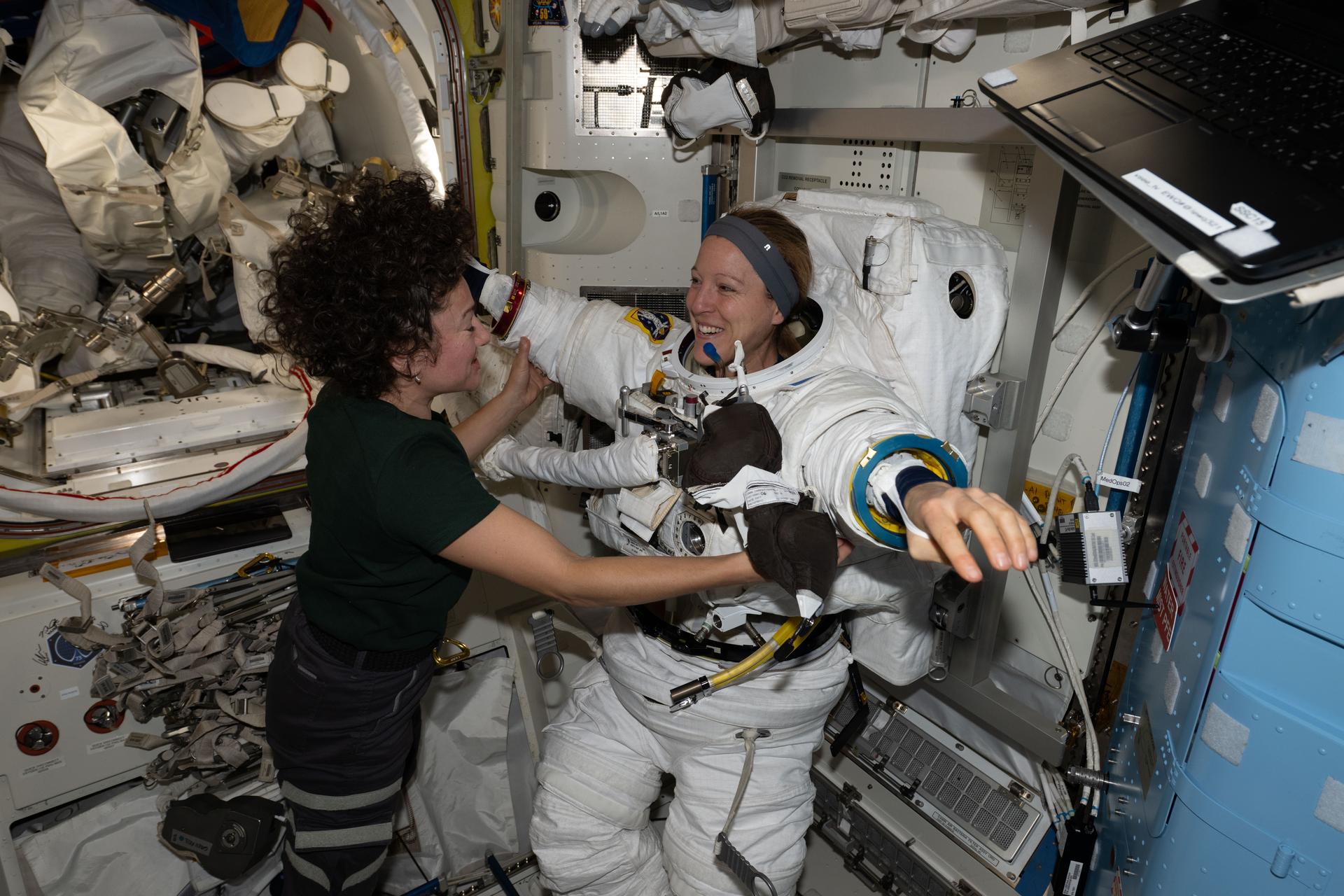
Expedition 74 flight engineers Sophie Adenot of ESA (European Space Agency) and Jessica Meir of NASA work together inside the International Space Station’s Quest airlock. Adenot is wearing a spacesuit in a powered and pressurized configuration to test its mobility, comfort, and optimal fit. Meir also assisted Adenot in conducting suit leak and pressure checks while verifying the suit’s communications hardware and life‑support systems.
NASA astronaut Jessica Meir and ESA (European Space Agency) astronaut Sophie Adenot work together inside the International Space Station’s Quest airlock during spacesuit fit and leak checks.
Credit: NASA

NASA will provide coverage as two astronauts step outside the International Space Station on Tuesday, Sept. 1, to replace a spacecraft navigational aid and complete several maintenance tasks in support of space station operations.

Watch live coverage beginning at 7 a.m. EDT. The spacewalk is expected to start at approximately 8:30 a.m. and last about six and a half hours. NASA’s spacewalk coverage will stream through a variety of platforms. Learn where to watch online:

https://nasa.gov/live

During U.S. spacewalk 99, NASA astronaut Jessica Meir and ESA (European Space Agency) astronaut Sophie Adenot will replace a retroreflector on the forward port of the space station’s Harmony module to support spacecraft navigation during rendezvous and docking operations. After installing the reflector, the crew will work to install jumper cables for the data-relay systems, prepare the Alpha Magnetic Spectrometer’s radiator for future maintenance, and replace a high-definition camera on the station’s truss.

Adenot will serve as spacewalk crew member 1 and will wear a suit with red stripes. Meir will serve as crew member 2 and will wear an unmarked suit.

This will be Meir’s seventh spacewalk and Adenot’s third. Meir will move into third all-time for total spacewalks among women at NASA, trailing Peggy Whitson (10) and Suni Williams (9). The excursion also marks the 284th spacewalk supporting space station assembly, maintenance, and upgrades.

To learn more about International Space Station research, operations, and its crews, visit:

https://www.nasa.gov/station

-end-

Jimi Russell
Headquarters, Washington
202-358-1100
[email protected]

Sandra Jones / Anna Schneider
Johnson Space Center, Houston 
281-483-5111
[email protected] / [email protected] 

Details

Last Updated

Aug 26, 2026

Editor
Jennifer M. Dooren

Source: www.nasa.gov

Astronauts Anil Menon and Sophie Adenot on Spacewalk

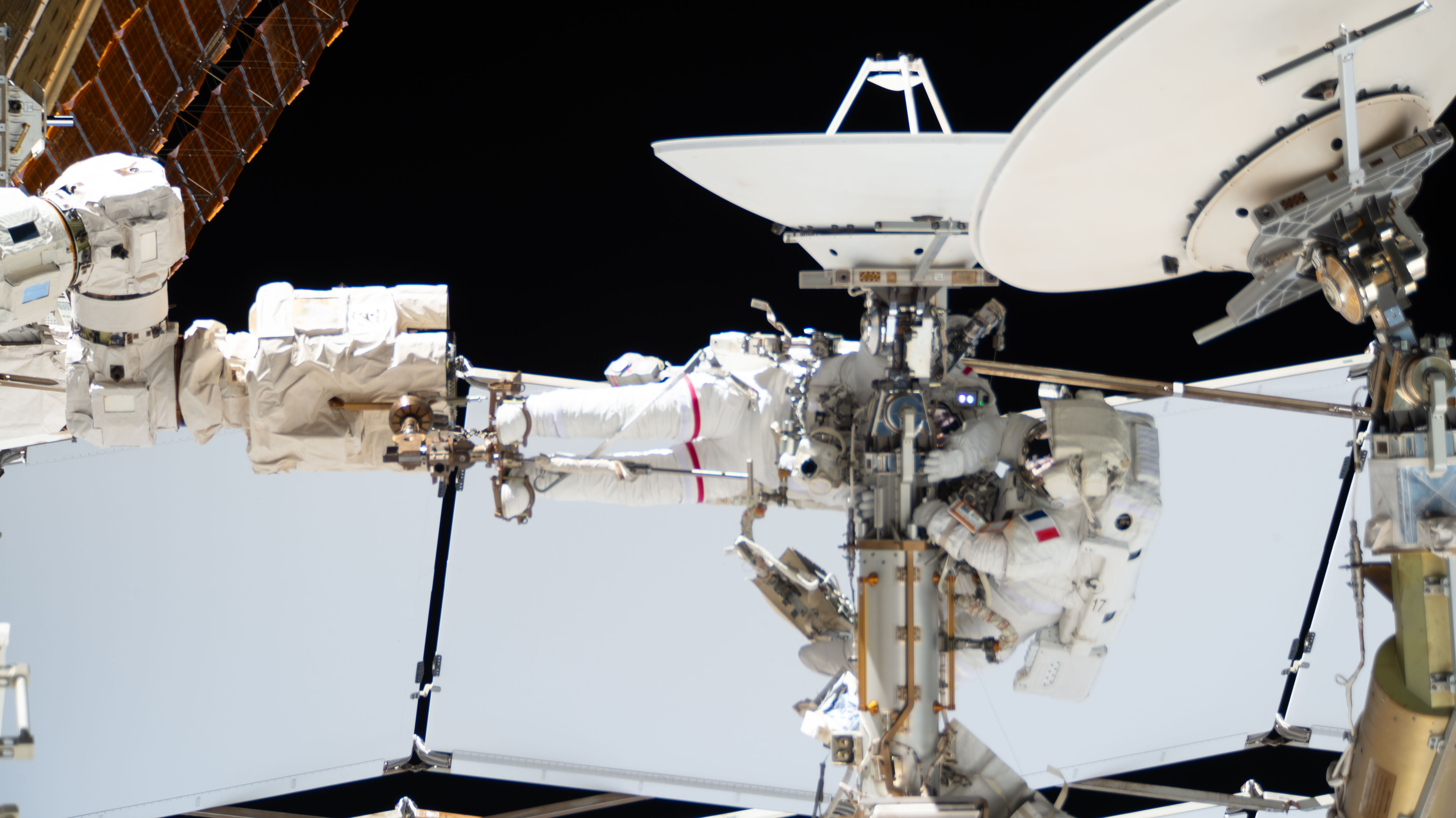
From left, Expedition 75 flight engineers Anil Menon of NASA (partially obscured and wearing the spacesuit with a red stripe on the legs) and Sophie Adenot of ESA (European Space Agency) work outside the International Space Station.
NASA

From left, Expedition 75 flight engineers Anil Menon of NASA (partially obscured and wearing the spacesuit with a red stripe on the legs) and Sophie Adenot of ESA (European Space Agency) work together during a six‑hour and 23‑minute spacewalk outside the International Space Station on Aug. 18, 2026. The pair will finish installing a high-speed communications antenna on Aug. 25, 2026.

Watch the spacewalk live.

Image credit: NASA

Source: www.nasa.gov

Human-Related Microbes May Survive Moon’s South Pole, NASA Finds

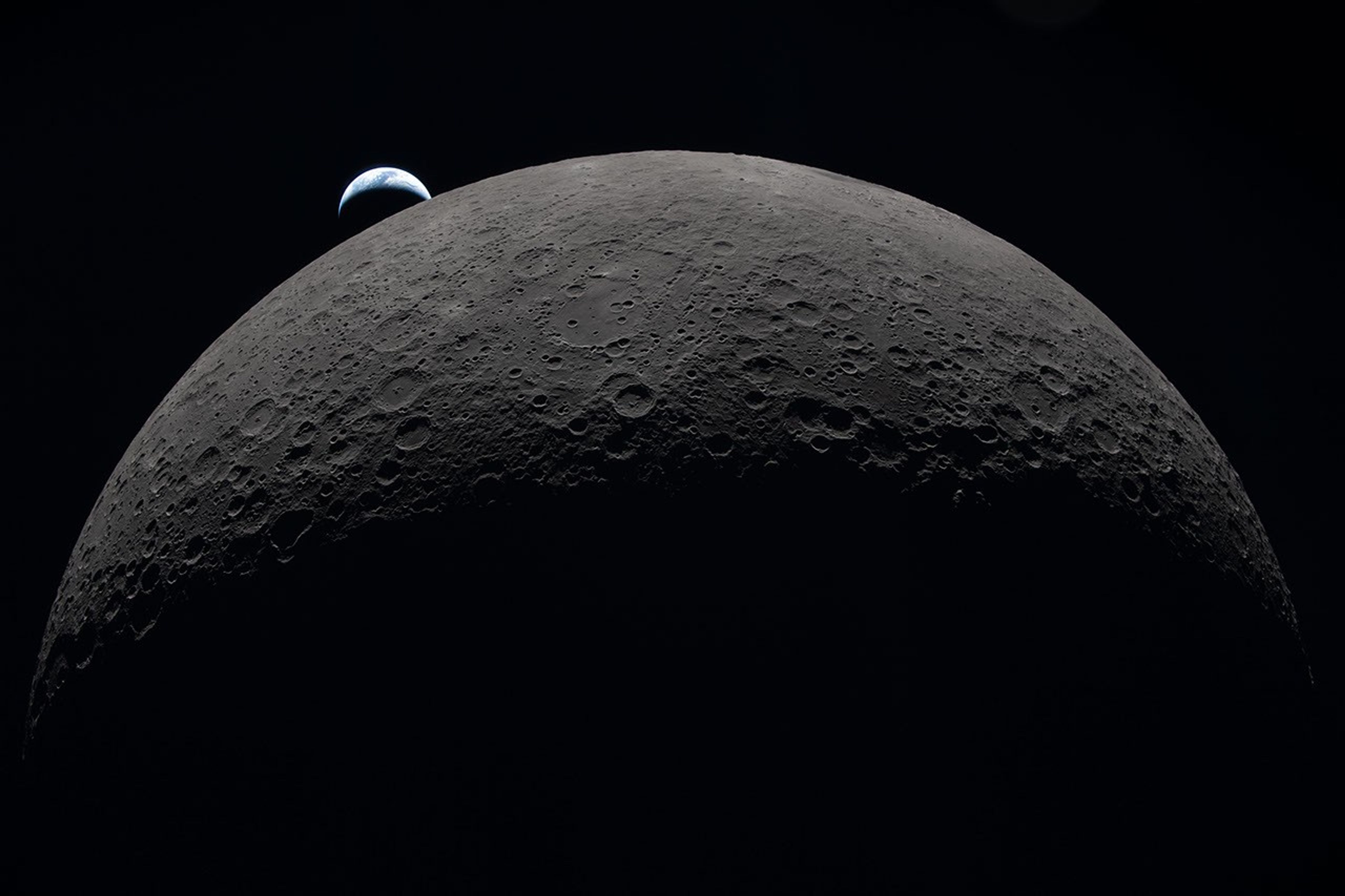
The gray-brown, heavily cratered Moon dominates the frame against black space, with a partially lit crescent Earth setting behind its upper-left edge.
This image was taken by an Artemis II astronaut from the Orion capsule in April 2026, as the spacecraft traveled past the Moon and back over 10 days. The gray-brown, heavily cratered Moon dominates the frame against black space, with a partially lit crescent Earth setting behind its upper-left edge.
NASA

Lee esta historia en español aquí.

Some of Earth’s microbes likely to hitch a ride to space with human explorers could survive in the shaded nooks and crannies of the Moon’s South Pole region, NASA scientists say. 

Published on Aug. 19, 2026, in Science Advances, these findings highlight a need to better understand microbial persistence in extreme lunar environments. As humans build a permanent presence on the Moon, it may become difficult to distinguish ancient lunar chemistry from contamination delivered by visiting astronauts. The concern extends beyond the Moon and on to Mars, scientists say. 

“Humans are natural explorers, and with them come their voices, their memories … and their microbes,” said Prabal Saxena, a planetary scientist who led the study from NASA’s Goddard Space Flight Center in Greenbelt, Maryland. “For some scientists, myself included, that reality can be unsettling. But it also creates an opportunity to turn an imperfect situation into a useful experiment.”

Bringing microbes along is unavoidable: Humans have, on average, 1 million bacteria living on each patch of skin the size of a pencil eraser, for example. These bacteria vent from spacesuits and habitats. Though the paper’s authors worry about contamination interfering with the search for chemical clues to ancient geology or biology, they also argue that the Moon should be used as a natural lab. In shaded areas around the South Pole, scientists could carefully test the real-life limits of microbial survival in an environment that can’t easily be reproduced on Earth. 

The Apollo program landed six pairs of astronauts on the Moon between 1969 and 1972. All six landing sites are near the lunar equator. In this visualization, the Apollo sites are contrasted with the South Pole, an area with enormous potential for future exploration. Time passes as we zoom toward Shackleton crater at the South Pole, revealing illumination conditions quite different from those near the equator. While many craters remain in permanent shadow, some nearby mountains and ridges are in persistent sunshine, making them attractive candidates for solar power and long-term habitation.
NASA’s Scientific Visualization Studio/Ernie Wright

Before any surface science can happen, scientists need a baseline measurement of what contaminants humans bring, the authors say.

“We need to understand what was there before us, because when we go to Mars to search for signs of life beyond our planet, we will want to make sure it’s not stuff we brought,” said Andrew Needham, a NASA Goddard-based paper co-author who is an Artemis contamination‑control scientist for lunar samples.

Even with strict sterilization procedures, some organisms are stubbornly resilient. A good example is Aspergillus niger, which is a fungus that thrives in warm, damp places like household bathrooms and heating, ventilation, and air conditioning systems. Astronauts have sampled it inside the International Space Station, and experiments demonstrate that the fungus can survive outside the station as well. Aspergillus niger was one of five microbes, including bacteria and fungi, selected for this study because of its known toughness in spaceflight environments. 

That microbes survived on the space station’s exterior surprised scientists. These species are typically not considered “extremophiles” that can withstand harsh conditions, such as the vacuum of space, according to Aaron Regberg, a geomicrobiologist at NASA’s Johnson Space Center in Houston.

“I would have expected these microbes to have dried out,” said Regberg, who studies space station bacteria and was a co-author on the paper.

Astronaut conducts scientific work aboard the International Space Station, floating in microgravity surrounded by equipment and research tools.
NASA astronaut Kate Rubins on Oct. 14, 2016, collecting microbes in the Japanese Experiment Module aboard the International Space Station.
JAXA/Takuya Onishi

He pointed out that NASA often bakes robotic spacecraft at temperatures above 400 degrees Fahrenheit to reduce the number of living organisms on them. But that’s not possible with astronauts, so contamination concerns take on new meaning in crewed exploration of the Moon’s south polar environment.

A clearer picture of where microbes might survive comes from understanding how sunlight behaves at the poles. Survival in this study means the microbe can stay alive for at least one Earth day, which does not mean that it can grow and reproduce.

Because the Moon has a very small tilt on its axis, the view from its poles is of a Sun that appears to hover just above the horizon, skimming the surface like a flashlight laying on a table. As a result, elevated parts of the surface, including crater ridges, mountains, and even small bumps, block light from reaching low-lying terrain. This produces pockets of shadowed areas that can remain cold and preserve water, as well as shield fragile molecules and possible microorganisms from lethal radiation.

With that scientific context in mind, the team set out to test which Earth microbes could survive extreme polar conditions. They focused on organisms commonly found in spaceflight environments and those common on human skin. Besides Aspergillus niger, these included Bacillus subtilis, Staphylococcus aureus, Deinococcus radiodurans, and several species of Fusarium. Based on an analysis of previous studies, the scientists noted the maximum amount of heat and ultraviolet (UV) radiation each organism can withstand.

Then, the organisms were tested in simulations of three regions near the lunar South Pole — Nobile Rim, Connecting Ridge, and De Gerlache Rim. Those simulations used detailed environmental maps built from elevation and temperature data collected by instruments aboard NASA’s Lunar Reconnaissance Orbiter, combined with models of how radiation strikes the surface.

The models showed maps of “survivable niches” that range in size from a miles-wide crater floor to an astronaut’s boot print. Aspergillus niger, which was most resistant to UV radiation, was able to survive even in areas with some sunlight exposure. UV radiation is so deadly to most microbes that it’s used for sterilization in hospitals. 

“When we think of the Moon, we don’t typically think of biology,” said Heather Graham, a paper co-author at NASA Goddard who helps develop tools and techniques for detecting biology that may look nothing like Earth’s. “But the Moon is a place where a cell can survive, so our first exploration of these sites should pay extra attention to our microbial hitchhikers and work hard to characterize lunar chemistry before our visits change what we will find.”

The authors note that while some microbes can survive in a dormant state in regions around the South Pole, and thereby confuse some future scientific investigations, there is no evidence the Moon has key ingredients to sustain growth and replication. Such ingredients include liquid water, which typically requires an atmosphere and moderate temperatures.  

For more information, visit:

https://science.nasa.gov/astrobiology

About the Author

Lonnie Shekhtman

Lonnie Shekhtman

Senior Science Writer

Shekhtman helps communicate NASA planetary science to the world through news and feature stories on NASA.gov, videos for NASA+ and YouTube, and by working with the media. She reports on lunar and Mars science and exploration; NASA’s search for life; missions to Venus, Titan, and Jupiter’s Trojan asteroids; and many other topics related to NASA’s exploration of our solar system and beyond.

Source: science.nasa.gov