APOD: 2026 September 28 – Cosmic Latte: The Average Color of the Universe

APOD

Astronomy Picture of the Day

Discover the cosmos! Each day a different image or photograph of our fascinating universe is featured, along with a brief explanation written by a professional astronomer.

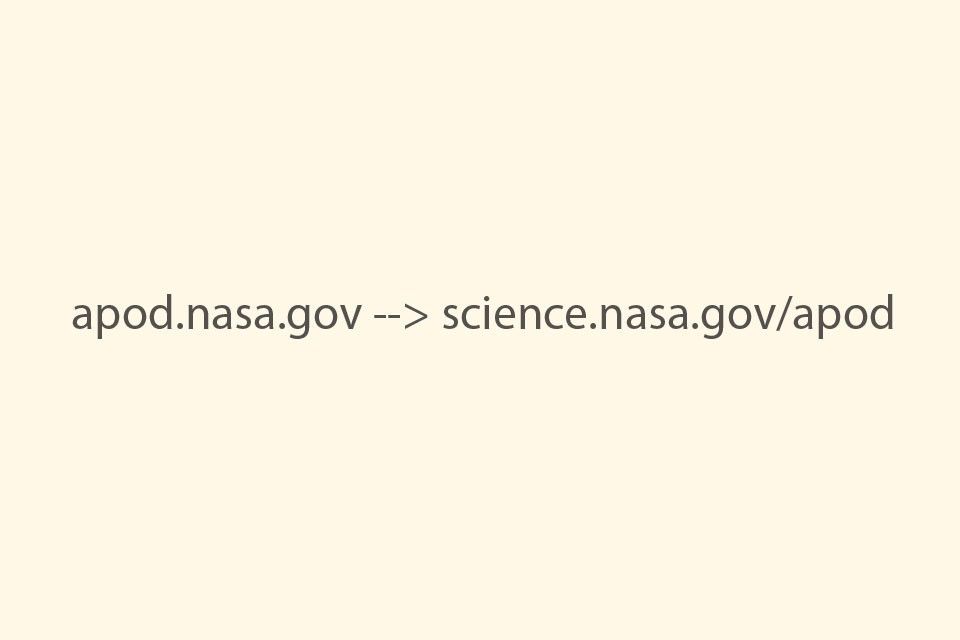
A single color covers the image: that similar to a latte cup of coffee. It is noted in text that apod.nasa.gov is moving to science.nasa.gov/apod.A single color covers the image: that similar to a latte cup of coffee.

Cosmic Latte: The Average Color of the Universe

Explanation: What color is the universe? More precisely, if the entire sky were smeared out, what color would the final mix be? This whimsical question came up when trying to determine what stars are commonplace in nearby galaxies. The answer, depicted here, is a conditionally perceived shade of beige. In computer parlance: #FFF8E7. To determine this, astronomers computationally averaged the light emitted by one of the larger samples of galaxies analyzed: the 200,000 galaxies of the 2dF Galaxy Redshift Survey. The resulting cosmic spectrum has some emission in all parts of the electromagnetic spectrum, but a single perceived composite color. This color has become much less blue over the past 10 billion years, indicating that redder stars are becoming more prevalent. In a contest to better name the color, notable entries included skyvory, univeige, and the winner: cosmic latte.

APOD’s email for image submissions has changed. Please see: APOD Submissions
Tomorrow: APOD’s main NASA site is moving: From apod.nasa.gov to science.nasa.gov/apod
Tomorrow’s picture: sky swirl

Date: September 28, 2026
Color Credit: Karl Glazebrook & Ivan Baldry (JHU)
Authors & editors: Robert Nemiroff, Jerry Bonnell, Cecilia Chirenti, Keighley Rockcliffe
A service of: ASD at NASA / GSFC,
NASA Science Activation & Michigan Tech. U.

Source: science.nasa.gov
Contractor to Civil Servant: NASA Welcomes Kristie Foster

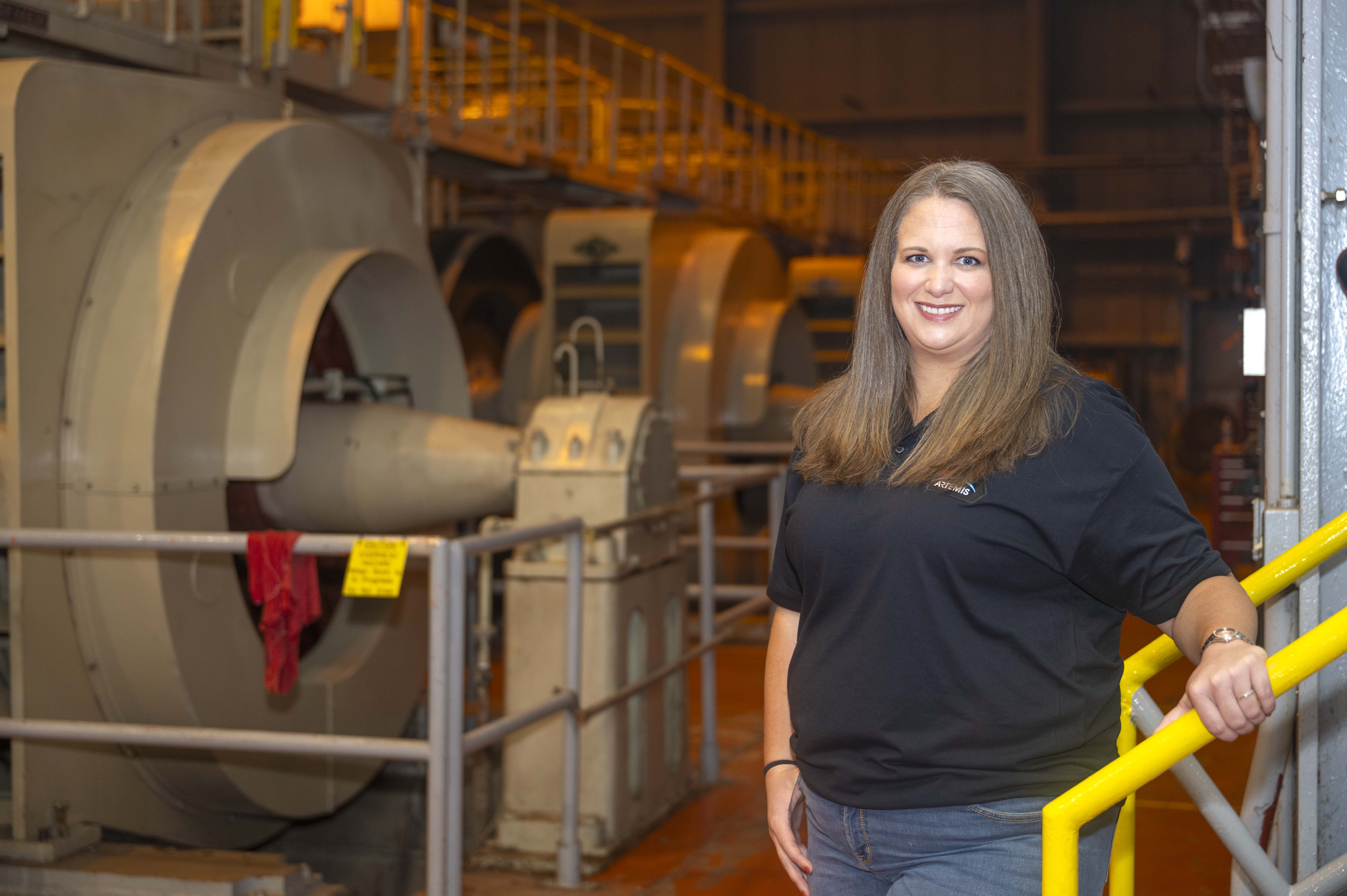
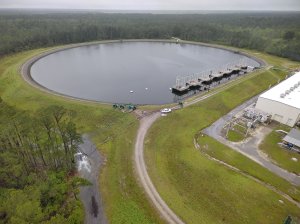
Kristie Foster, a quality engineer at NASA’s Stennis Space Center, stands inside the High Pressure Industrial Water Facility in Bay St. Louis, Mississippi, during a photo session on September 10, 2026.
Kristie Foster, quality engineer at NASA’s Stennis Space Center near Bay St. Louis, Mississippi, poses for a photograph inside the High Pressure Industrial Water Facility on Sept. 10, 2026. Foster is now a NASA civil servant at Stennis as part of the administrator’s directive to strengthen technical core competencies within the civil service workforce.
NASA/Danny Nowlin

Kristie Foster paved her road to becoming a NASA civil servant with literal miles of dedication. Her work at the agency’s Stennis Space Center near Bay St. Louis, Mississippi, supports NASA’s mission to return American astronauts to the Moon, build a Moon Base for an enduring presence on the lunar surface, and ensure American leadership in space.

Foster’s move from a long-time contractor to a civil servant secures critical institutional knowledge after being hired in June under the agency’s workforce directive to restore core competencies.

“It means a lot, especially carrying the family legacy forward after my father retired from NASA last year after working about 20 years at Stennis,” said Foster. “It meant something to finally see that dream come true in full circle.”

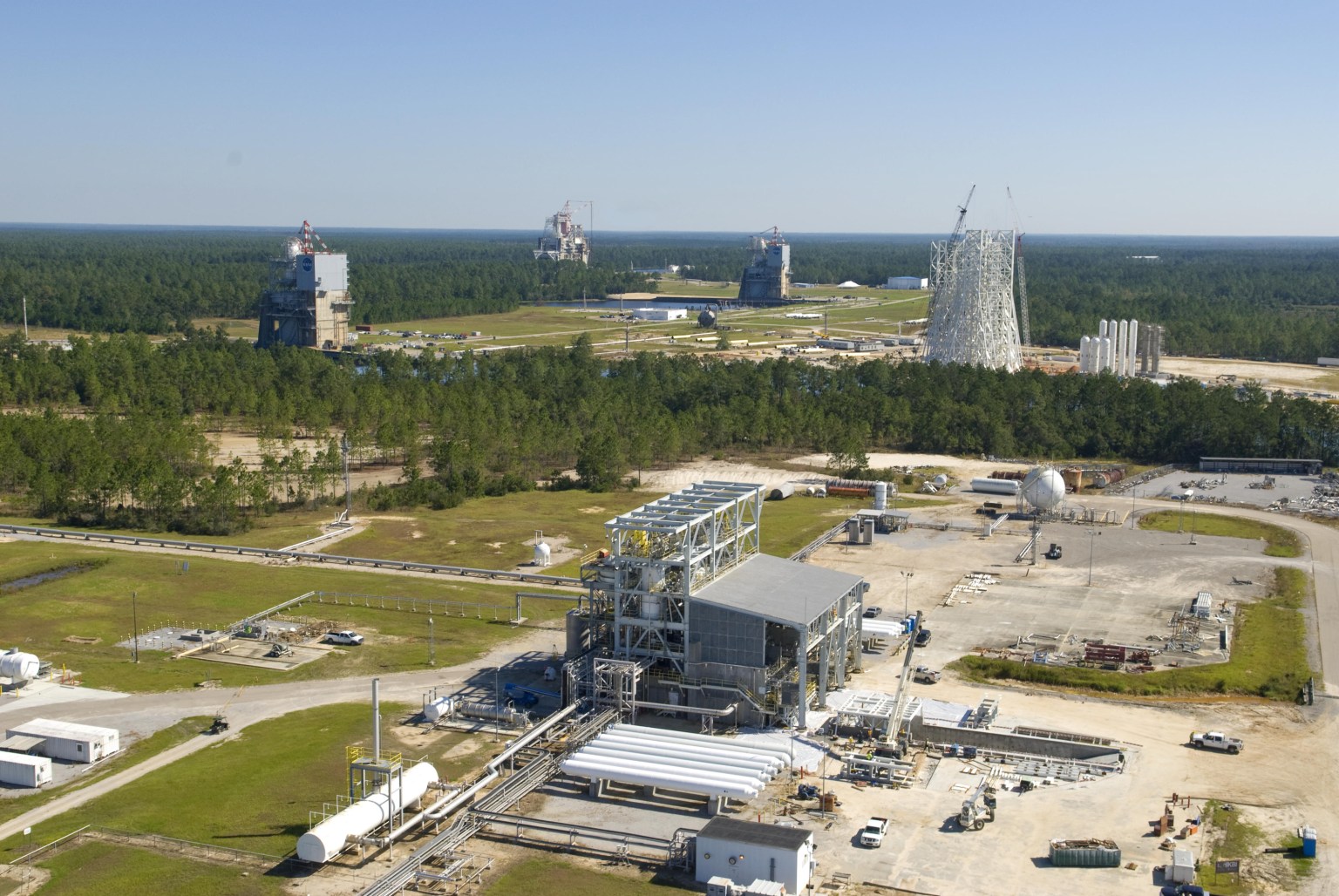
As a quality engineer, Foster manages quality assurance and engineering at America’s largest rocket propulsion test site with much of her focus at the High Pressure Gas Facility and High Pressure Industrial Water Facility.

Known as the heart of Stennis, the gas facility is where gaseous nitrogen, helium, hydrogen, and air are created, stored, and distributed through a 7-mile pipeline across the center for propulsion testing. The water facility utilizes a 66-million-gallon reservoir to pump massive volumes of water to the test stands for cooling and sound suppression.

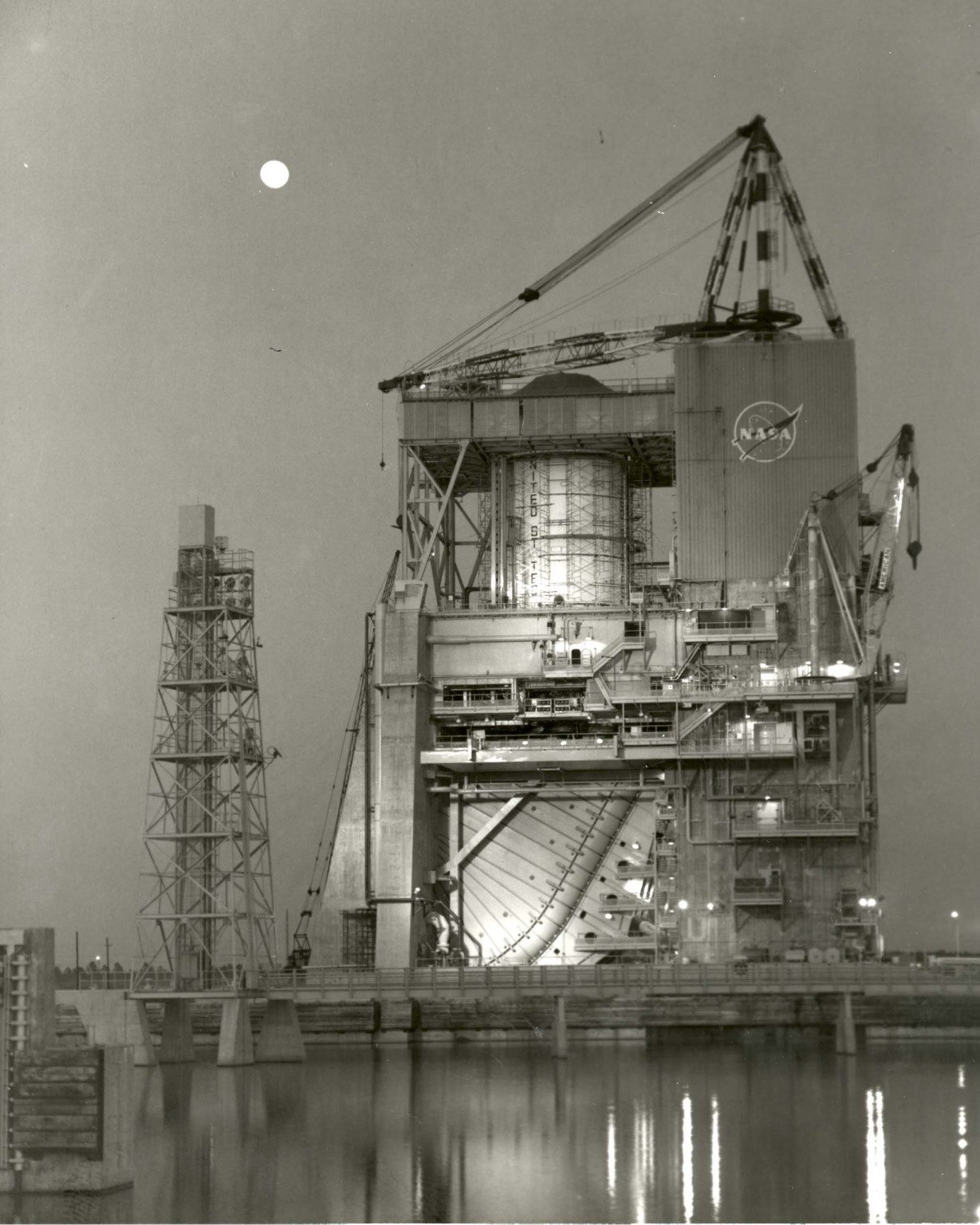
She also has taken on a safety role of supporting the build up at the Thad Cochran Test Stand (B-2), where Blue Origin will conduct second stage hot fire testing of the company’s New Glenn rocket.

Her technical work involves reviewing test preparation sheets, verifying operational plans in the field, and ensuring processes are executed from the initial design phase through final closeout.

“If you put safety and quality up front and incorporate it throughout the entire process, you are going to end up with a better product at the end,” said Foster. “Because NASA pushes safety and actively performs it, we are able to work at a fast pace with safety at the forefront.”

Foster applies an adaptable, mission-first mindset to her work that is advancing Artemis missions. Following the successful Artemis II mission last April, Artemis III is intended to demonstrate integrated operations between the Orion spacecraft and test versions of commercial human landing systems before Artemis IV returns astronauts to the lunar surface.

“I feel like the space race is back to that original excitement all over again,” said Foster. “Artemis I and II were huge, successful missions. That was amazing to be a part of, and it is something to look forward to with Artemis III and IV. I want to see humans back on the Moon. It is exciting.”

While her focus is now on returning humans to the Moon, Foster’s own journey to NASA started close to home. She completed two years at Pearl River Community College, along with summer night classes at Mississippi Gulf Coast Community College.

Her first time working at Stennis came with the largest tenant of the NASA Stennis Federal City: The United States Navy, and an internship with the Naval Oceanographic Office.

While finishing her bachelor’s degree in construction management and land development at Mississippi State University, Foster landed a four-week holiday internship on a Stennis construction project. This evolved into a senior-year schedule of working three days a week at Stennis, then driving hours back to campus to attend classes the other four days.

The hard work paid off with a full-time job. Foster worked as a contractor supporting NASA’s work from 2008 until her recent hire with the agency.

A resident of Poplarville, Mississippi, Foster balances her career with life on a farm. Her 12-year-old son, an avid space enthusiast, now shares similar aerospace conversations with his mother that she once had with her father.

As Foster ensures the safety and quality of NASA’s propulsion testing at Stennis, she is leading by example for her son and the Artemis Generation.

“I have always lived by the saying: ‘Shoot for the Moon, because even if you miss, you land among the stars.’ That is how I have approached my career,” said Foster. “It takes persistence and enjoying what you do. One neat thing about working with NASA at Stennis, especially in the test complex, is that I have never done the same thing twice. It is always an evolving situation.”

Details

Last Updated

Sep 28, 2026

Editor
Bo Black
Location
Stennis Space Center

Related Terms

Source: www.nasa.gov
NASA ORBIT Challenge 2027

1 min read

Preparations for Next Moonwalk Simulations Underway (and Underwater)

NASA ORBIT graphic design imagery. The words "NASA ORBIT" are displayed encircled by an oval graphic design with a star at the bottom of the oval.

The NASA ORBIT (Opportunities in Research, Business, Innovation, and Technology for the Workforce) Challenge invites university and community college students nationwide to work with real NASA intellectual property and mission challenges.

Choose your path: develop commercial applications of NASA patents that solve problems here on Earth (ORBIT Earth), or design next-generation technologies for space exploration (ORBIT Space). The most ambitious teams can pursue both through the optional Integration Bonus.

Award: Up to $500,000 in prizes, receive mentorship from NASA experts, and present your work at an in-person showcase. Finalists gain access to an exclusive accelerator program designed to launch careers in STEM and entrepreneurship.

Challenge Open Date: September 14, 2026

Registration Close Date: November 16, 2026

For more information, visit: https://nasaorbit.org/

Source: www.nasa.gov
What You Need to Know About NASA’s SpaceX Crew-13 Mission

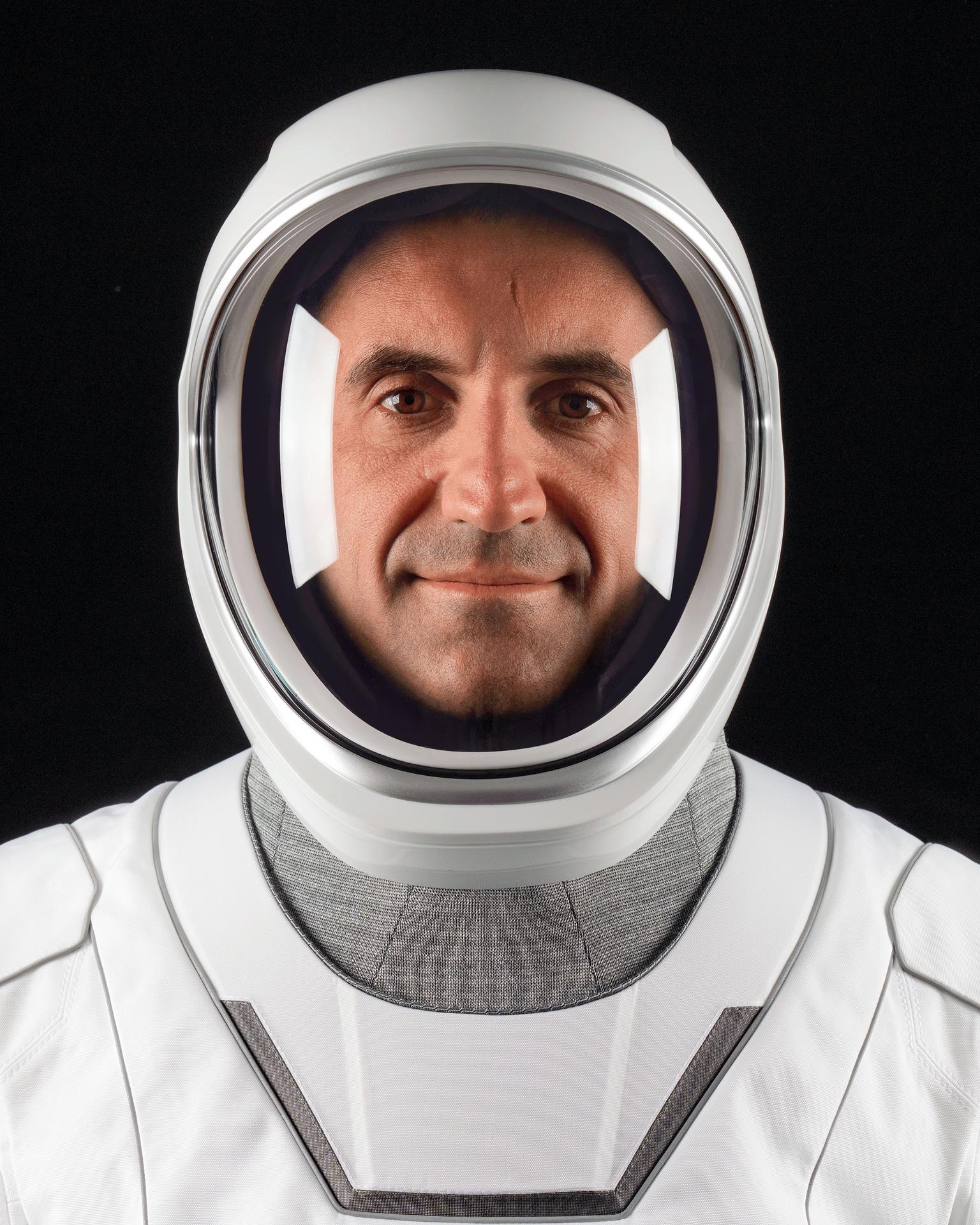
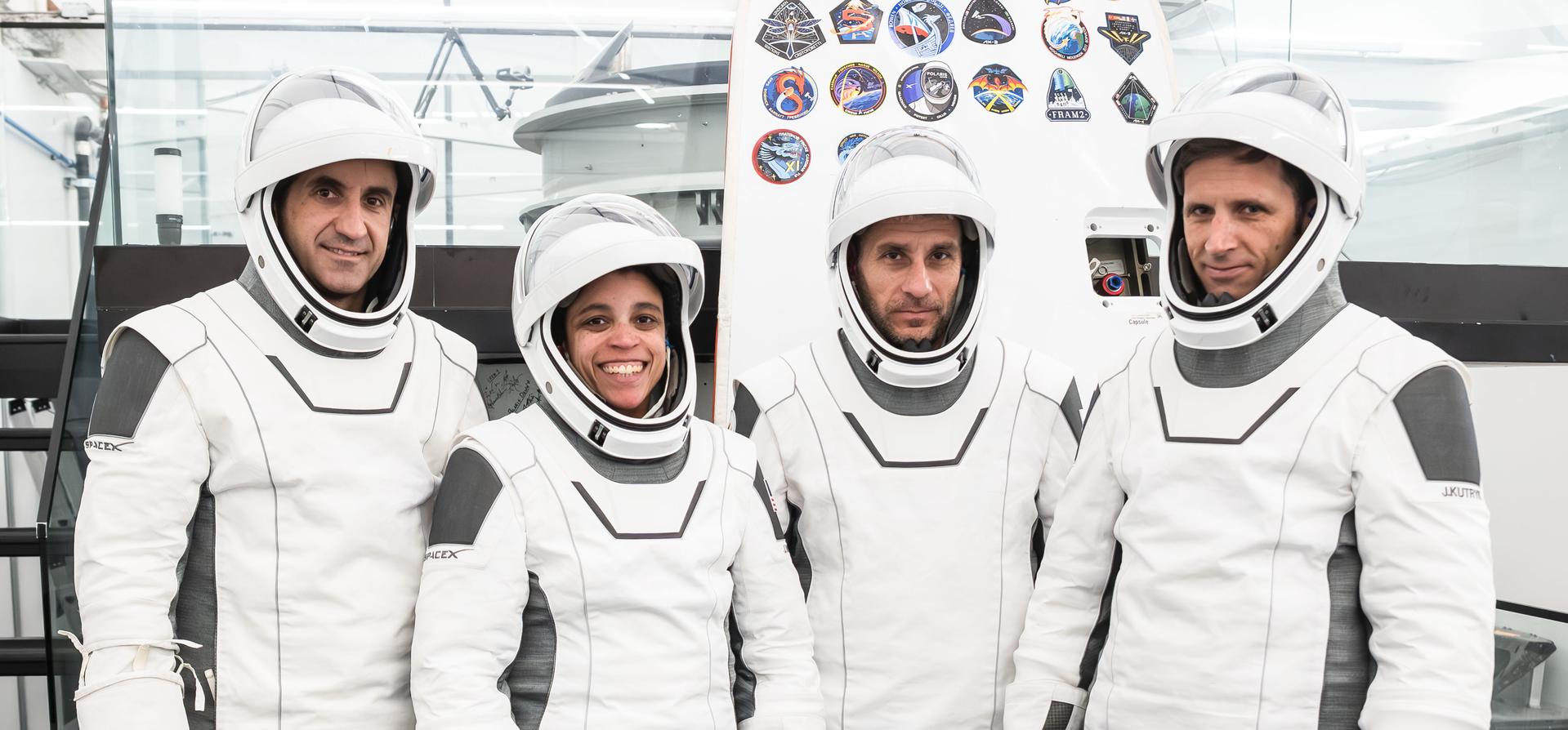
The SpaceX Crew-13 members pose for a portrait in their pressure suits during a preflight training session at the company's headquarters in Hawthorne, California. From left are, Roscosmos cosmonaut Sergey Teteryatnikov, NASA astronauts Jessica Watkins and Luke Delaney, and CSA (Canadian Space Agency) astronaut Joshua Kutryk.
The SpaceX Crew-13 members pose for a portrait in their pressure suits during a preflight training session at the company’s headquarters in Hawthorne, California. From left are, Roscosmos cosmonaut Sergey Teteryatnikov, NASA astronauts Jessica Watkins and Luke Delaney, and CSA (Canadian Space Agency) astronaut Joshua Kutryk.
SpaceX

Four crew members are set to launch to the International Space Station as part of NASA’s SpaceX Crew-13 mission to perform research, technology demonstrations, and maintenance aboard the orbiting laboratory.

NASA astronauts Jessica Watkins and Luke Delaney will support the mission as spacecraft commander and pilot, respectively, joined by CSA (Canadian Space Agency) astronaut Joshua Kutryk and Roscosmos cosmonaut Sergey Teteryatnikov as mission specialists. Crew-13 will lift off no earlier than 11:10 a.m. EDT, Thursday, Oct. 1, from Space Launch Complex 40 at Cape Canaveral Space Force Station in Florida and join the space station’s Expedition 75 crew. Throughout its long‑duration mission, the crew will conduct science experiments to advance research and technology for future Moon and Mars missions and improve life on Earth.

“During the mission, the crew will help researchers treat heart disease and Parkinson’s disease by studying human stem-cell derived tissues that can help improve medicine, disease modeling, and pharmaceutical testing,” said Dana Weigel, manager of NASA’s Low Earth Orbit Program at the agency’s Johnson Space Center in Houston. “They also will explore crop production, which is important for longer-duration spaceflight missions,  help us better understand blood flow abnormalities that we see in space, and test new diagnostic medical equipment for monitoring crew health.”

The flight is the 13th crew rotation mission with SpaceX to the space station as part of NASA’s Commercial Crew Office.

Support teams continue to progress through Dragon preflight milestones for Crew-13 and are preparing a SpaceX Falcon 9 rocket booster for its third flight. Up in orbit, NASA’s SpaceX Crew-12 is preparing to return to Earth after a brief handover once Crew-13 arrives.

After all rocket and spacecraft system checkouts are complete and all components are certified, teams will mate Dragon to Falcon 9 in SpaceX’s hangar at the launch site. The integrated spacecraft and rocket will then roll to the pad, where it will be raised vertically for a dry dress rehearsal with the crew and an integrated static fire test before launch.

The quartet will fly aboard a SpaceX Dragon spacecraft named Grace. This spacecraft previously flew in summer 2025 in support of private astronaut mission Axiom Mission 4.

Meet Crew-13

Commander Jessica Watkins

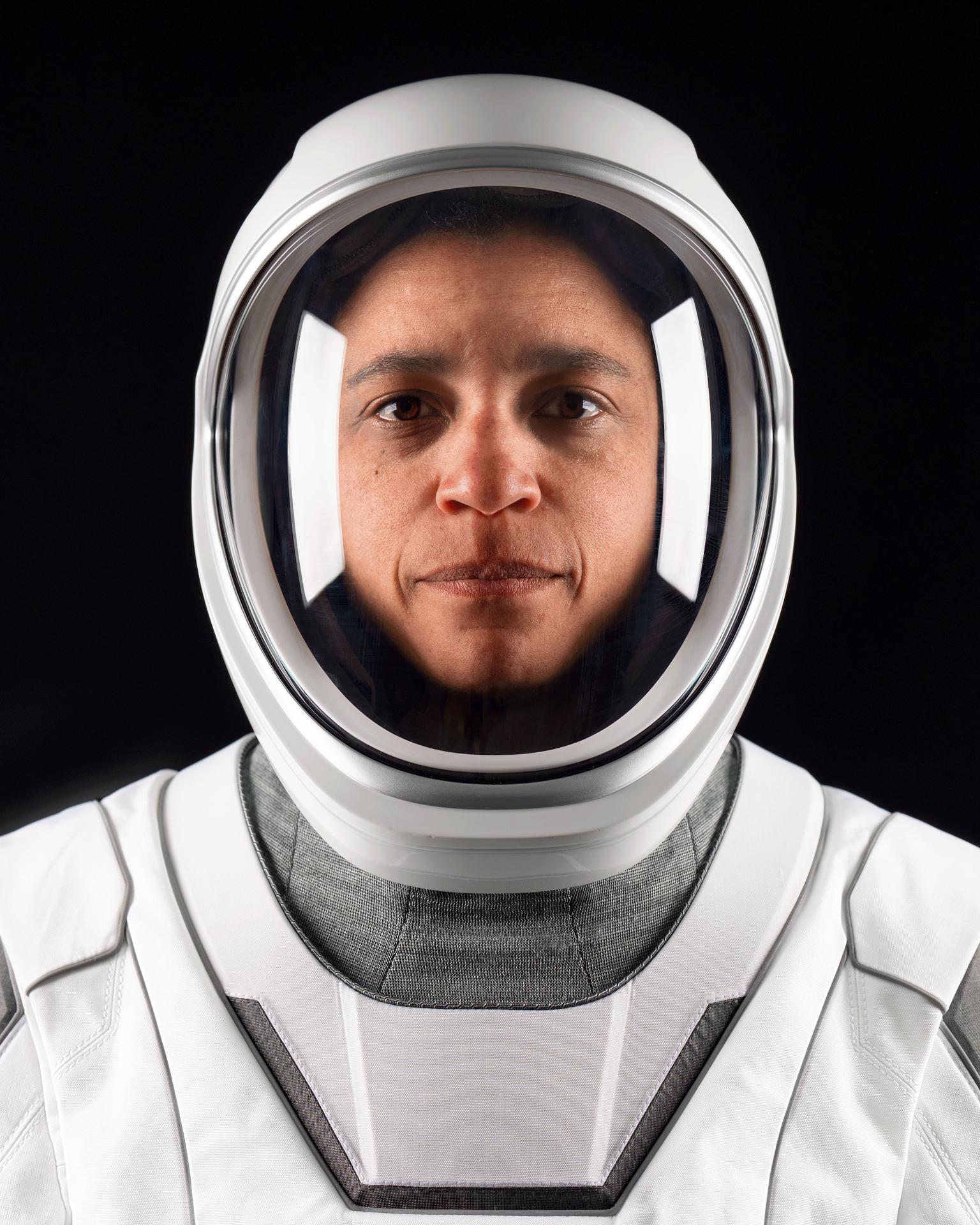
NASA astronaut Jessica Watkins, commander of NASA’s SpaceX Crew-13 mission to the International Space Station, poses for a portrait in her pressure suit at SpaceX headquarters in Hawthorne, California.
SpaceX

This will be the second flight to the space station for Watkins, who was selected as a NASA astronaut in 2017. She grew up in Lafayette, Colorado, and earned an undergraduate degree in geological and environmental sciences from Stanford University, as well as a doctorate in geology from the University of California, Los Angeles. As a geologist, Watkins studied the Martian surface and was a member of the Curiosity rover science team at NASA’s Jet Propulsion Laboratory in Southern California. She first launched to the space station aboard NASA’s SpaceX Crew-4 mission, spending a total of 170 days in space across Expeditions 67/68 in 2022. She will be the first NASA astronaut to launch twice aboard a SpaceX Dragon spacecraft. Follow Jessica on X and Instagram.

Pilot Luke Delaney

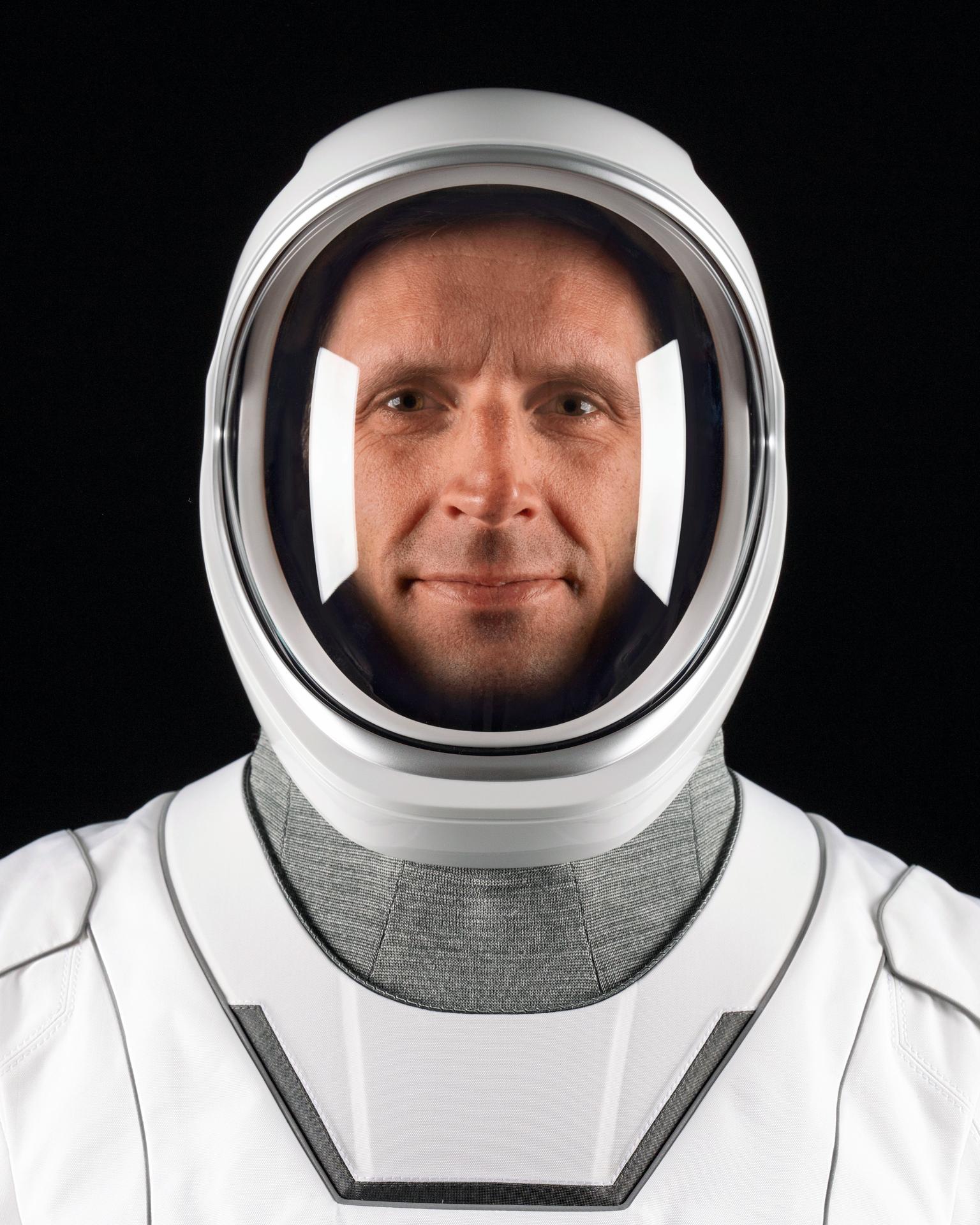
NASA astronaut Luke Delaney, pilot of NASA’s SpaceX Crew-13 mission to the International Space Station, poses for a portrait in his pressure suit at SpaceX headquarters in Hawthorne, California.
SpaceX

Selected as a NASA astronaut in 2021, Delaney earned a bachelor’s degree in mechanical engineering at the University of North Florida and a master’s degree in aerospace engineering at the Naval Postgraduate School. The Florida native is a distinguished naval aviator who participated in exercises throughout the Asia-Pacific region and flew missions in support of Operation Enduring Freedom. As a test pilot, Delaney evaluated developmental aircraft systems and served as a test pilot instructor. He also worked as a research pilot at NASA’s Langley Research Center in Hampton, Virginia, where he supported airborne science missions. This is Delaney’s first spaceflight.

Mission Specialist Joshua Kutryk

CSA (Canadian Space Agency) astronaut Joshua Kutryk, mission specialist of NASA’s SpaceX Crew-13 mission to the International Space Station, poses for a portrait in his pressure suit at SpaceX headquarters in Hawthorne, California.
SpaceX

The Crew-13 mission also is the first spaceflight for Kutryk. Prior to his selection as a CSA astronaut in 2017, he served as a CF-18 fighter pilot, flying missions in support of Canada’s NATO, U.N., and North American Aerospace Defense Command commitments. A native of Fort Saskatchewan, Alberta, Kutryk worked as an experimental and operational test pilot at the Aerospace Engineering Test Establishment in Cold Lake, Alberta. Kutryk received a bachelor’s degree in mechanical engineering from the Royal Military College of Canada in Kingston, Ontario, and is a distinguished graduate of the United States Air Force Test Pilot school in Edwards, California. He has master’s degrees in space studies, flight test engineering, and defense studies. Follow Josh on X and Instagram.

Mission Specialist Sergey Teteryatnikov

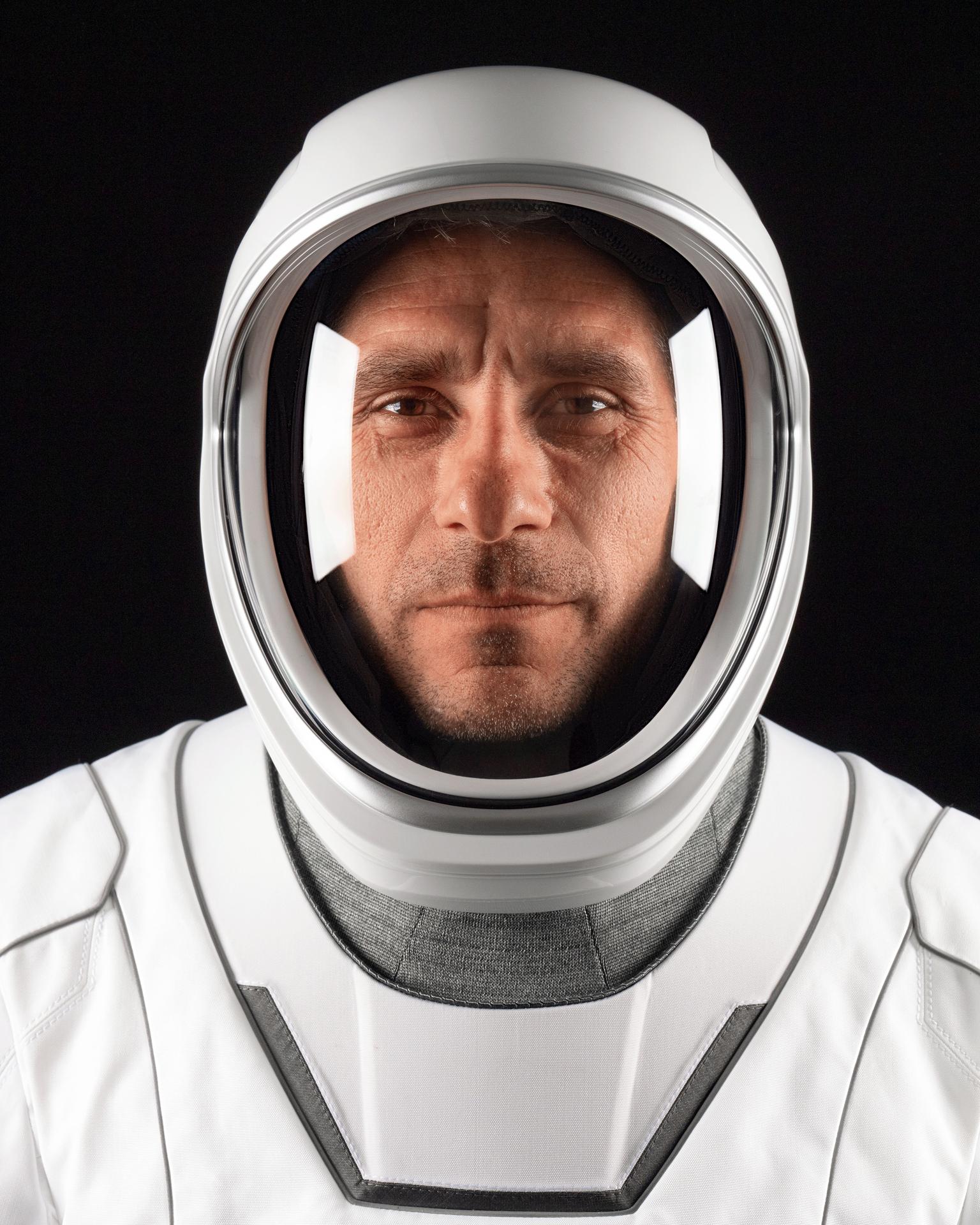
Roscosmos cosmonaut Sergey Teteryatnikov, mission specialist of NASA’s SpaceX Crew-13 mission to the International Space Station, poses for a portrait in his pressure suit at SpaceX headquarters in Hawthorne, California.
SpaceX

This mission will be Teteryatnikov’s first trip to the orbiting laboratory. He graduated from the Naval Academy, St. Petersburg, Russia, in 2011 as an engineer specializing in ship power plant operations. Before his selection as a test cosmonaut, Teteryatnikov served in various naval engineering roles, including undersea vessels and specialized engine room operations. He was selected for the Gagarin Research and Test Cosmonaut Training Center Cosmonaut Corps in 2021 and has served as a test cosmonaut since 2023.

Mission Overview

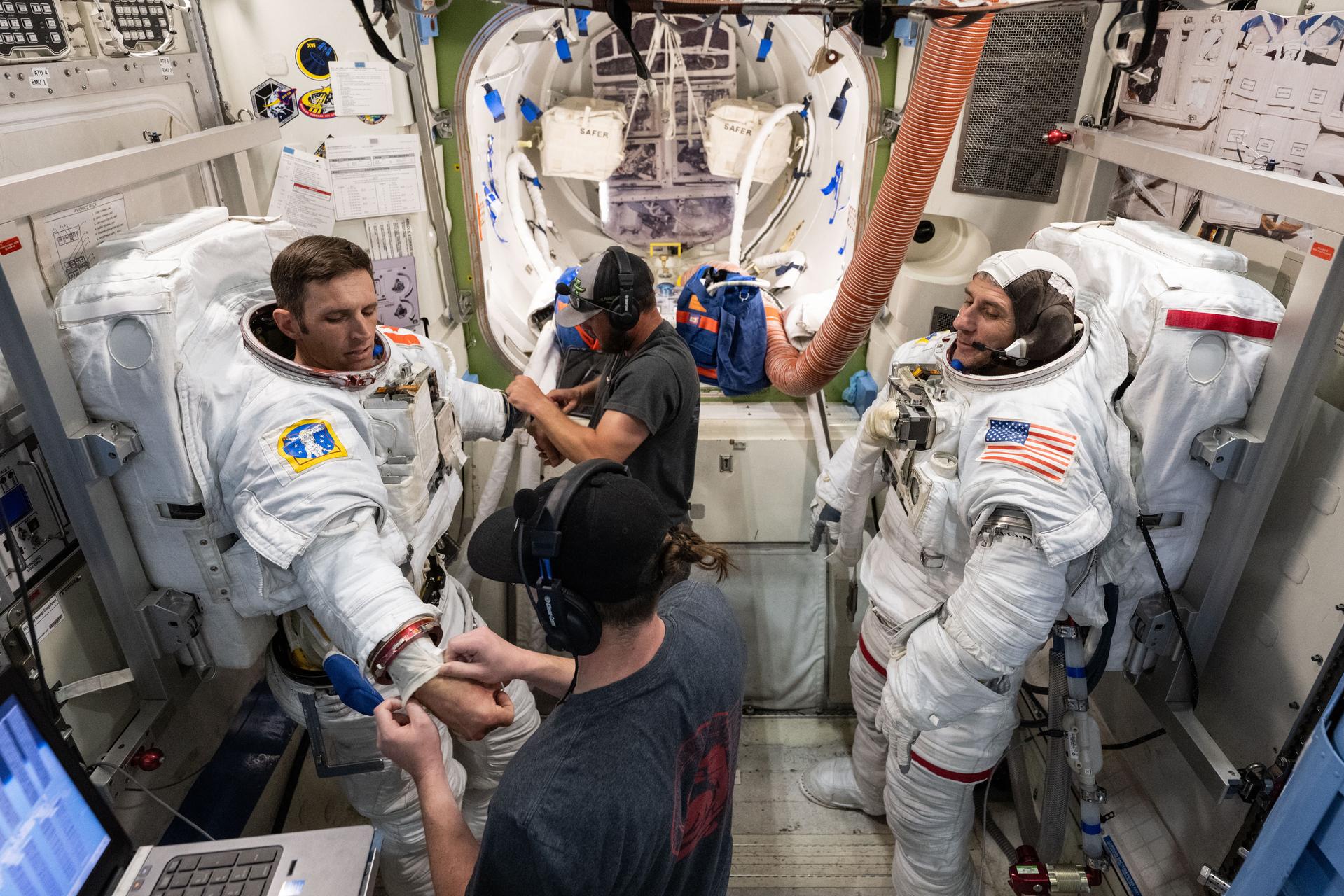
CSA (Canadian Space Agency) astronaut Josh Kutryk (left) and NASA astronaut Luke Delaney (right), with assistance from training specialists, practice suiting up in spacesuits in an International Space Station airlock simulator at Johnson Space Center’s (JSC) Space Vehicle Mockup Facility in Houston, Texas. Astronauts familiarize themselves with spacesuit systems and procedures and practice Quest airlock operations before conducting spacewalk training at JSC’s Neutral Buoyancy Laboratory in simulated microgravity.
NASA/Josh Valcarcel

Following liftoff, Falcon 9 will accelerate Dragon to approximately 17,500 mph. Once in orbit, the crew, along with NASA and SpaceX mission control, will monitor a series of maneuvers guiding Dragon to the forward-facing port of the station’s Harmony module. The spacecraft is designed to dock autonomously, but the crew can take manual control if necessary.

After docking, Crew-13 will be welcomed aboard the station by the seven-member Expedition 75 crew, including NASA astronauts Jessica Meir, Anil Menon, and Jack Hathaway, ESA (European Space Agency) astronaut Sophie Adenot, and Roscosmos cosmonauts Pyotr Dubrov, Andrey Fedyaev, and Anna Kikina. After a short handover period, the crew will bid farewell to the Dragon spacecraft carrying NASA’s SpaceX Crew-12 crew of Meir, Hathaway, Adenot, and Fedyaev.

While aboard the orbiting laboratory, Crew-13 will welcome NASA’s SpaceX’s 35th commercial resupply mission in the fall for station resupply and the delivery of International Space Station Roll-Out Solar Arrays. The crew also will welcome NASA’s Northrop Grumman Commercial Resupply Services-25 mission later this year.

For more than 25 years, people have lived and worked continuously aboard the International Space Station, advancing scientific knowledge and making research breakthroughs not possible on Earth. The space station helps NASA understand and overcome the challenges of human spaceflight, expand commercial opportunities in low Earth orbit, and build on the foundation for long-duration missions to the Moon, as part of the Artemis program, and to Mars.

Learn more about the space station, its research, and crew, at:

https://www.nasa.gov/station

Source: www.nasa.gov
Meet NASA’s Artemis II Crew During Houston Public Event

Artemis astronauts in Orion capsule
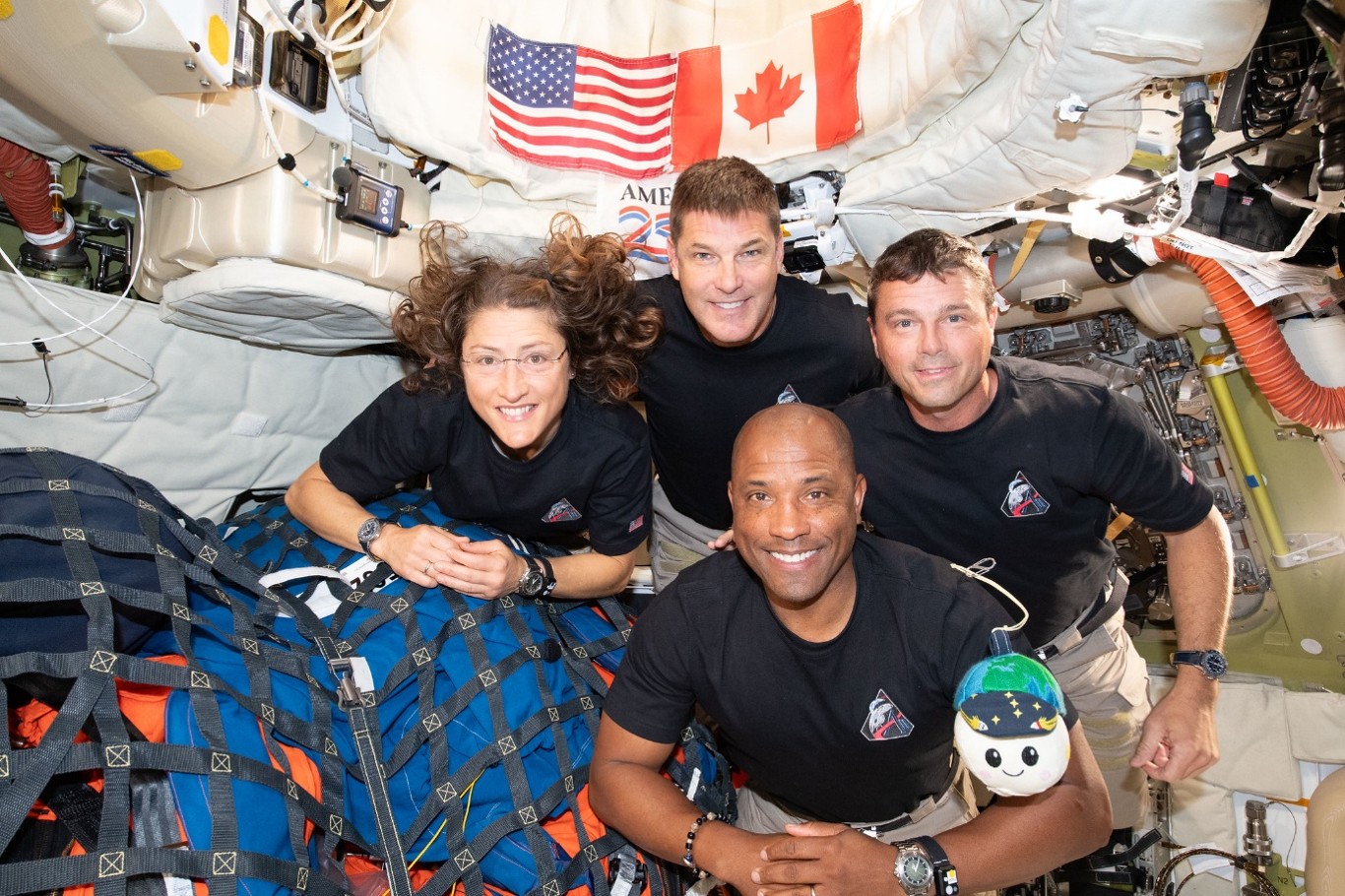
The Artemis II crew (clockwise from left) Mission Specialist Christina Koch, Mission Specialist Jeremy Hansen, Commander Reid Wiseman, and Pilot Victor Glover pause for a group photo with their zero gravity indicator “Rise,” inside the Orion spacecraft during their nearly 10-day mission around the Moon and back. Credit: NASA

Editor’s Note: This advisory was updated on Sept. 28, 2026, with ticketing information for the public.

The four astronauts of NASA’s Artemis II mission will participate in an event hosted by industry and community partners at the University of Houston to discuss their mission around the Moon aboard the Orion spacecraft. It will be the first event in Houston for the public following their lunar mission earlier this year and marks the conclusion of their post-flight campaign.

Astronauts Reid Wiseman, Victor Glover, and Christina Koch of NASA and CSA (Canadian Space Agency) astronaut Jeremy Hansen will share highlights from their mission at 7 p.m. CDT Wednesday, Sept. 30, during the free, public event at University of Houston’s Fertitta Center. Additionally, the National Aeronautic Association will recognize the crew for surpassing the record for human spaceflight’s farthest distance traveled, previously set by the Apollo 13 mission in 1970.

Media are invited to attend a brief question and answer session with the Artemis II crew at 5:45 p.m. prior to the public presentation. Media interested in attending must RSVP no later than 12 p.m. on Sept. 30 to Kenna Pell at: [email protected].  

A limited number of tickets to attend the event at no charge are available to the public online. Media are not required to secure a ticket before RSVPing to the event.

NASA’s historic Artemis II mission launched April 1 and splashed down in the Pacific Ocean on April 10. The crew members were the first astronauts to launch on the agency’s SLS (Space Launch System) rocket, flying aboard NASA’s Orion spacecraft. During their record-setting mission, the astronauts traveled 252,756 miles from Earth, farther than any humans have traveled before.

As part of the Golden Age of innovation and exploration, NASA will send Artemis astronauts on increasingly difficult missions to explore more of the Moon for scientific discovery, economic benefits, establish an enduring human presence on the lunar surface, and to build on our foundation for the first crewed missions to Mars.

Learn more about the Artemis program at:

                                         https://www.nasa.gov/artemis
                                                                -end-
 

Kenna Pell
Johnson Space Center, Houston
281-483-5111
[email protected]

Source: www.nasa.gov

NASA Celebrates as Artemis Accords Surpasses 75 Signatories 

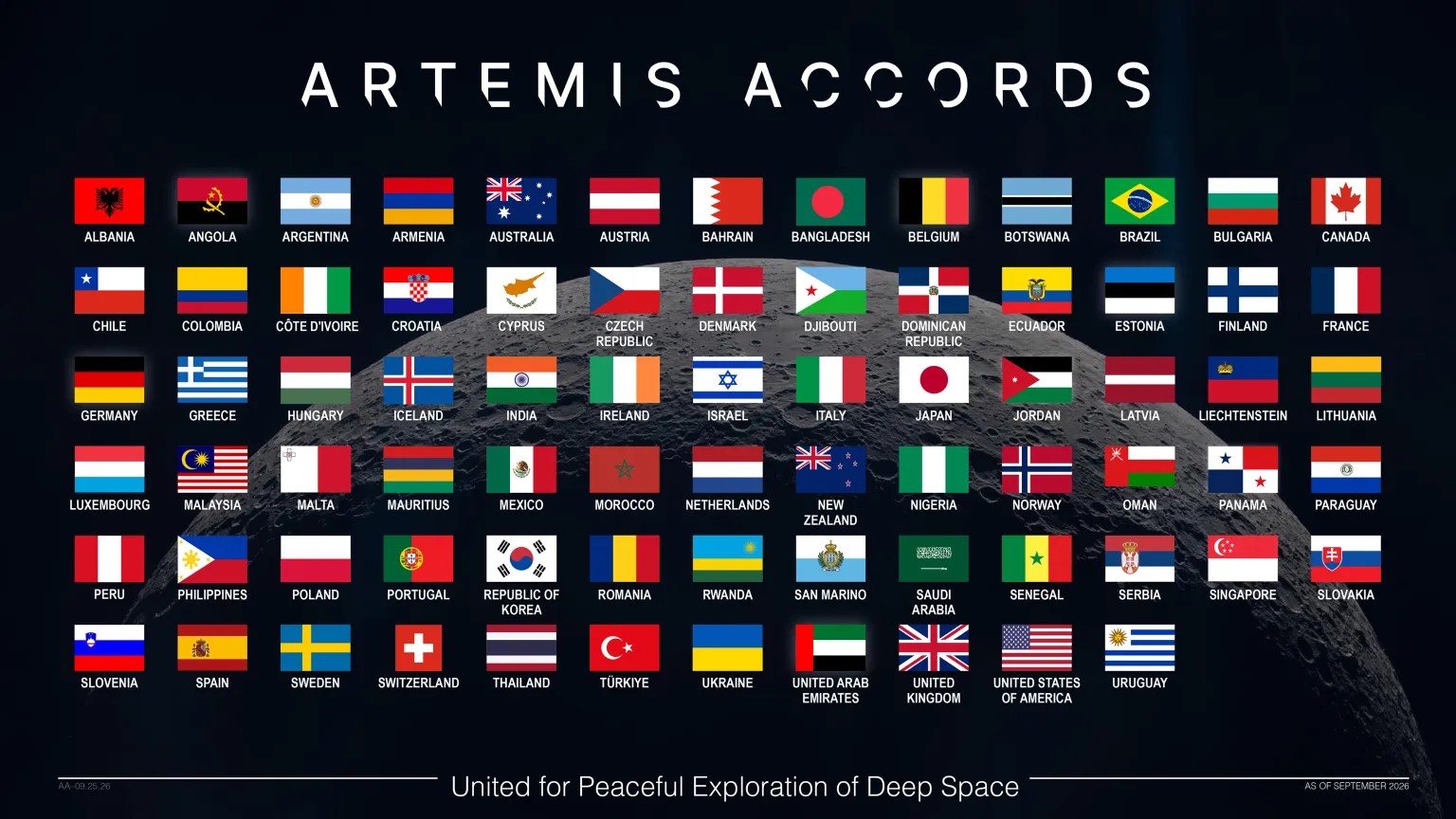
Graphic of 76 Flags from Artemis Accords Signatory Countries
Credit: NASA

Marking a significant expansion in the number of signatories to the Artemis Accords, NASA welcomed Albania, Croatia, Côte d’Ivoire, and San Marino, bringing total participation to 76 countries. 

“Our momentum reflects a growing commitment to peaceful, responsible exploration and a shared understanding that the future in space will be shaped by those willing to lead,” said NASA Administrator Jared Isaacman. “Nearly one-third of all signatories have joined since the start of President Trump’s second term. As the President directs NASA to return Americans to the lunar surface and lay the groundwork for Mars, we are strengthening a coalition of partners who share our values and are ready to help shape the future of exploration.”

The recent surge in growth reflects one of the most rapid expansions of international cooperation in civil space history. Nearly 40% of the world’s nations are now collaborating with NASA to build a transparent, peaceful, responsible, and safe approach to space exploration. Nearly two-thirds of countries that signed the foundational 1967 Outer Space Treaty also have signed the Artemis Accords.  

What began as an informal coalition of a small group of countries has developed into a large, structured community guided by the Signatories Group Method of Operations, adopted in 2024. Under this framework, the group meets twice annually, once at a technical workshop and once at a Principals’ Meeting during the International Astronautical Congress (IAC). Virtual sessions are added throughout the year to support implementation. 

As a result, participating countries have advanced agreed-upon recommendations on noninterference, interoperability, scientific data sharing, and registration practices. 

Two major workshops this year further strengthened technical alignment. Signatories reviewed their planned lunar landings and orbital missions and took part in hands‑on sessions focused on open science and practical tools for sharing lunar data. Experts from dozens of countries worked through real-world examples of how to make mission information easier to find, use, and share, from releasing lunar science data to adopting common standards that reduce interference between missions.  

This year’s Artemis Accords Principals’ Meeting at IAC in Antalya, Türkiye, beginning Monday, Oct. 5, will be co-chaired by NASA Deputy Administrator Matt Anderson and Major General Roberto Melgar Sheen, director of the Peruvian Space Agency (CONIDA). The meeting will examine ways to support emerging space nations and disseminate lunar debris‑mitigation recommendations. 

NASA continues to put the principles of the Artemis Accords into practice. With the creation of the Moon Base, NASA has invited every Artemis Accords signatory to participate in our return to the Moon through scientific payloads, technology demonstrations, CubeSats, and other capabilities. 

The United States, led by NASA and the U.S. Department of State, and seven other nations launched the Artemis Accords in 2020 to guide growing global interest in lunar activity. The accords established the first set of practical principles to enhance safety and coordination as nations explore the Moon, Mars, and beyond. Signatories commit to: 

  • Explore peaceably and transparently 
  • Render aid to those in need 
  • Enable access to scientific data 
  • Ensure activities do not interfere with others 
  • Preserve historically significant sites and artifacts by developing best practices 

More nations are expected to join the Artemis Accords in the months and years ahead as NASA continues working with partners worldwide to secure a safe, peaceful, and prosperous future in space. 

Learn more about the Artemis Accords at: 

https://www.nasa.gov/artemis-accords

-end-

Camille Gallo / Elizabeth Shaw  
Headquarters, Washington  
202-358-1600  
[email protected] / [email protected]  

Details

Last Updated

Sep 28, 2026

Editor
Jennifer M. Dooren

Source: www.nasa.gov

NASA Armstrong Celebrates 80 Years of Flight Innovation

On Sept. 30, 1946, five National Advisory Committee of Aeronautics (NACA) engineers arrived at Muroc Army Airfield in California’s high desert to achieve supersonic flight for the first time. In less than two years, NACA flew the X-1 aircraft faster than the speed of sound, marking an important milestone in aviation history.

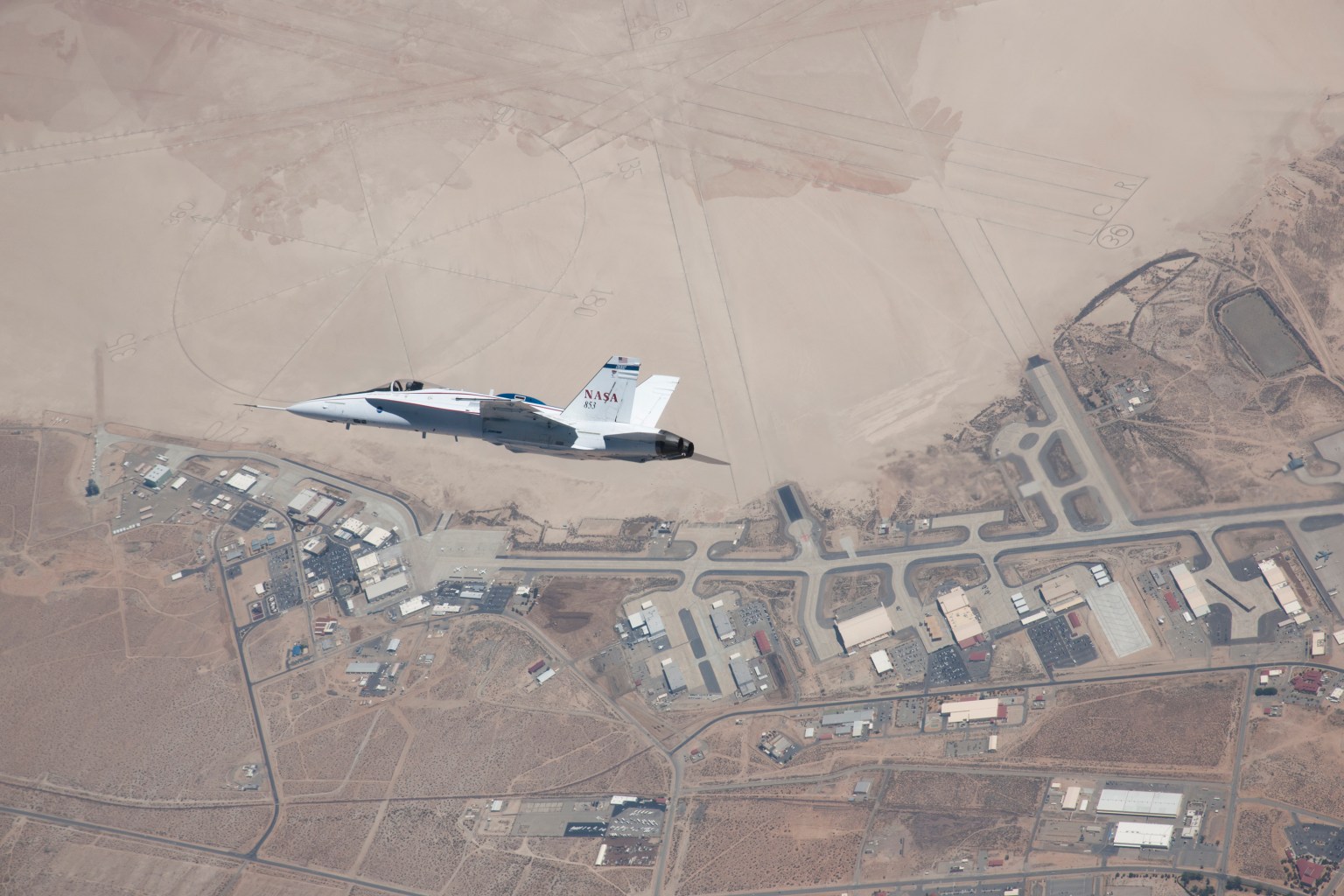
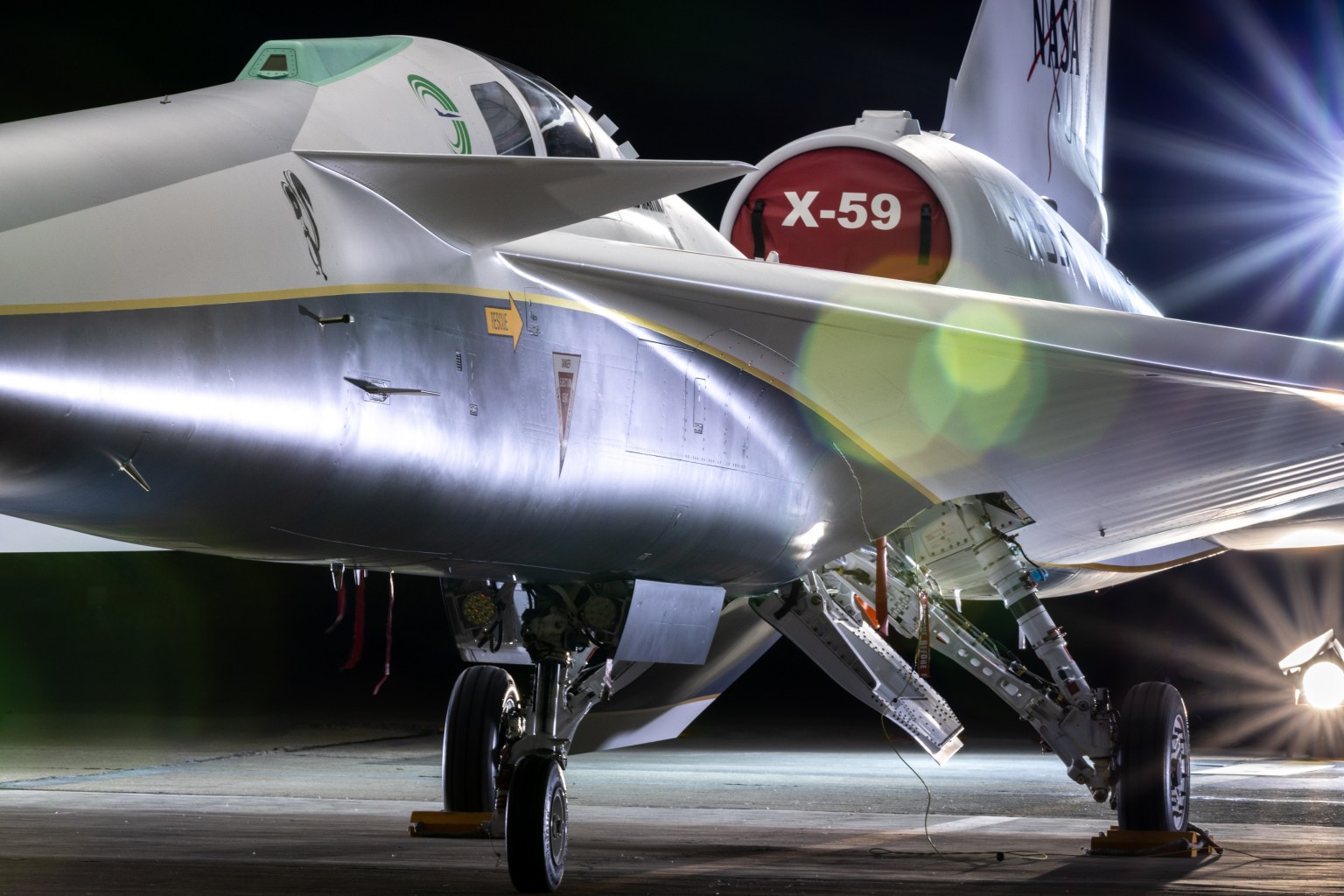
Fast forward 80 years, and that former NACA outpost is now NASA’s Armstrong Flight Research Center in Edwards, California, flying the X-59 supersonic X-plane in the same skies to demonstrate that supersonic flight doesn’t have to come with a boom.

Over Armstrong’s 80-year history, the center has supported milestone missions ranging from space shuttle landings to SR-71 flights, shaping the evolution of science, aeronautics, and space research.

This Southern California NASA center is poised to lead the next era of aeronautics and human spaceflight, advancing technologies that will define the future of flight.

Fast facts

  • NASA Administrator Jared Isaacman recently named Armstrong as the agency’s Center of Excellence for Flight Test and Aircraft Operations, recognizing the center’s unmatched rigor in executing unique missions only NASA can fly.
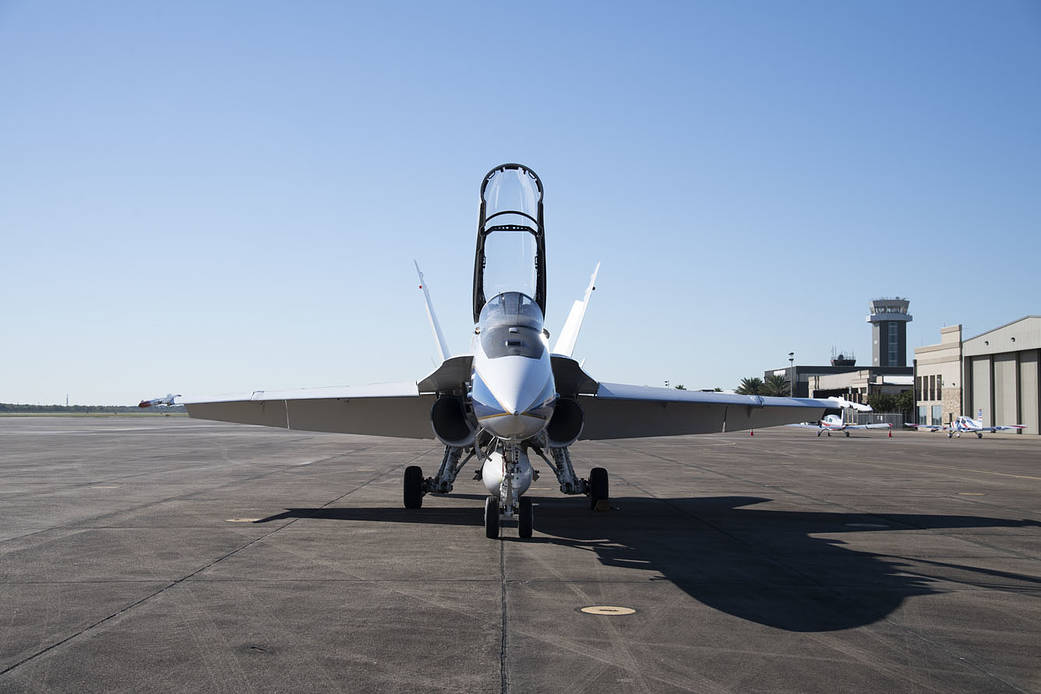
  • To support NASA’s Artemis missions and return to the Moon, Armstrong uses research aircraft such as a 737 for astronaut suit testing, the G-III for Artemis II heat-shield data collection, and an F/A-18 aircraft that tested the autopilot for the SLS (Space Launch System) rocket.
  • NASA’s aeronautics centerpiece, the X-59, is undergoing rigorous testing and a series of flights at Armstrong to prepare for upcoming quiet supersonic demonstrations over U.S. communities.
  • NASA Armstrong has transformed commercial and military aviation — from early supersonic flight research to digital fly-by-wire — and continues working with other government agencies, industry, and academia to make flying safer, more autonomous, and more efficient.
  • The center plays a vital role in global science by flying aircraft like the ER-2, C-20A, and Gulfstream G-III/IV/V to collect critical data on wildfires, glacier melt, pollution, minerals, and more.

Behind these achievements are the engineers, pilots, technicians, and mission support teams who continue to push the boundaries of what’s possible.

For more about NASA Armstrong, visit:

https://www.nasa.gov/armstrong

-end-

Dede Dinius / Teresa Whiting
Armstrong Flight Research Center, Edwards, California
661-276-3449
[email protected] / [email protected]

Source: www.nasa.gov

NASA, Boeing Share Update on Commercial Starliner Development Plans

Boeing's Starliner spacecraft that launched NASA's Crew Flight Test astronauts Butch Wilmore and Suni Williams to the International Space Station is pictured docked to the Harmony module's forward port. This long-duration photograph was taken on July 3, 2024, from the orbital complex as it soared 256 miles above the Arabian Sea off the coast of Mumbai, India.
Boeing’s Starliner spacecraft that launched NASA’s Crew Flight Test astronauts Butch Wilmore and Suni Williams to the International Space Station is pictured docked to the Harmony module’s forward port. This long-duration photograph was taken on July 3, 2024, from the orbital complex as it soared 256 miles above the Arabian Sea off the coast of Mumbai, India.
Credit: NASA

On Monday, NASA and Boeing provided an update on the company’s Starliner spacecraft, including adding additional crew missions and certifying a new rocket for crew transportation to low Earth orbit.

“We are living through the most exciting era of space exploration since Apollo,” said NASA Administrator Jared Isaacman. “As this domain continues to open, there will be growing demand for launch vehicles, transfer stages, landers, and, of course, spacecraft that carry astronauts. NASA has been committed to having multiple crew transportation options since the beginning of the Commercial Crew Program. We have worked closely with Boeing to address the issues identified on previous Starliner flights, and we intend to see this vehicle return to flight in support of the International Space Station and future commercial destinations.”

The agency intends to exercise options for a fifth and sixth flight to and from the space station using Starliner, and will work with Boeing and United Launch Alliance to certify the Vulcan rocket for use after the Atlas V rocket’s final flight.

“We are starting with an uncrewed Starliner-1 mission to the International Space Station to validate the improvements made to the spacecraft and gather the flight data we need,” said Isaacman. “From there, we will use what we learn, continue implementing the corrective actions identified by our Program Investigation Team, and complete the testing and certification required for crewed flight. Our current plan is to return astronauts on Starliner-2 by 2028.”

NASA’s commercial crew efforts aim to preserve a U.S. crew transportation capability for ensuring continued access to space. The work is challenging, however, it is essential for responsibly concluding space station operations, transitioning to commercial space stations, and expanding commercial access.

In February, NASA released findings from the agency’s Program Investigation Team outlining the programmatic and technical issues resulting in an uncrewed return of the Starliner during its first crewed flight in 2024. In total, the investigation identified 61 recommendations to NASA to ensure that future missions meet the high standards required for human spaceflight.

The report specifically identified issues with Starliner’s service module reaction control thrusters operating outside of their engineering qualification, which resulted in the loss of control experienced during its Crew Flight Test. Through significant ground testing and analysis, NASA and Boeing learned the service module thruster performance issues resulted from a combination of factors, including the thermal environment and features inherent in its design.

Based on the findings, Boeing has made thermal modifications to the spacecraft’s service module which NASA will evaluate for improved performance on Starliner-1. NASA and Boeing also have jointly decided to implement an additional thruster valve design modification in support of spacecraft certification and future crewed flights.

The uncrewed Starliner-1 has the potential to fly in December of this year or January 2027. It will serve as an engineering evaluation mission to verify improved thermal environments, obtain necessary performance data for system qualification, and identify residual risk ahead of crewed missions.

“Starliner’s next flight is a critical step on the path to achieving full system certification and ensuring a sustained human presence in low Earth orbit,” said Dana Weigel, manager of NASA’s Low Earth Orbit Program. “With the safety of our space station crew and the public as our highest priority, we will test Starliner’s propulsion system through targeted demonstration objectives and disciplined operational controls. These steps are essential to validating Starliner’s thermal performance which is a key element for the certification.”

Following the flight, NASA and Boeing will complete the service module thruster valve design modification, which is focused on addressing poppet seal extrusion and its adverse effects on thruster performance. Boeing also will implement other improvements across the spacecraft including installation of new crew module thrusters, batteries, and minor modifications to the parachute system for increased performance and reliability in support of system certification.

To learn more about NASA’s missions, visit:

https://www.nasa.gov

-end-

George Alderman / Josh Finch
Headquarters, Washington
202-358-1600
[email protected] / [email protected]

Details

Last Updated

Sep 28, 2026

Source: www.nasa.gov

NASA Highlights Lessons Learned From Swift Boost Mission

6 min read

NASA Highlights Lessons Learned From Swift Boost Mission

A commercial mission to boost NASA’s Neil Gehrels Swift Observatory concluded without raising the spacecraft’s orbit, but the agency and industry vendor Katalyst Space have gained valuable experience that will benefit future in-space servicing programs.

“From the beginning, this was a high-risk, high-reward mission,” said Shawn Domagal-Goldman, Astrophysics Division director at NASA Headquarters in Washington. “Without intervention, Swift was going to re-enter the atmosphere by year’s end. And while we’ll be sad to see Swift’s mission come to a close, we knew this boost effort would be valuable to the agency on multiple levels — advancing U.S. spacecraft servicing technology, challenging us to meet unprecedented mission timelines, and testing how we operate satellites to extend their time in low Earth orbit. We’re very proud of how quickly this team got so far, and we’re capturing lessons learned to ensure we’re ready to go even farther.”

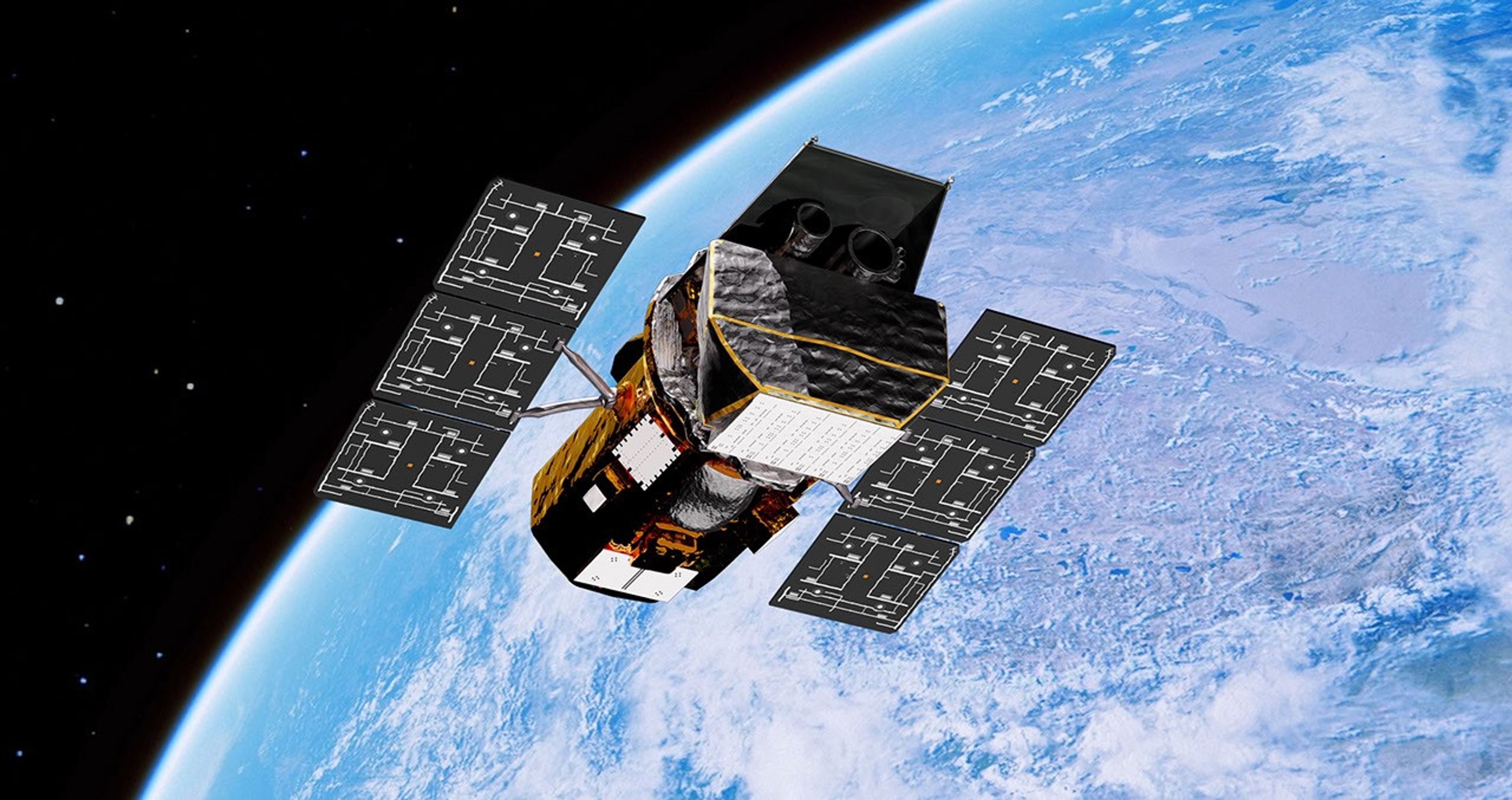
Artist’s concept of Swift in orbit above Earth
NASA’s Neil Gehrels Swift Observatory orbits above Earth in this artist’s concept.
NASA’s Goddard Space Flight Center Conceptual Image Lab

Swift, which launched in November 2004, was designed to study gamma-ray bursts, the most powerful explosions in the cosmos.

Over the last two decades, the observatory has revolutionized our understanding of how the universe works, from studying comets and asteroids in our own solar system and various types of cosmic explosions to flares from black holes in distant galaxies.

All spacecraft in low Earth orbit experience drag from our planet’s atmosphere. If they don’t have propulsion systems, this drag gradually reduces their altitudes. A period of increased solar activity magnified this effect on Swift.

After deciding to investigate the potential for a boost attempt, NASA had only a few months to issue a call for proposals through its Center of Excellence for Collaborative Engineering and fund design concept studies through the agency’s Small Business Innovation Research program.

In September 2025, NASA contracted Katalyst, based in Flagstaff, Arizona, to attempt the mission. The company had around one year to design, build, test, and launch a satellite that would then meet, grab, and lift Swift.

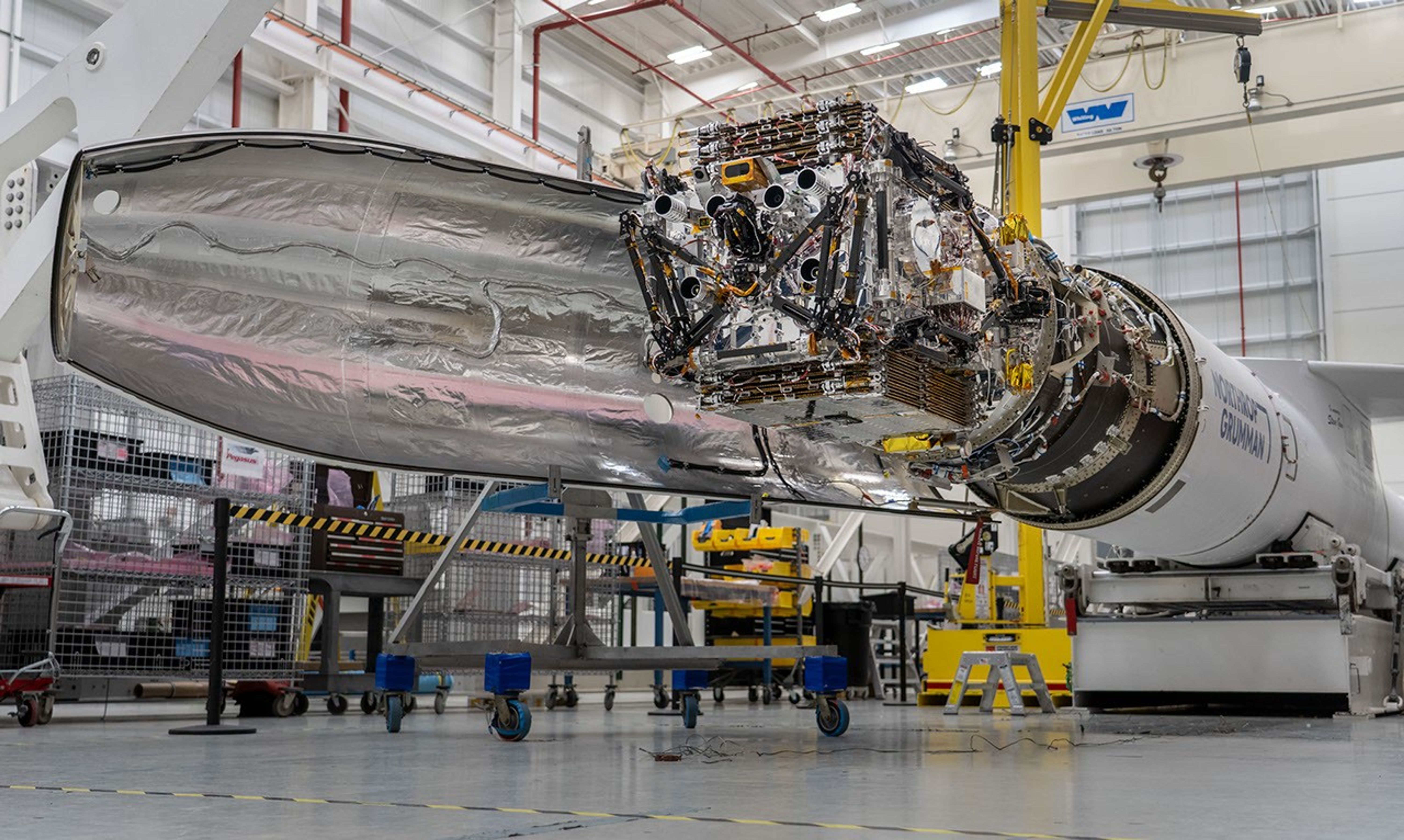
LINK attached to the front of the Pegasus XL
Katalyst Space’s LINK robotic servicing spacecraft awaits encapsulation inside a Northrop Grumman Pegasus XL rocket on June 8, 2026, at NASA’s Wallops Flight Facility in Virginia.
NASA/Ron Beard

The LINK spacecraft took off from Kwajalein Atoll in the Republic of the Marshall Islands in July aboard a Northrop Grumman Pegasus XL rocket. Katalyst selected the Pegasus as the best launch option for reaching the observatory on the mission’s condensed timeline, based on the mission’s orbital and programmatic needs.

After successfully reaching space and performing initial spacecraft checkouts, LINK began experiencing intermittent communications losses and developed issues with its orientation control.

Following a period of around-the-clock troubleshooting from both teams, NASA and Katalyst agreed to scale back the mission. LINK would no longer attempt to grab or boost Swift but instead attempt to perform a series of technology demonstrations that would advance the capabilities of the U.S. commercial servicing industry.

These included exercising the spacecraft’s xenon-powered propulsion system and three robotic arms, which were designed to provide flexibility regarding where LINK could safely grapple Swift. NASA formally concluded the agency’s involvement in LINK’s mission on Sept. 3. The spacecraft re-entered the atmosphere on Sept. 25.

“LINK was built to take on a problem that did not have an easy solution,” said Ghonhee Lee, CEO of Katalyst Space. “This was an ambitious mission on an aggressive timeline. While we did not accomplish every objective we set out to achieve, in less than a year we went from mission concept to launching and operating the first commercial space robot. This is a foundation we can build on.”

LINK image of Swift, which is a bright streak against black of space
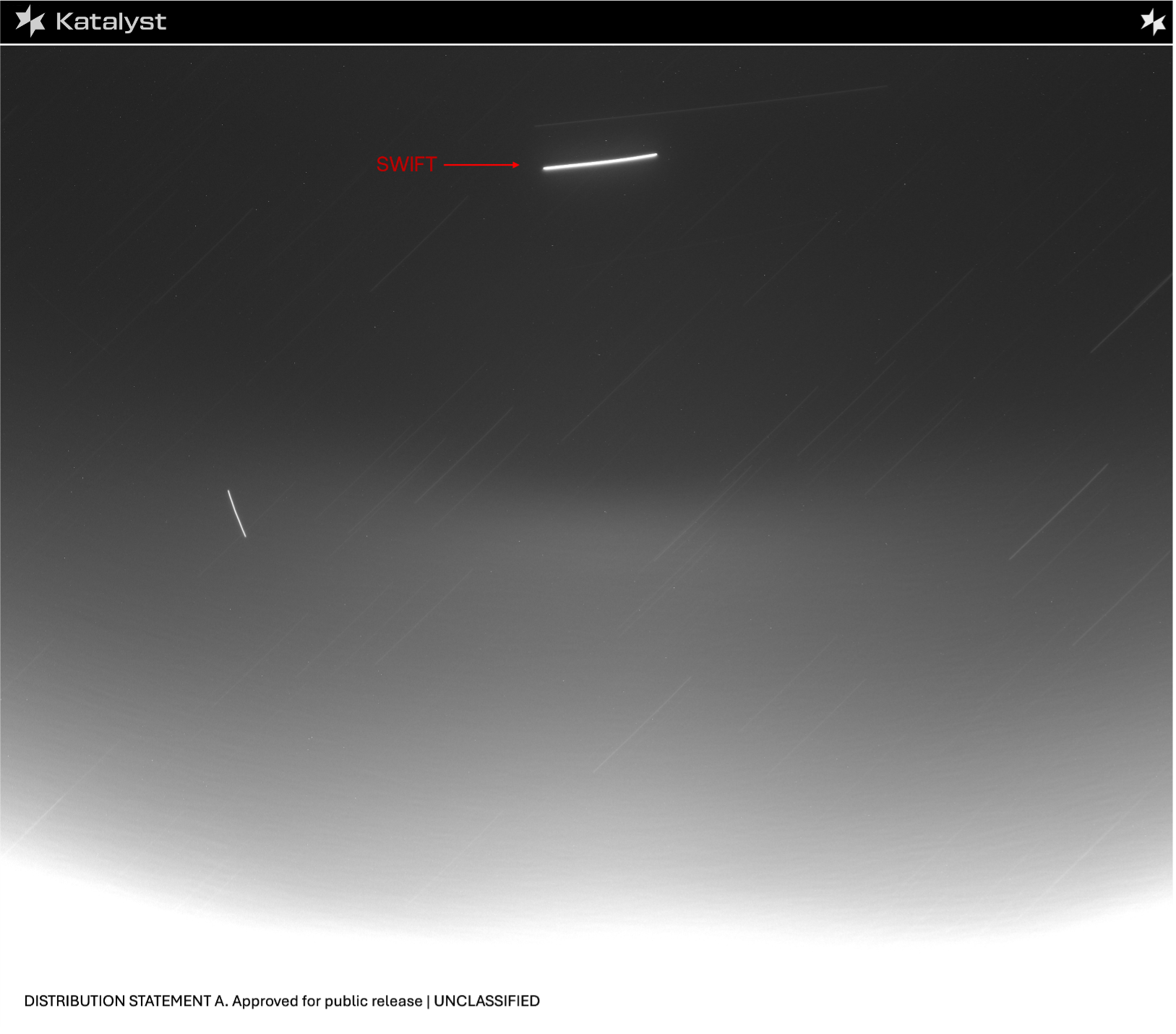
NASA’s Neil Gehrels Swift Observatory is seen as a streak in this image captured by Katalyst Space’s LINK spacecraft as it passed between 7.5 and 9 miles (12 to 15 kilometers) of Swift
Katalyst Space

Science missions like Swift take years to develop and then operate in orbit for decades. For the Swift boost, however, the most important factor was the timeline. All decision-making and risk acceptance hinged on predictions showing the observatory sinking to the point of no return — an altitude of around 185 miles (300 kilometers) — in fall 2026. As such, the boost mission required a new form of agile project management for NASA.

Swift team members in SSMO (Space Science Mission Operations) at NASA’s Goddard Space Flight Center in Greenbelt, Maryland, worked with Katalyst to develop milestones and approval processes that gave the mission the best chance of success while being flexible enough to move quickly toward launch.

Both groups received valuable input and feedback from NASA’s Engineering and Safety Center when tackling questions and issues that arose during integration and testing.

“Katalyst was committed to leveraging NASA’s deep experience to give themselves the best possible chance of successfully achieving the unprecedented challenge we gave them,” said Russell Carpenter, project manager in SSMO at NASA Goddard “Missions like these, where public-private teams work tenaciously to overcome obstacles, are an inspiration to the world, reminding us that striving for the near impossible brings out what is exceptional in all of us.”

People in clean suits work on a spacecraft in a large chamber.
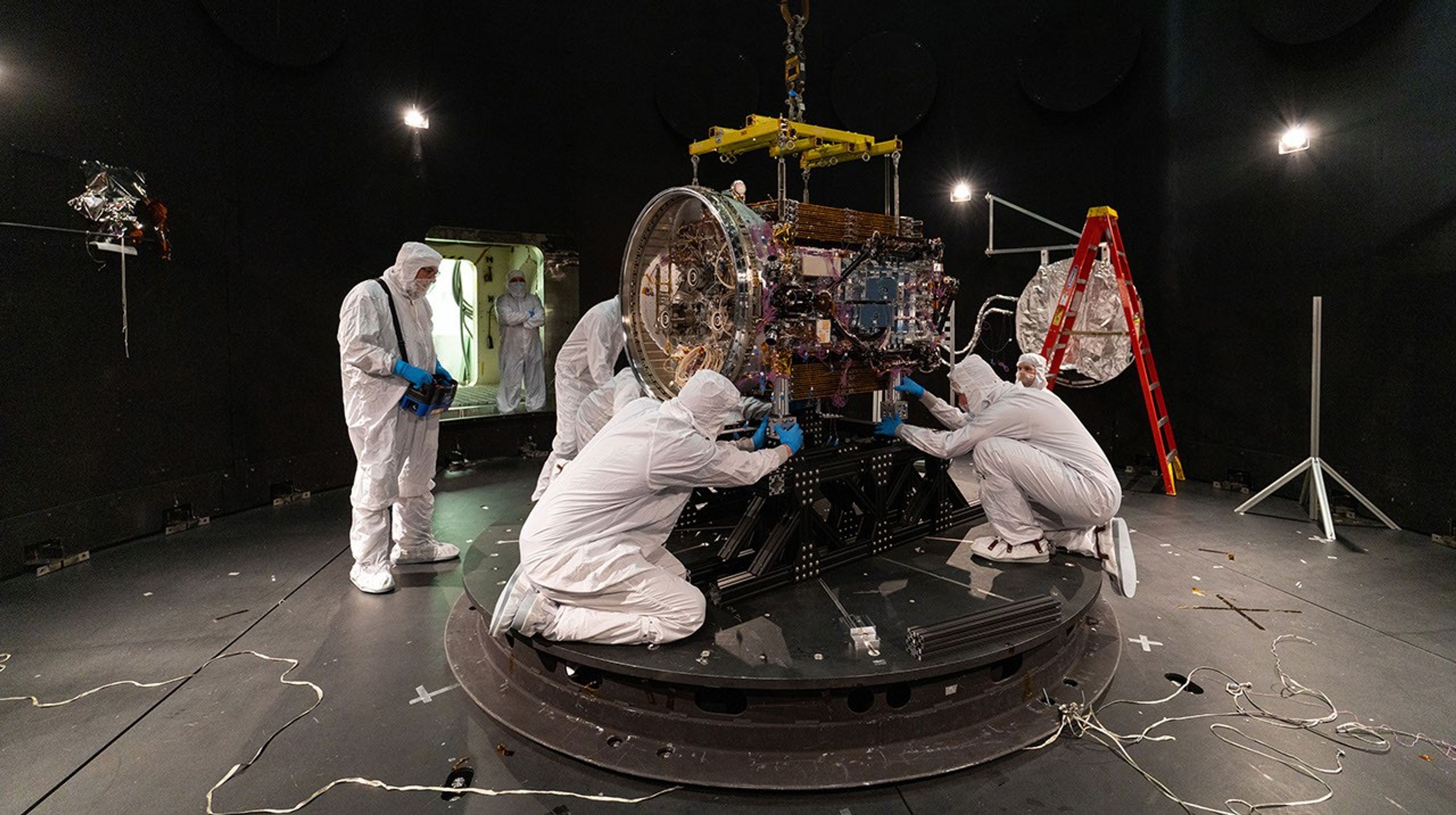
Katalyst engineers attach LINK to a baseplate inside the Space Environment Simulator at NASA’s Goddard Space Flight Center in Greenbelt, Md., on April 28, 2026. Once all the air was pumped out of the 27-foot-diameter chamber, the team practiced firing the satellite’s ion thrusters and operated one of the robotic arms while they cycled through space-like hot and cold temperatures.
NASA/Sophia Roberts

While teams at NASA and Katalyst were racing to get LINK ready on the ground, flight controllers in Swift’s Mission Operations Center, located at Penn State in University Park in Pennsylvania, were trying to keep Swift above the critical altitude for as long as possible. Below it, any boost attempt would become increasingly difficult.

During normal operations, the Penn State team sends a plan to Swift that tells the observatory which cosmic objects and events to observe each day.

In December 2025, however, the controllers started swapping around 25% of these science targets for points on the sky that would minimize drag when Swift was trained on them. By February, the team had switched over to this approach entirely.

“Even though Swift was not executing pointed science observations from mid-February to late August, we nonetheless continued Penn State’s history of innovative space research and operations, pioneering new methods to minimize drag experienced by the spacecraft,” said John Nousek, the mission director and professor of astronomy and astrophysics in the university’s Eberly College of Science. “These changes bought valuable time for the boost mission and can be carried forward for future NASA missions.”

The team also couldn’t point too close to Earth, the Moon, or the Sun, since the brightness of all three could overheat and damage the observatory’s instruments. Pointing Swift in the most streamlined position also tilted it too close to the atmosphere, where particles could collide with the telescopes and affect future observations. The team struck a balance that managed to maintain Swift’s altitude above the critical threshold for several months.

“We’re grateful to all our collaborators for the incredible amount of time and dedication they’ve put into the boost mission,” said S. Bradley Cenko, Swift’s principal investigator at NASA Goddard. “When Neil Gehrels, Swift’s namesake, designed the observatory, nothing like it had ever launched. He would have celebrated that this boost effort was part of Swift’s legacy, that it allowed NASA to try something new and daring even though the outcome wasn’t guaranteed. That’s how we explore the universe — as a team, learning from each other, constantly pushing forward.”

About the Author

Jeanette Kazmierczak

Jeanette Kazmierczak

Science writer

Jeanette Kazmierczak is a science writer at the University of Maryland, College Park and NASA’s Goddard Space Flight Center in Greenbelt, Maryland, where she covers missions and research in the Astrophysics Science Division.

Source: science.nasa.gov